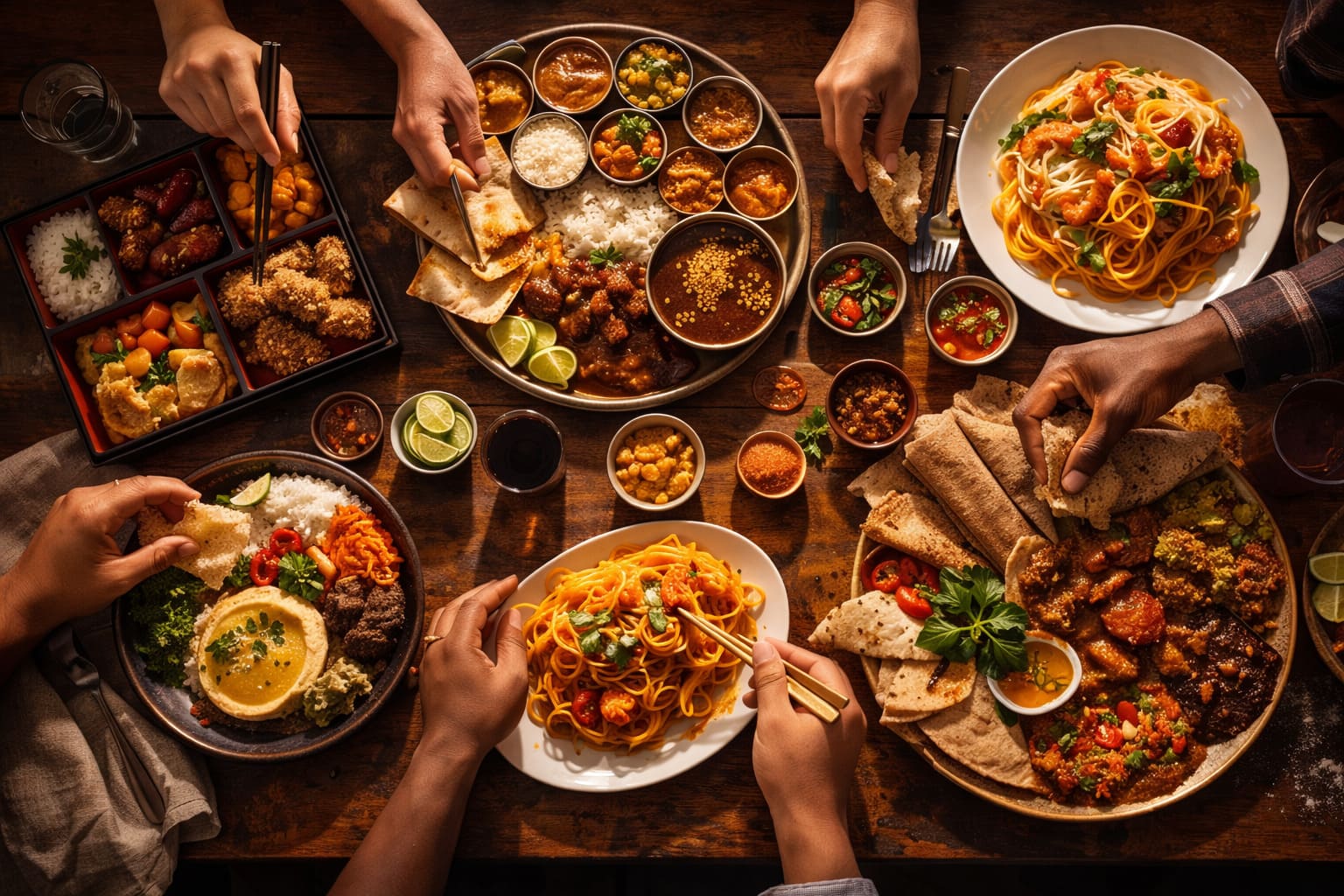
Cross-Cultural
How Food Shaped Cultural Identity, Dish by Dish
Nations did not simply inherit their national dishes. Cookbooks, UNESCO files, government loans and a protest in Rome helped build them, and the record shows how.
6 min read
Food as who we are: national dishes, contested origins and the recipes that communities hold onto. Why a plate of food can carry so much meaning.
18 stories · All stories
Nations did not simply inherit their national dishes. Cookbooks, UNESCO files, government loans and a protest in Rome helped build them, and the record shows how.
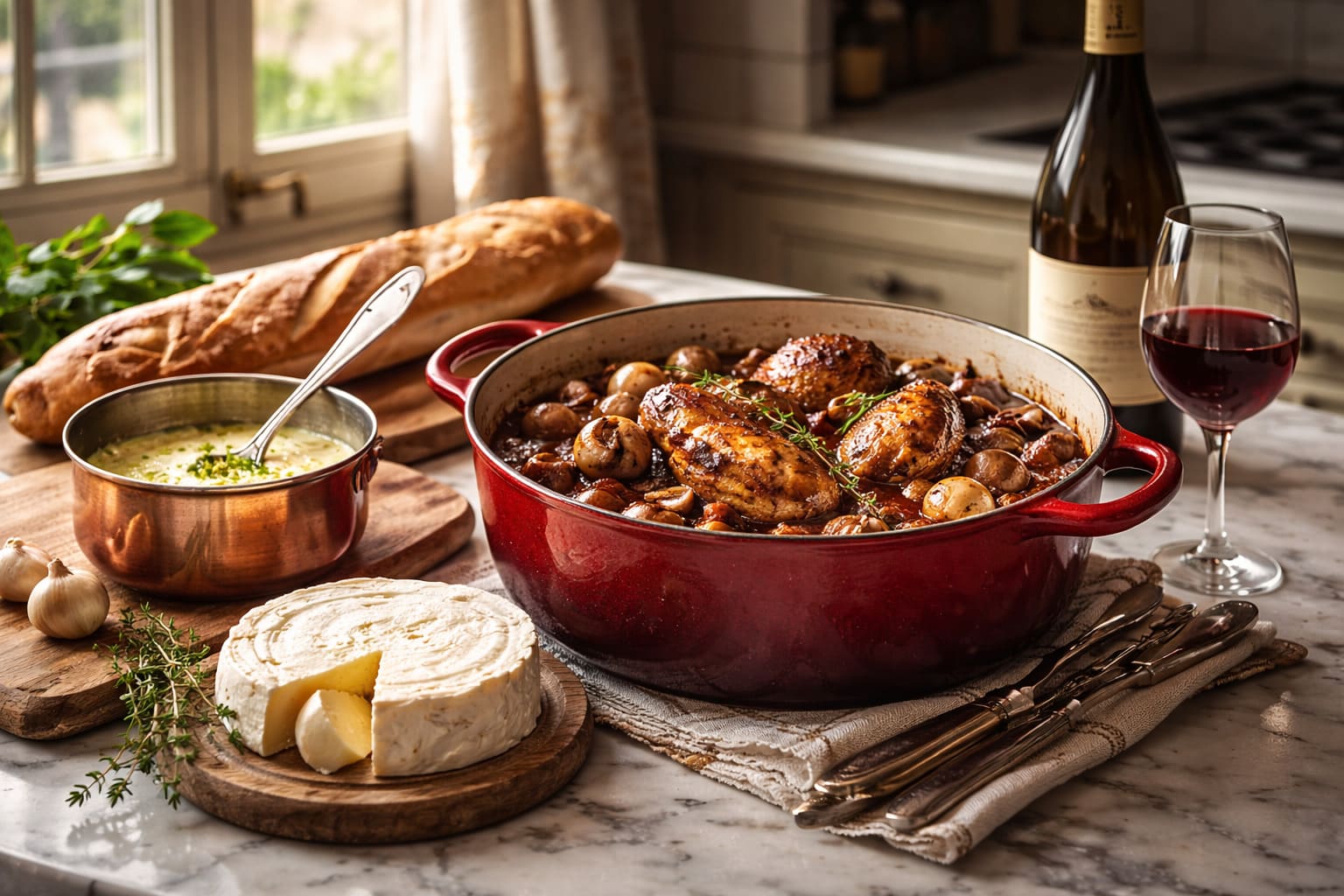
French cooking did not rise on Italian help alone. The record shows a printed system from 1651, restaurants before the Revolution, and two chefs who wrote the rules.
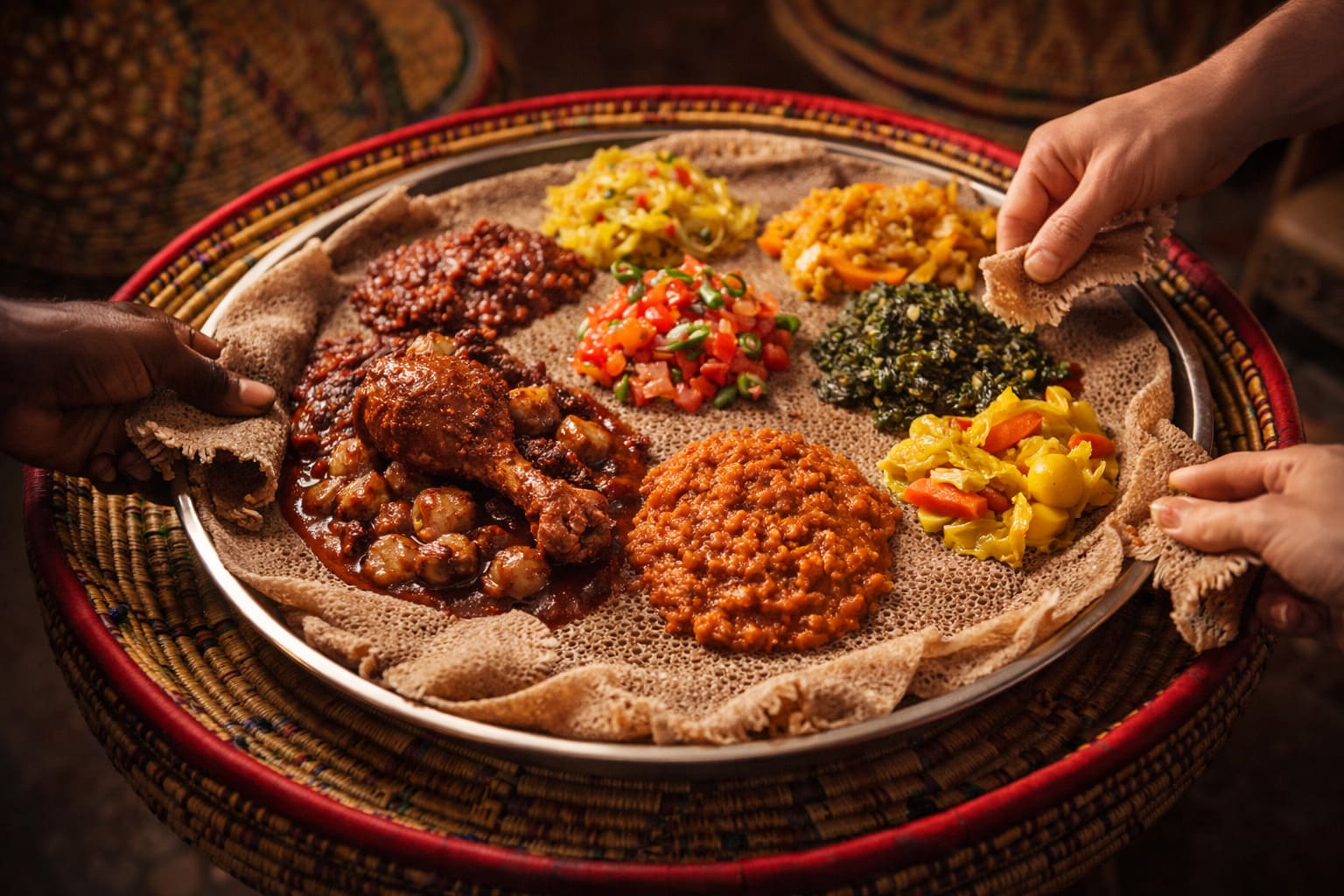
Nobody knows when the first injera was cooked, but the grain behind it was farmed in the Ethiopian and Eritrean highlands by about 1600 BCE. Here is what the evidence shows.
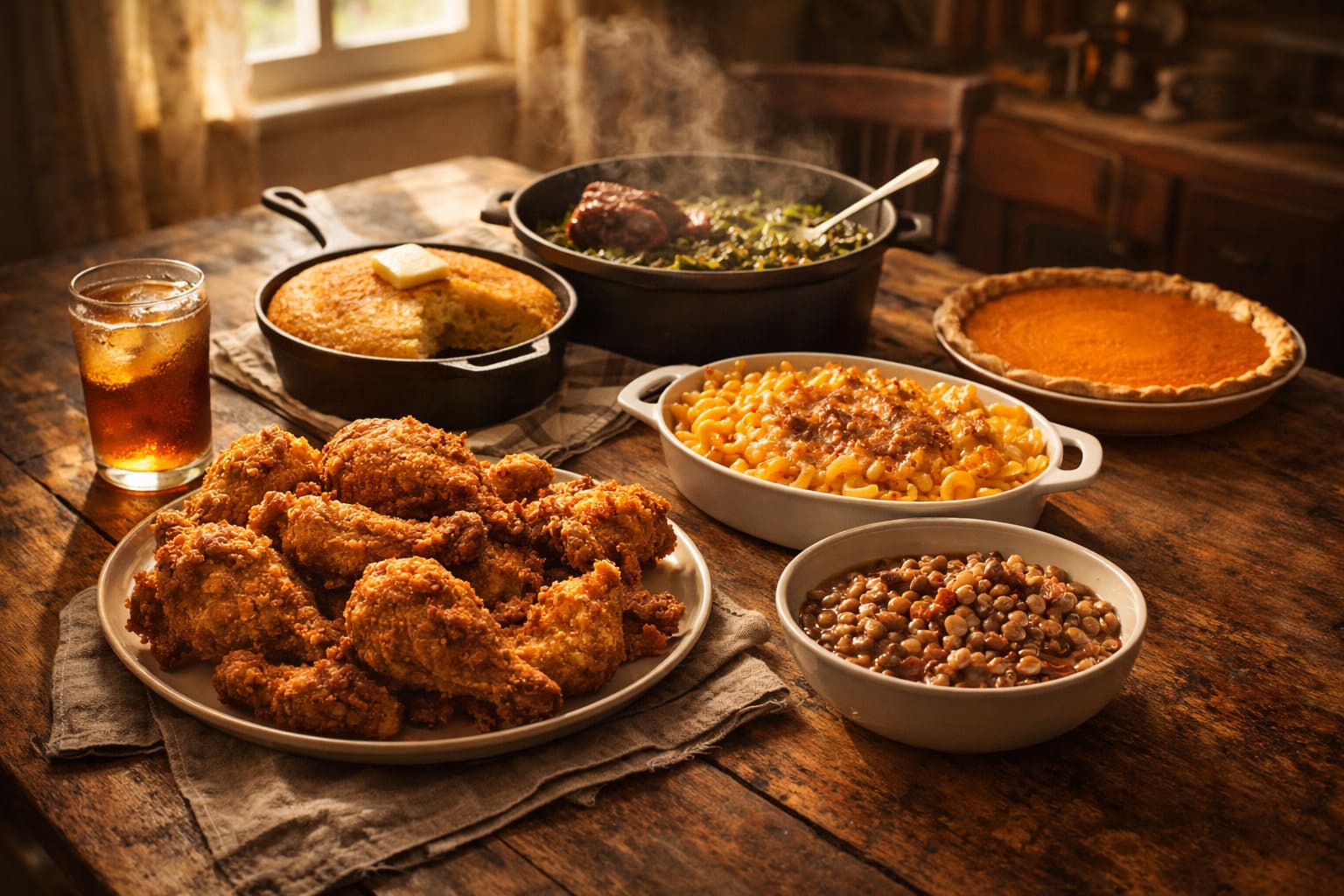
Soul food grew from the foods and skills of enslaved Africans in the American South. The name only caught on in the 1960s, and people argued about it from the start.
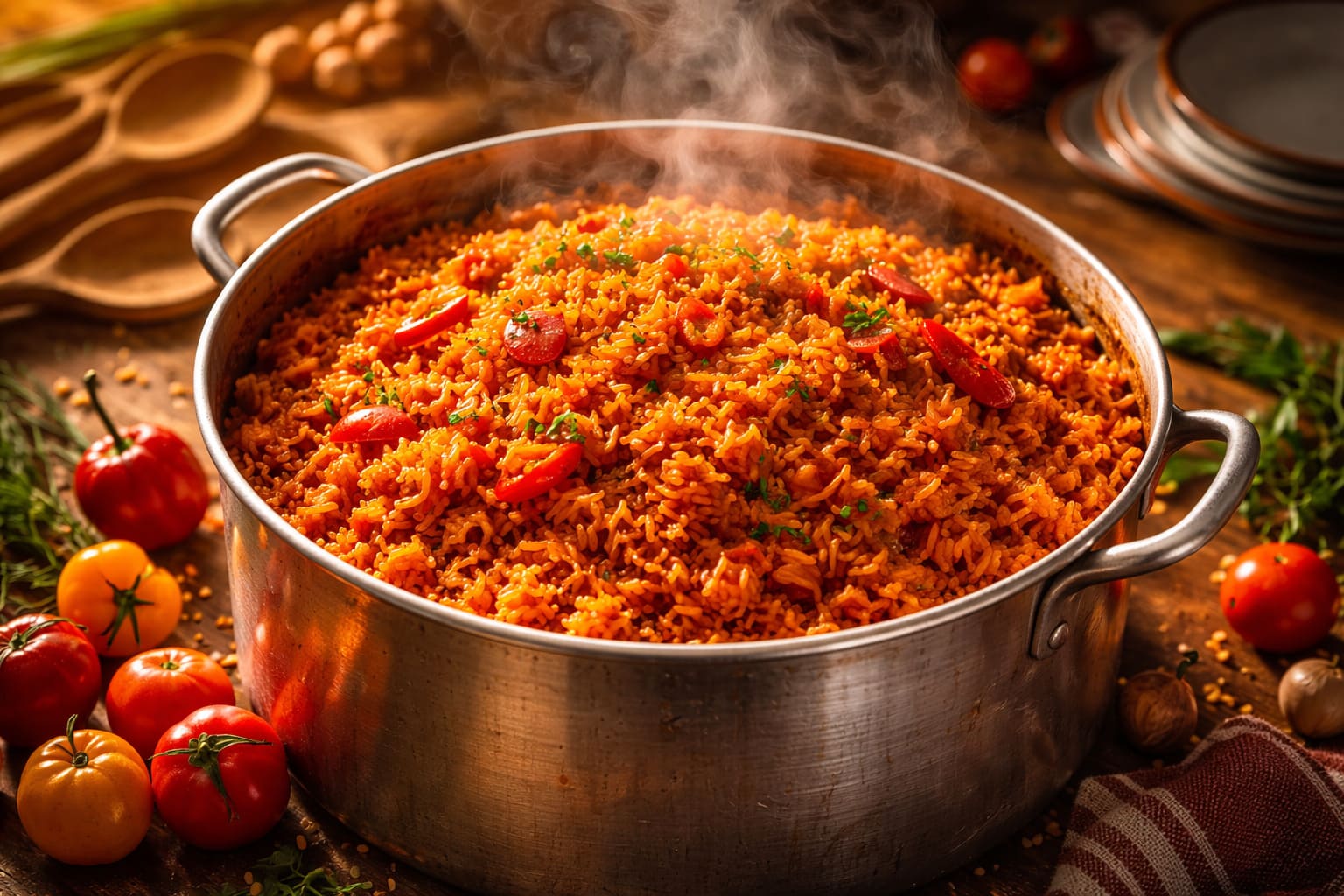
Jollof rice traces back to ceebu jen, a fish and broken rice dish from Saint-Louis, Senegal. Here is what the evidence shows, and how Nigeria and Ghana ended up fighting over it.
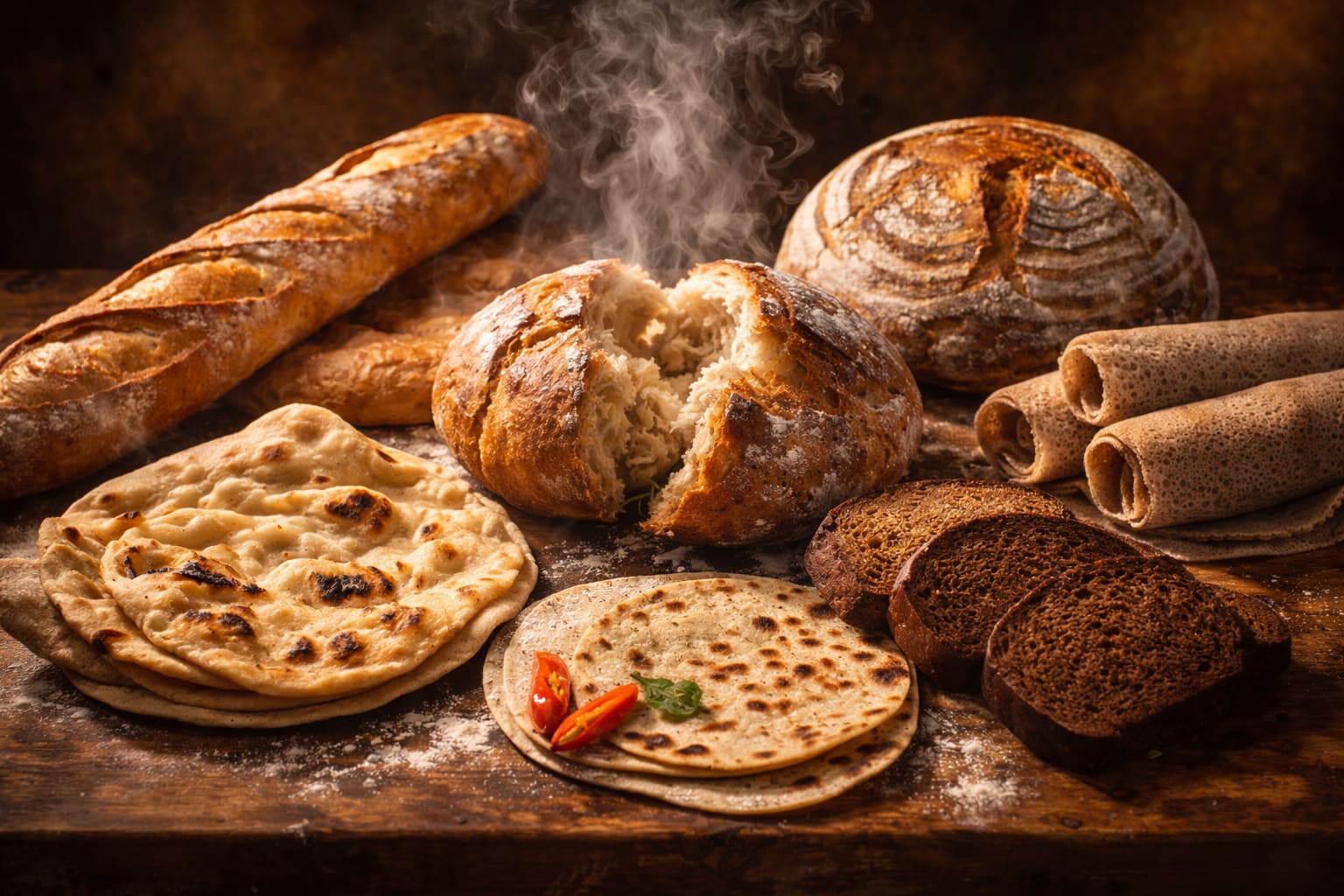
The oldest bread is 14,400 years old, baked before farming began. Why religions, empires and riots all centered on the loaf, and why rice cultures came to it late.
One food history story, delivered every week.