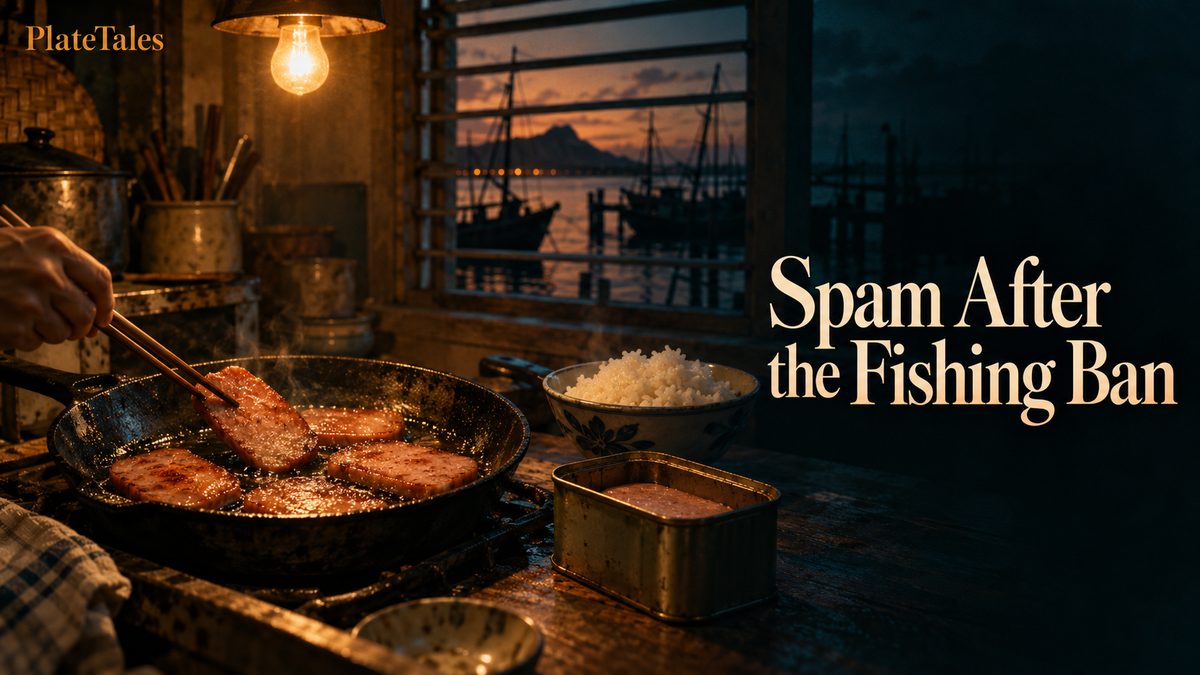
Why Is Spam So Popular in Hawaii? Start With the Fishing Ban
GIs brought the cans, but martial law kept Hawaii's Japanese fishermen ashore in 1941, and a plantation habit of rice with salty canned meat gave Spam somewhere to stay.
Sieges, rations, blockades and shortages have shaped cooking as much as any chef. How conflict and hunger invented, banned and spread the foods we still eat.
6 stories · All stories

GIs brought the cans, but martial law kept Hawaii's Japanese fishermen ashore in 1941, and a plantation habit of rice with salty canned meat gave Spam somewhere to stay.

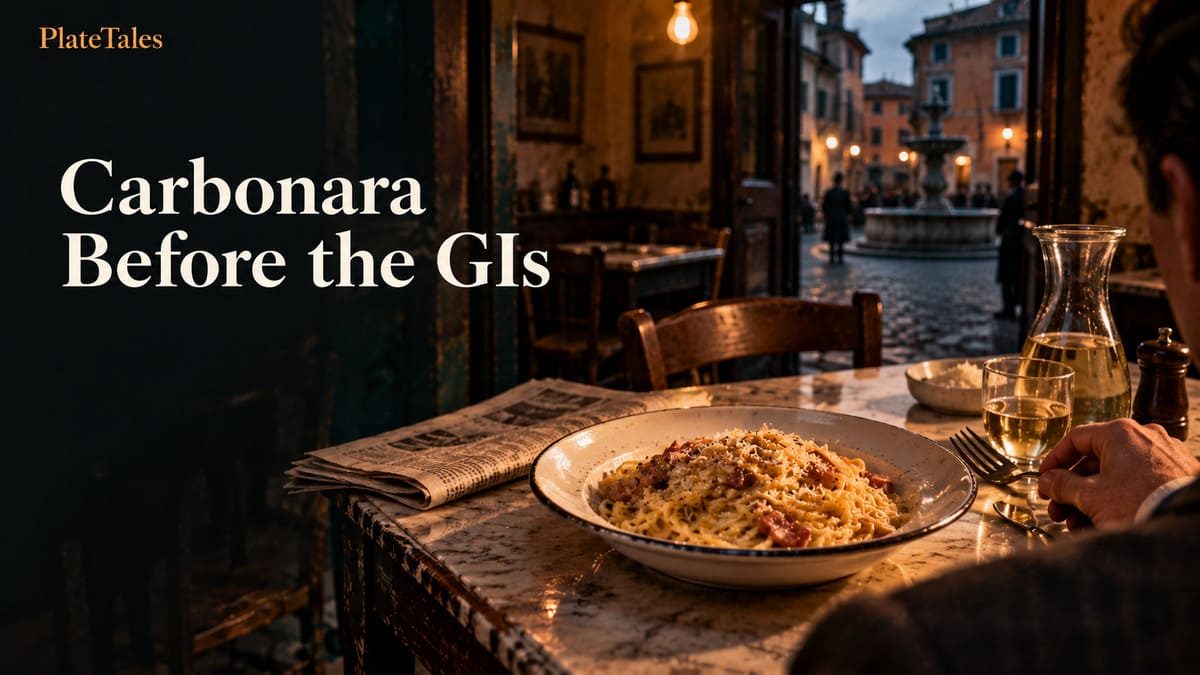
For years the best answer was American bacon and powdered egg in liberated Rome. Then a 1939 Dutch newspaper turned up with carbonara already on a Trastevere menu.

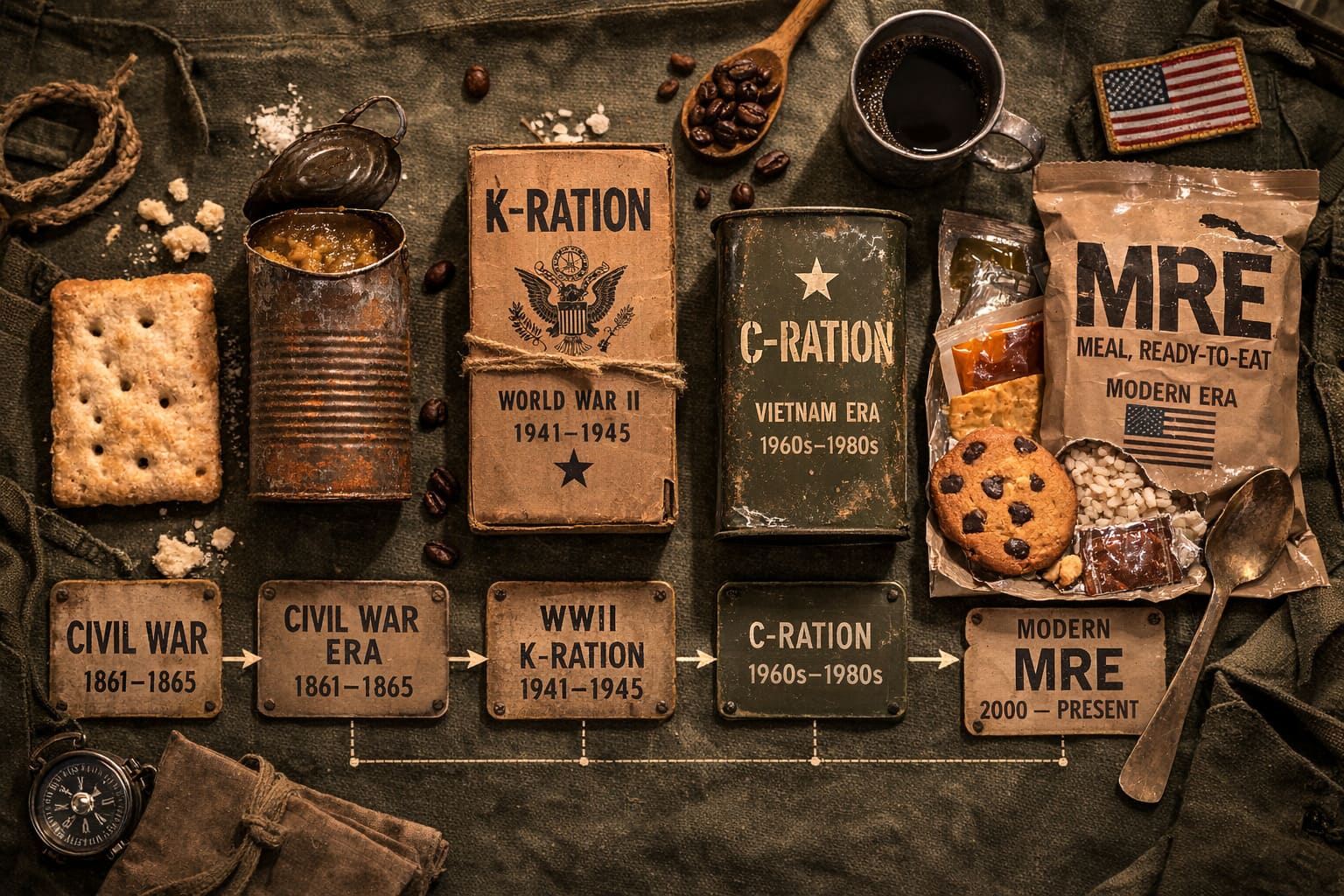
Armies have fought a long battle between food that keeps and food soldiers will eat. Here is how Roman wheat, hardtack, tin cans, C- and K-rations and the MRE came about.

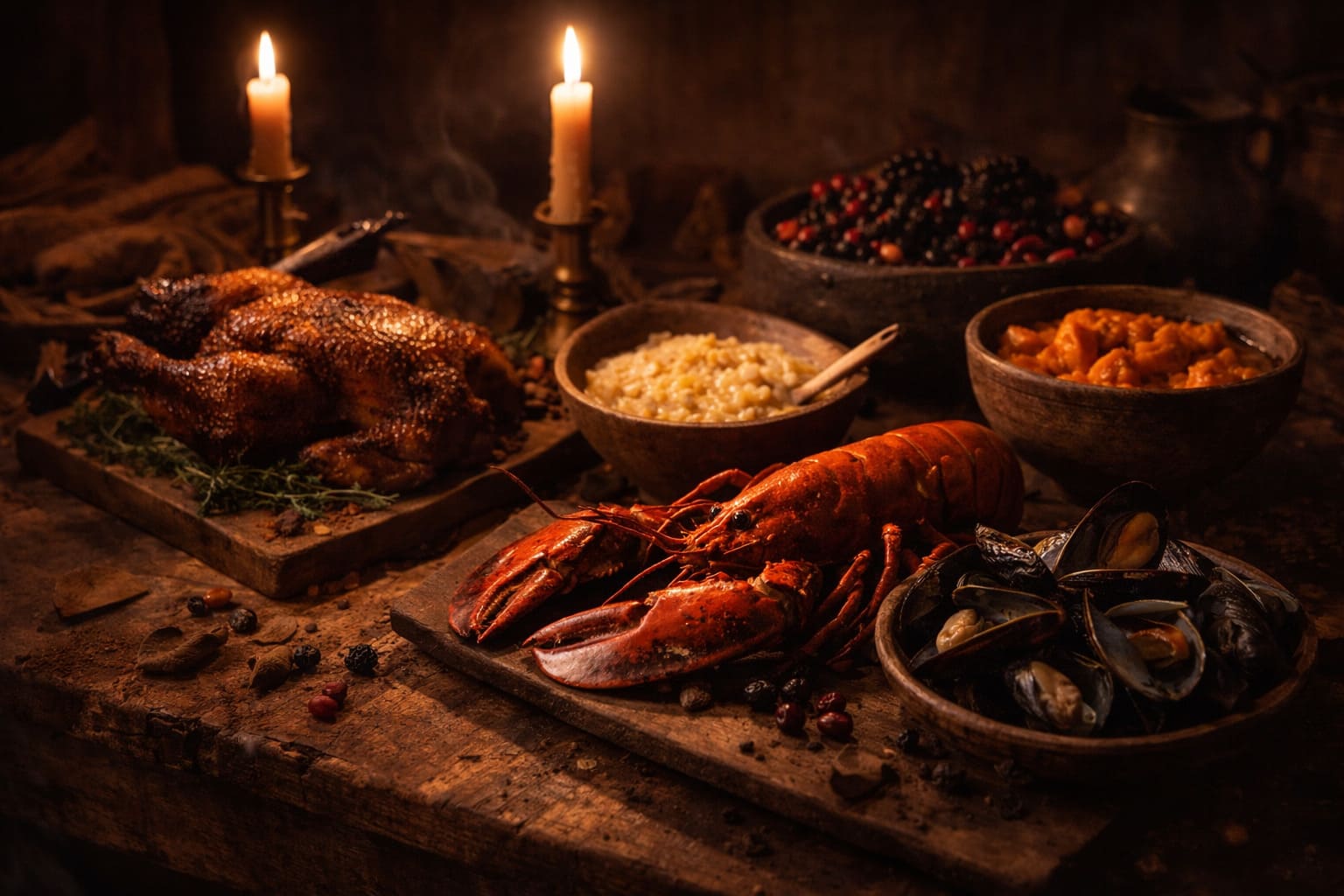
Two eyewitness documents describe Plymouth in 1621: wild fowl, five deer and three days of feasting. The turkey-and-pie menu came two centuries later.

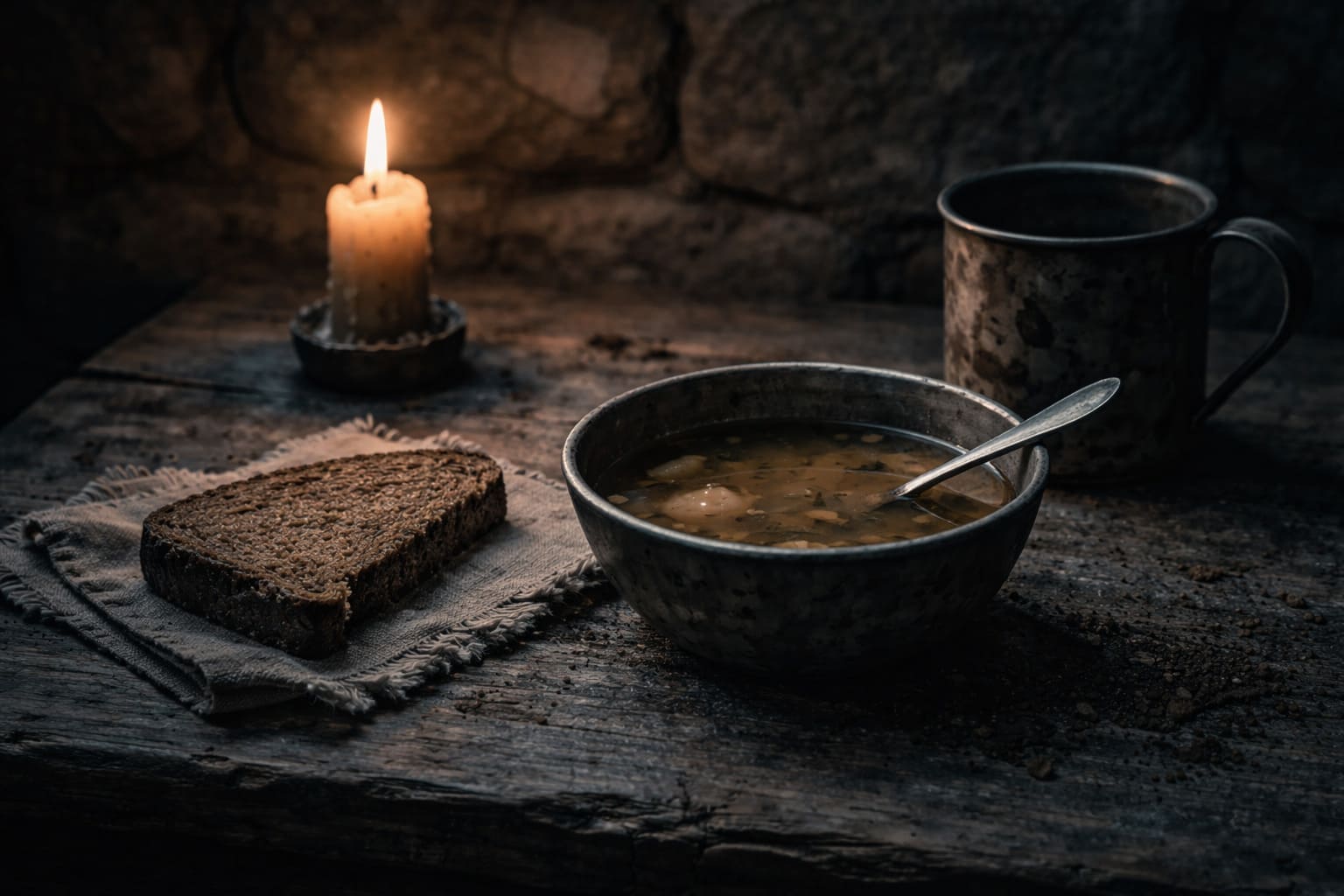
From elephant in Paris to cellulose bread in Leningrad, what four besieged cities ate, and where the famous stories hold up and where they do not.

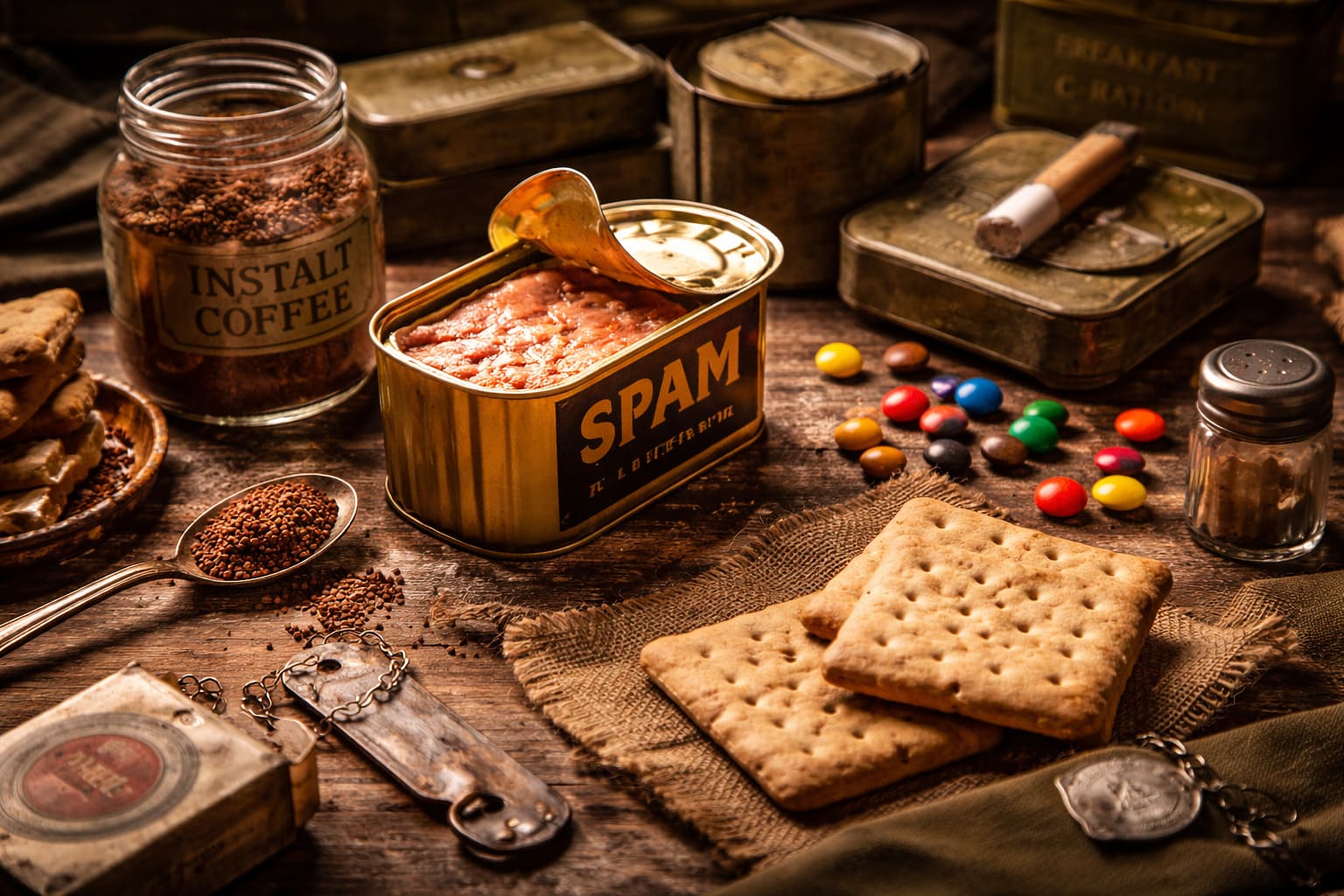
Canning really was a wartime invention. Spam, instant coffee and M&M's were not, but war made them household names. Here is what the sources say.
One food history story, delivered every week.