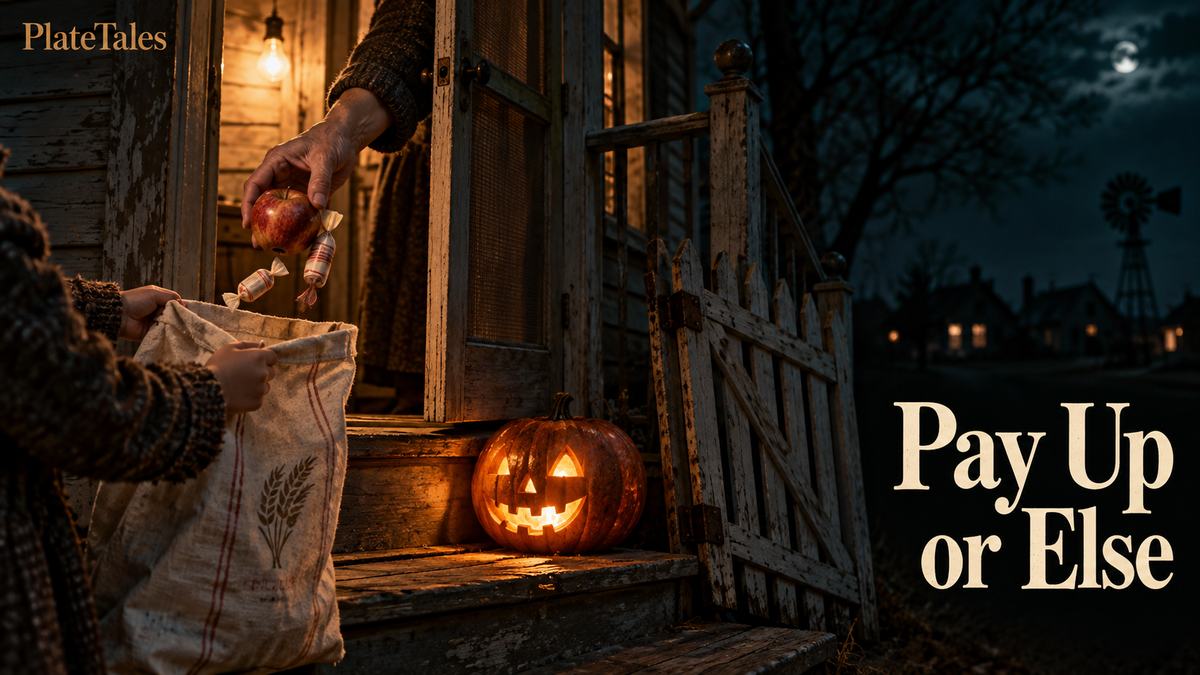
Why Do We Give Out Candy on Halloween? It Began as a Bribe
Trick-or-treating began as a protection racket run by children, and for decades the payoff was apples, nuts or coins. Candy took over only in the 1950s.
Every PlateTales food history story tagged North American, newest first.
20 stories · All stories

Trick-or-treating began as a protection racket run by children, and for decades the payoff was apples, nuts or coins. Candy took over only in the 1950s.

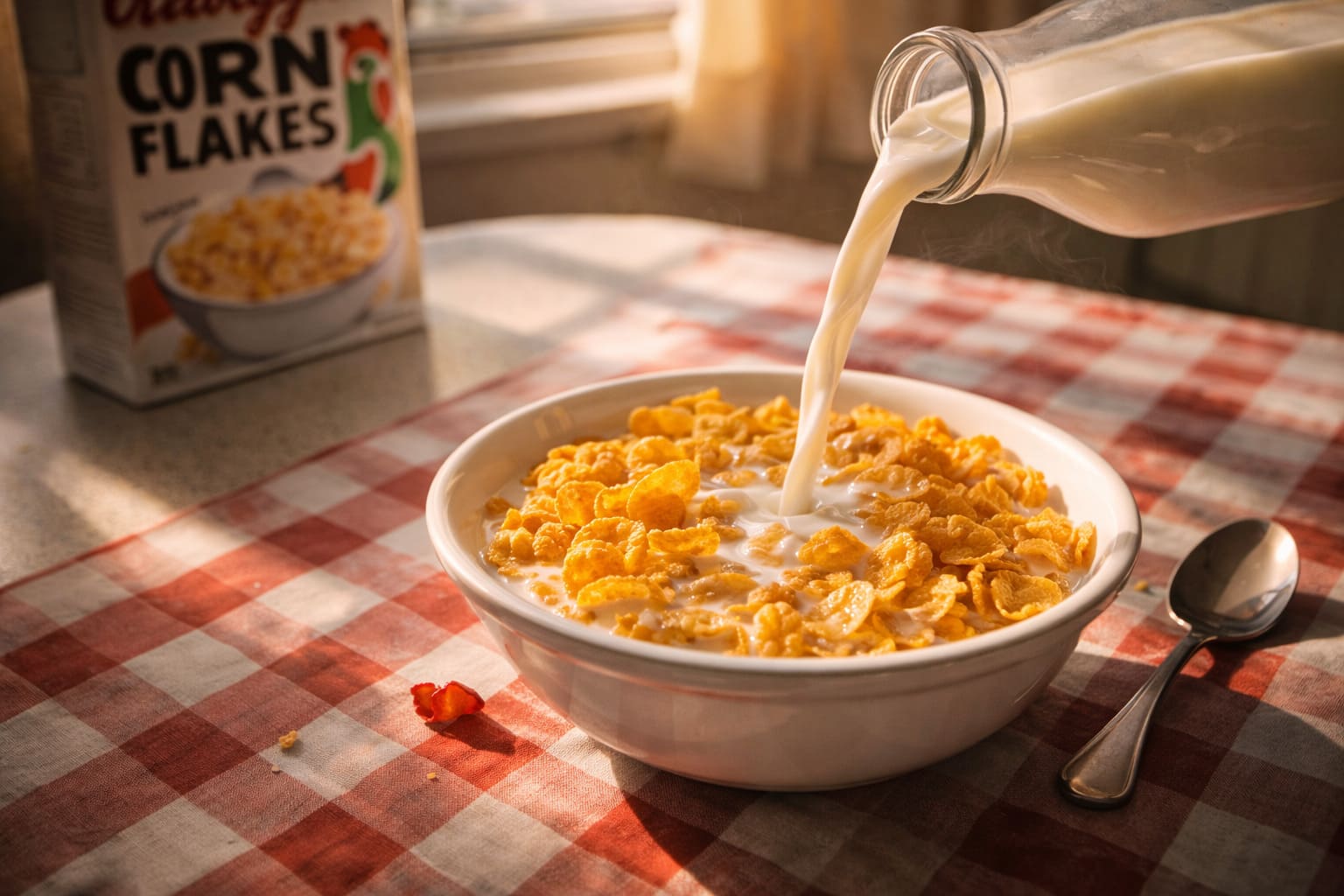
Cornflakes came out of the Battle Creek Sanitarium in the 1890s. Two Kellogg brothers share the credit, and they spent years fighting over it, and over sugar.

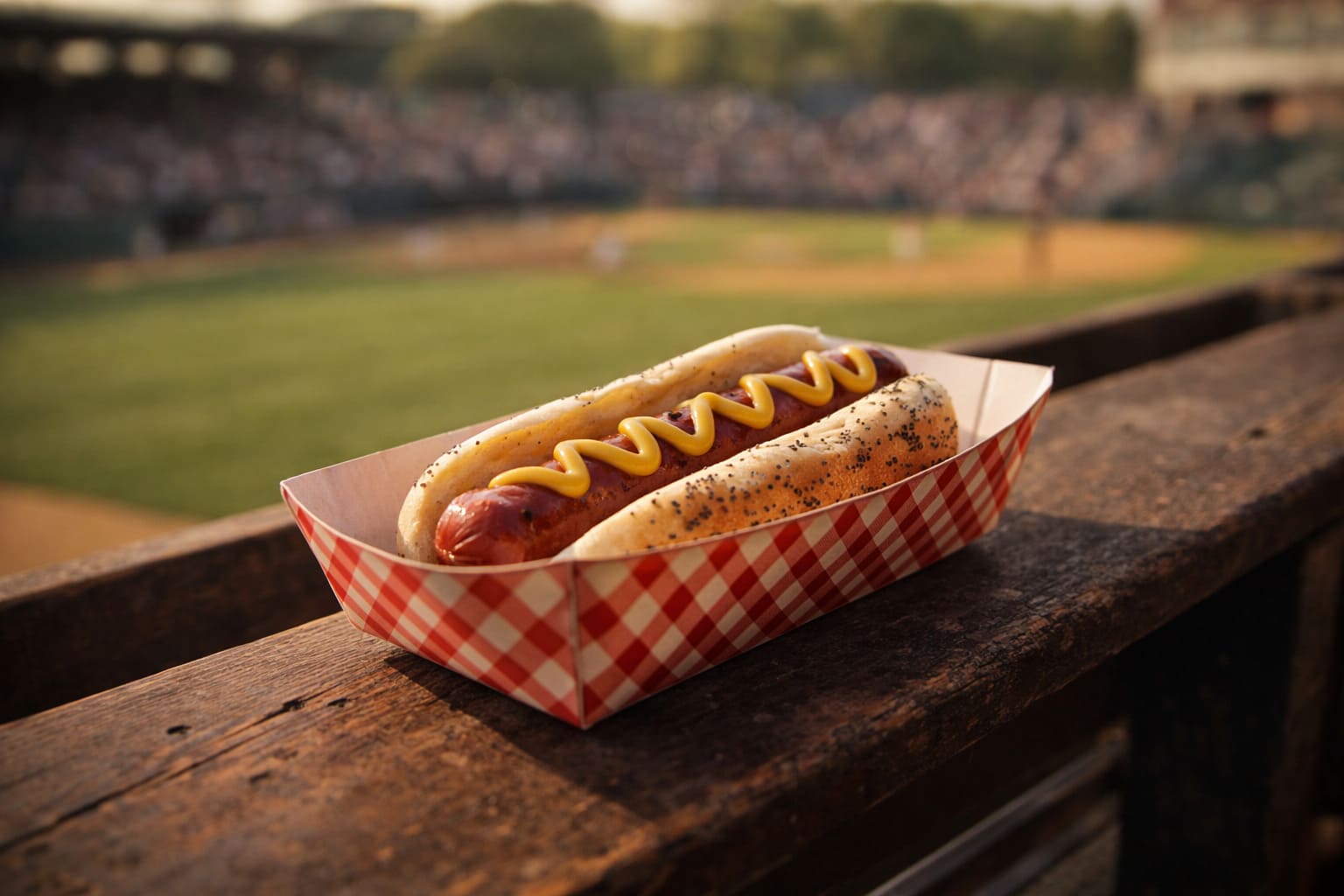
Frankfurt and Vienna both claim the sausage, and Coney Island, St. Louis and a ballpark all claim the bun. Here is what the record actually shows.

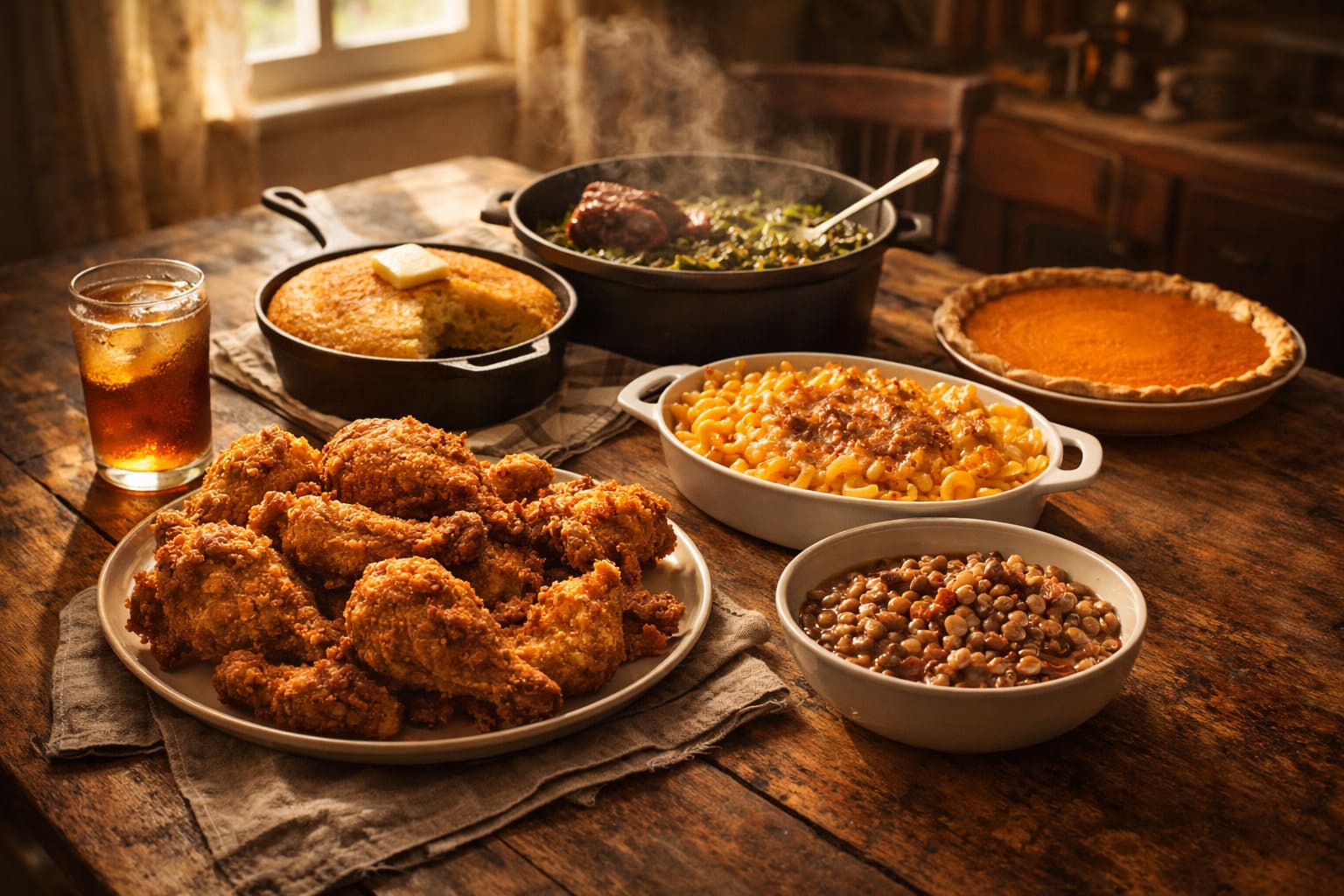
Soul food grew from the foods and skills of enslaved Africans in the American South. The name only caught on in the 1960s, and people argued about it from the start.

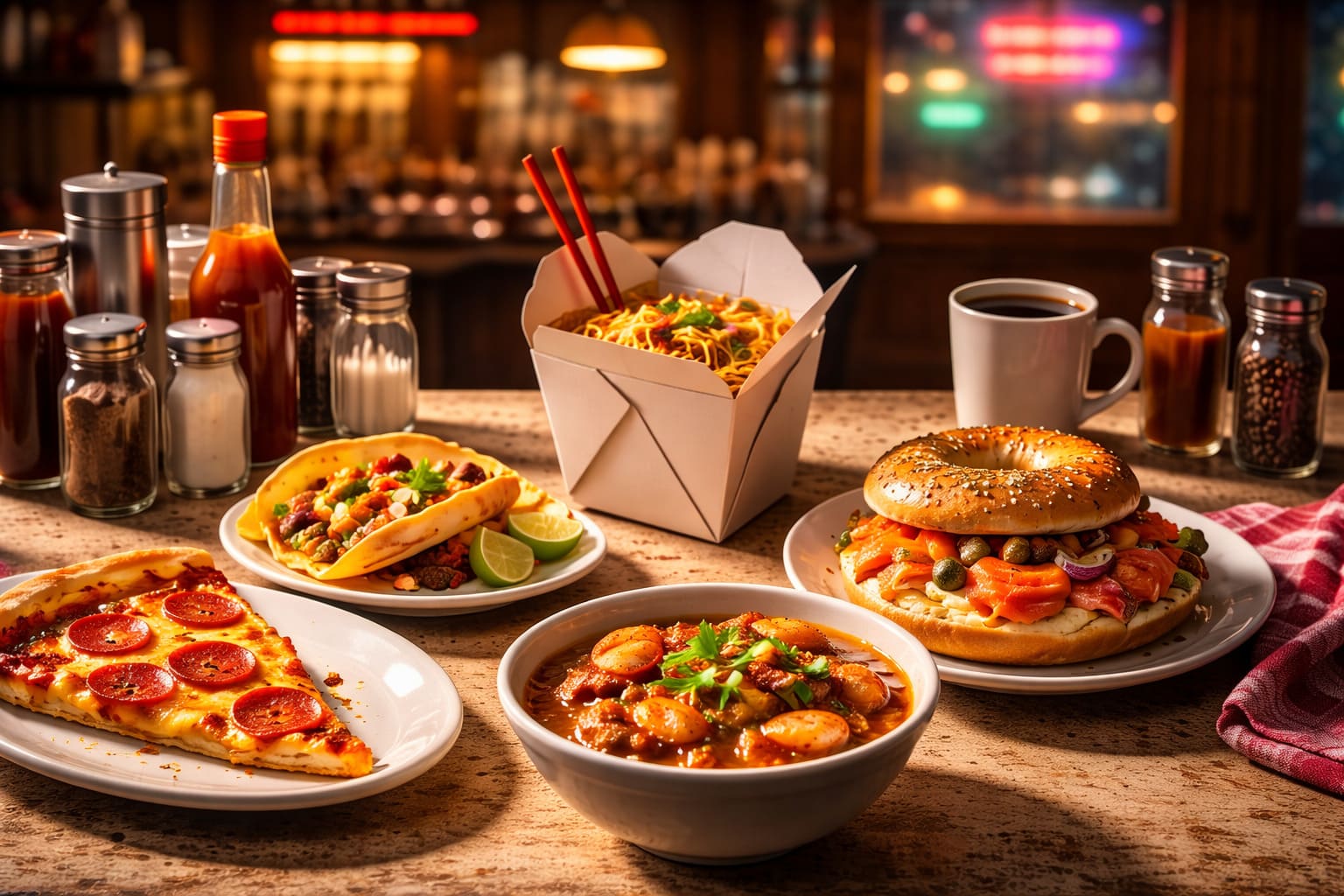
Pizza, chop suey, hamburgers and Tex-Mex all took their American shape from immigrant cooks. Here is what the records show about where each dish started and what changed.

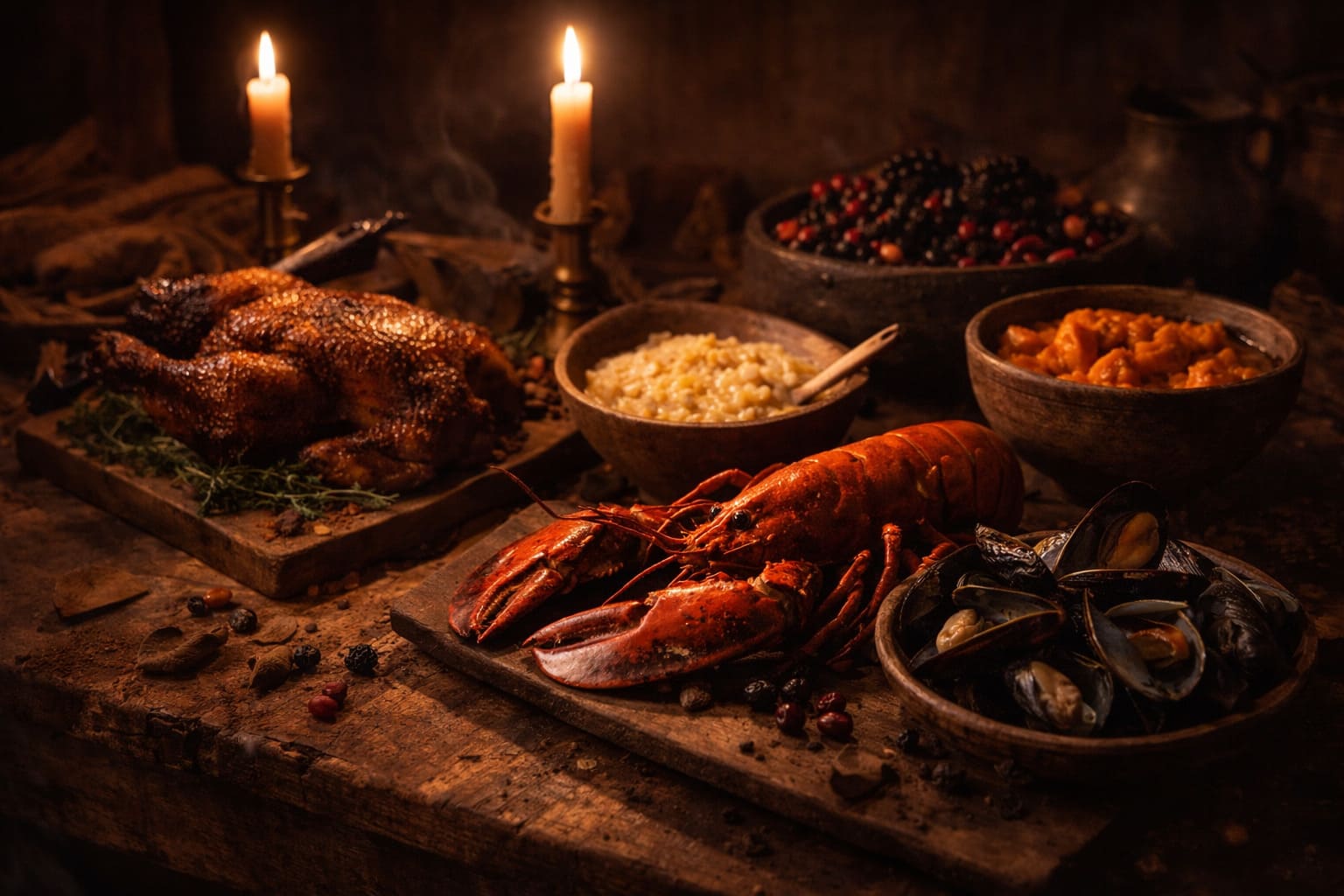
Two eyewitness documents describe Plymouth in 1621: wild fowl, five deer and three days of feasting. The turkey-and-pie menu came two centuries later.

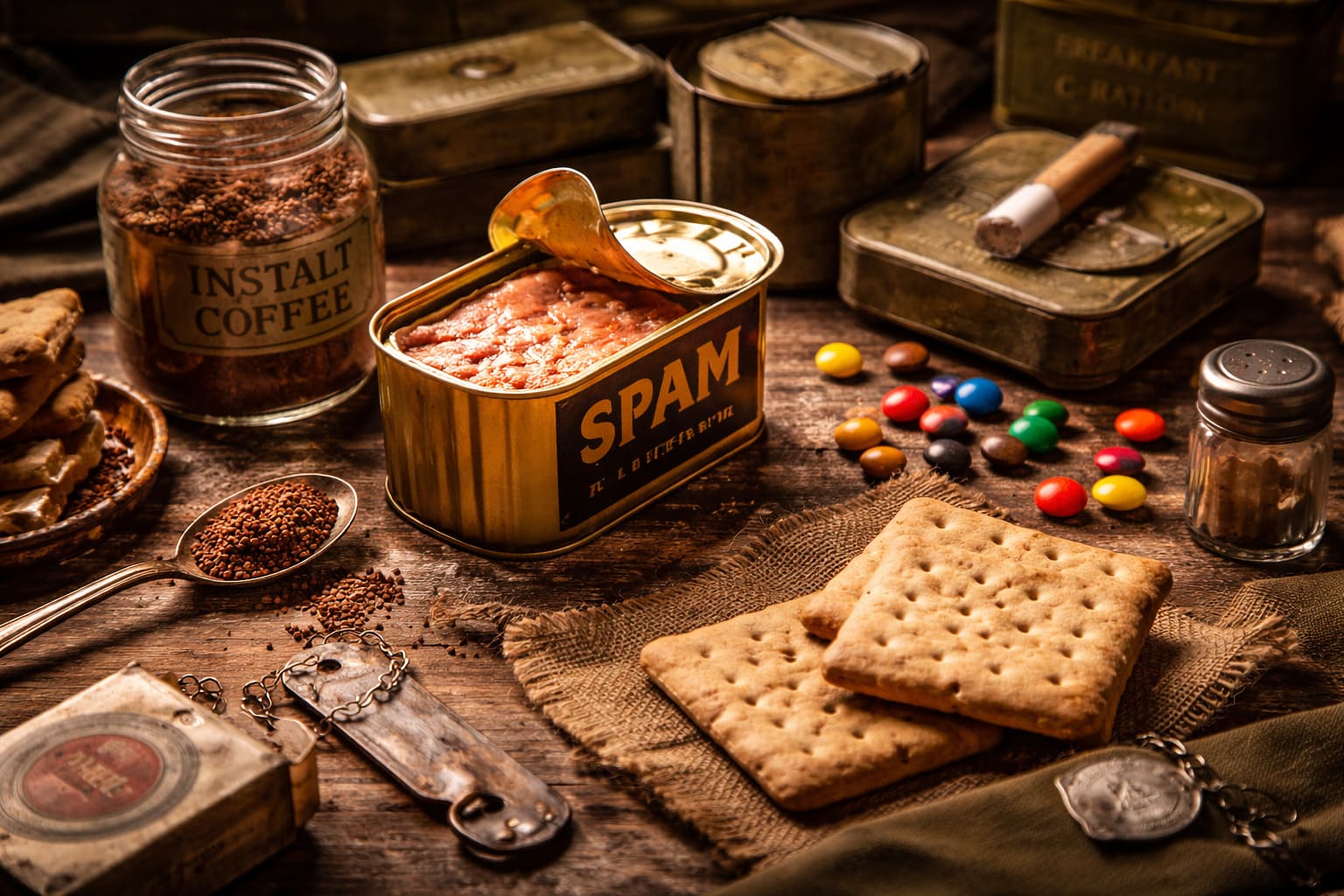
Canning really was a wartime invention. Spam, instant coffee and M&M's were not, but war made them household names. Here is what the sources say.

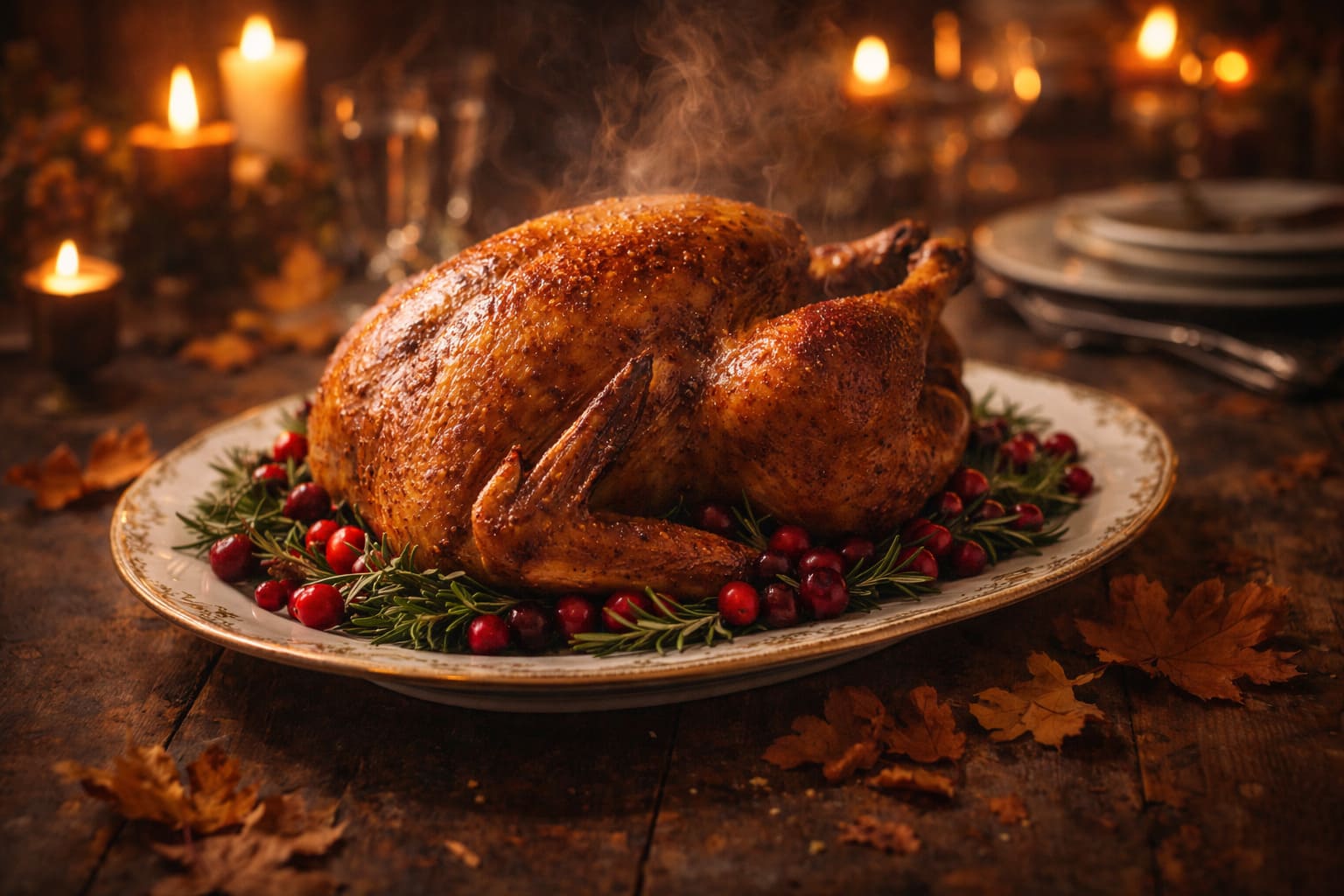
Plymouth's two eyewitnesses barely mention turkey. The bird won its place through farm sense, a novel with a roast turkey at the table's head, and a long campaign.
One food history story, delivered every week.