Who Invented the Brownie? The Palmer House Claim Tested
Chicago's Palmer House says it made the first brownie for the 1893 World's Fair. The printed record shows a molasses cake in 1896 and chocolate recipes after 1900.
Foods born from mistakes, shortages and lucky guesses, and the many legends of happy accidents that turn out to be marketing.
9 stories · All stories

Chicago's Palmer House says it made the first brownie for the 1893 World's Fair. The printed record shows a molasses cake in 1896 and chocolate recipes after 1900.

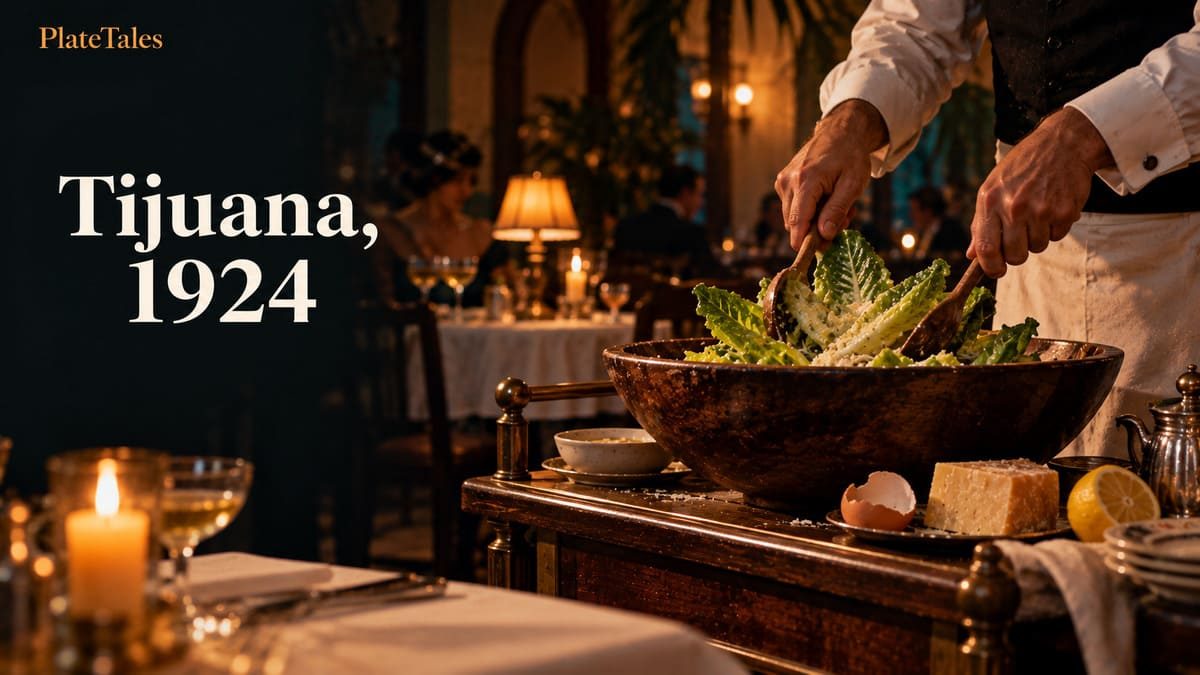
Caesar Cardini of Tijuana has the best claim to the Caesar salad, but the famous July 4, 1924 date surfaced decades later, and three other men said the bowl was theirs.

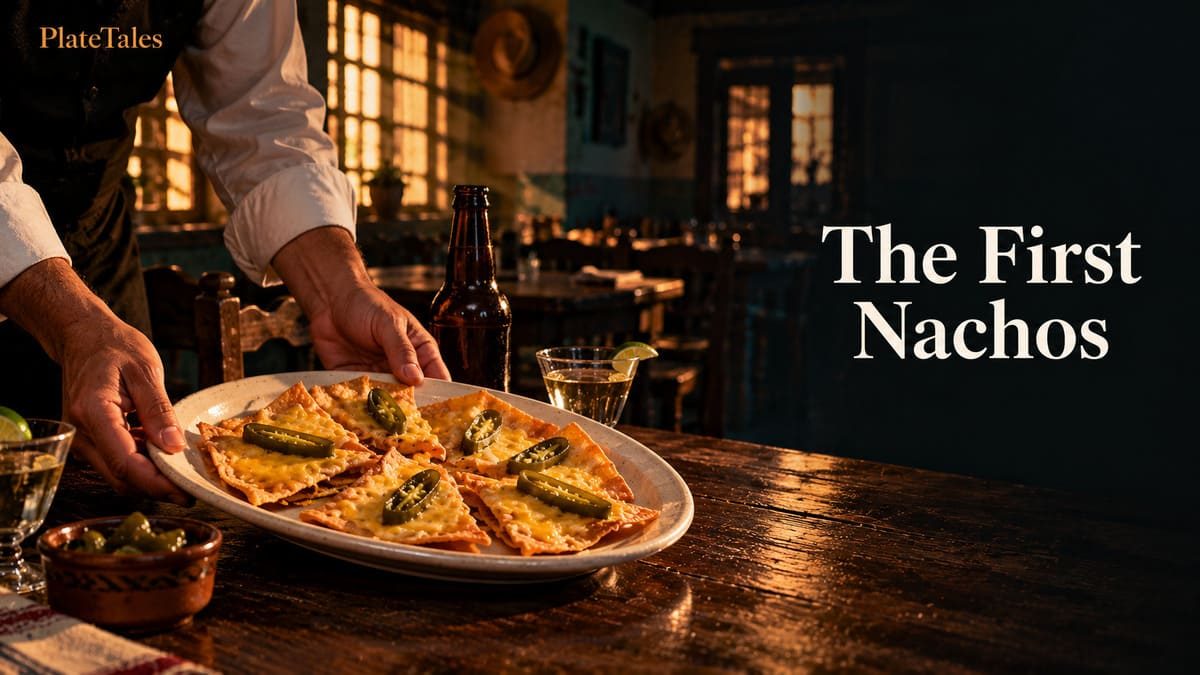
Ignacio "Nacho" Anaya melted cheese over fried tortillas for four women from Eagle Pass, Texas. His own newspaper interviews say it happened in 1940, three years before the usual date.

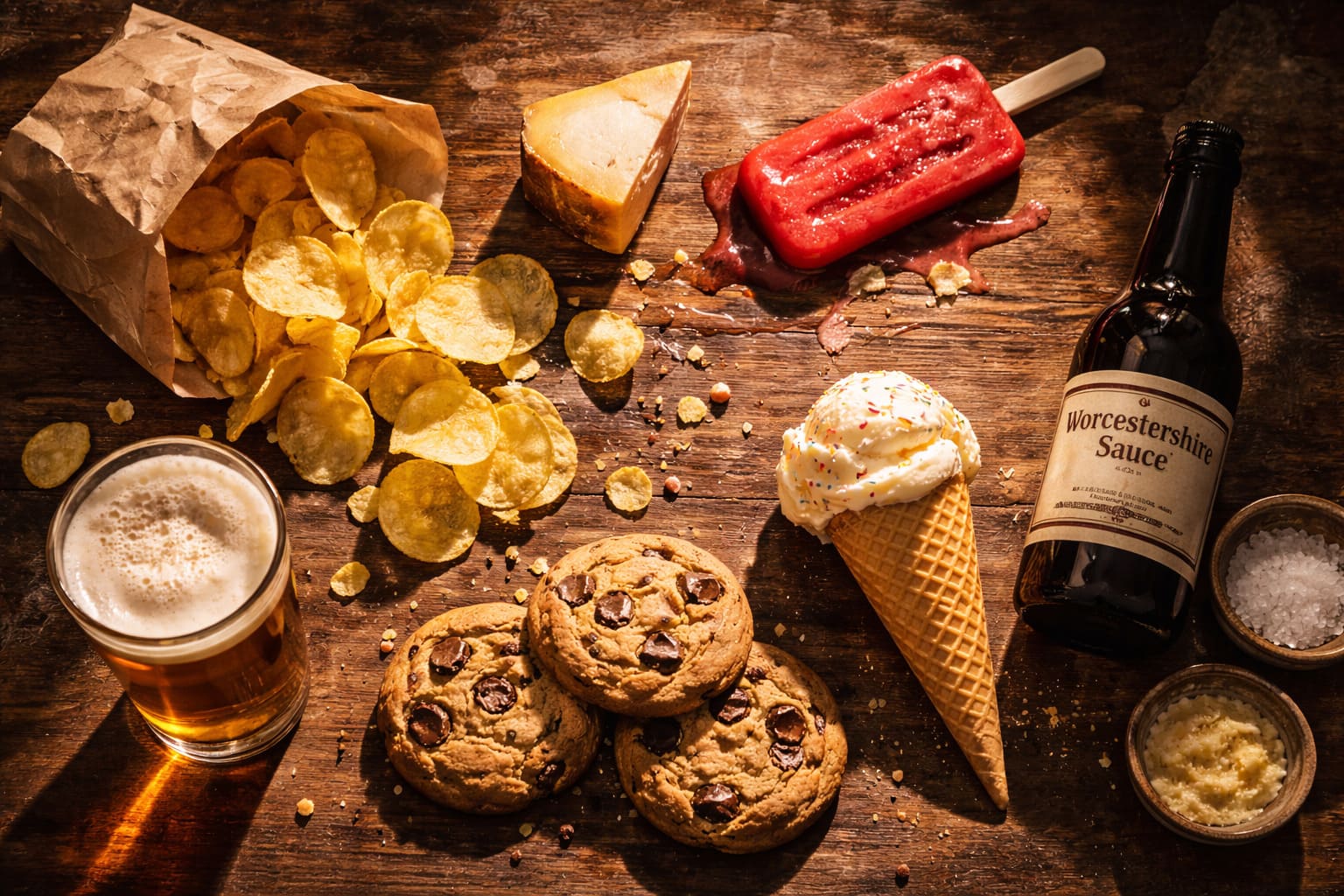
Saccharin and corn flakes came from real slips. Potato chips, chocolate chip cookies and Worcestershire sauce are mostly good stories. Here is what the records show.

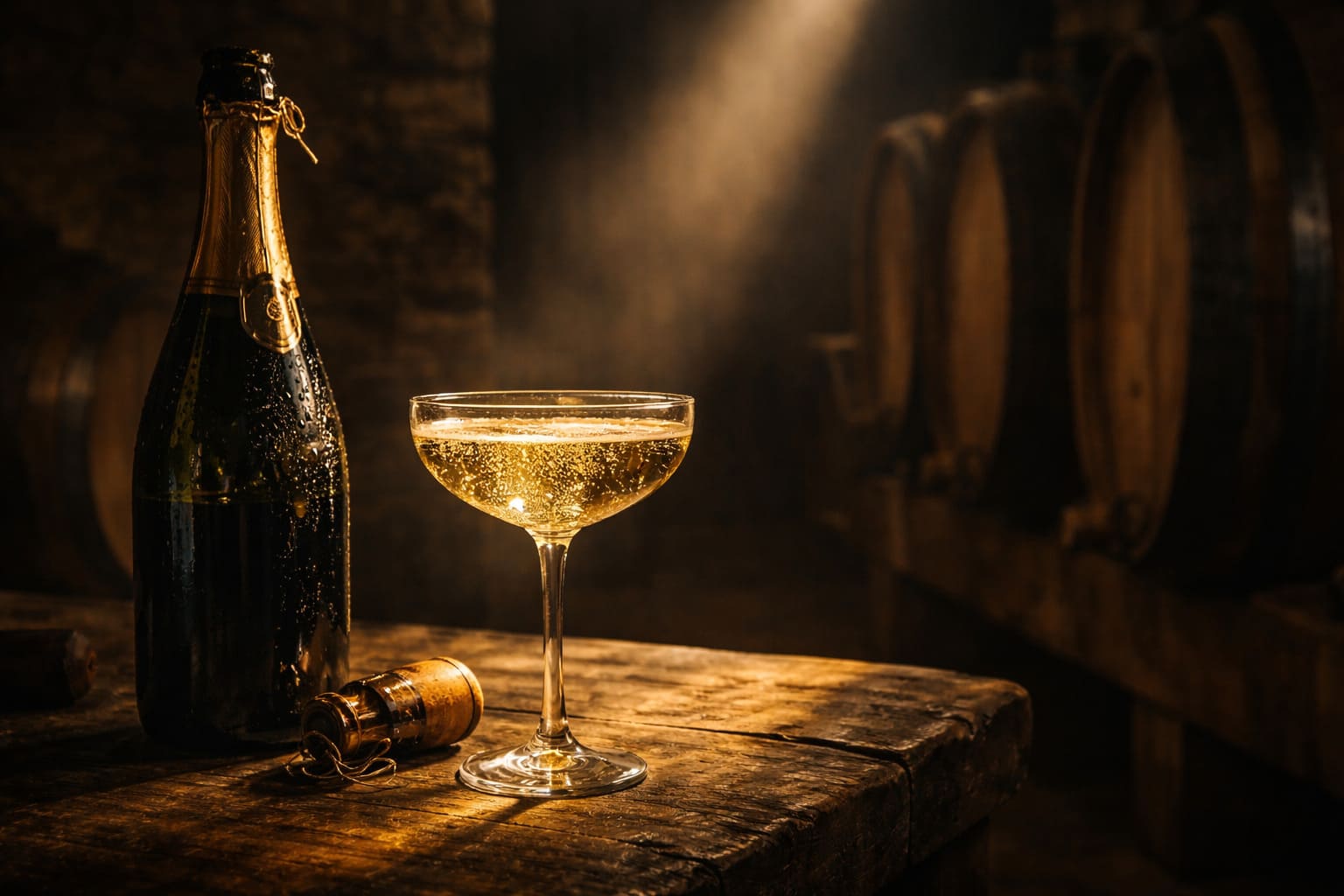
Dom Perignon did not invent champagne, and he was partly hired to stop the bubbles. The real history runs through a London paper in 1662 and a widow's kitchen table.

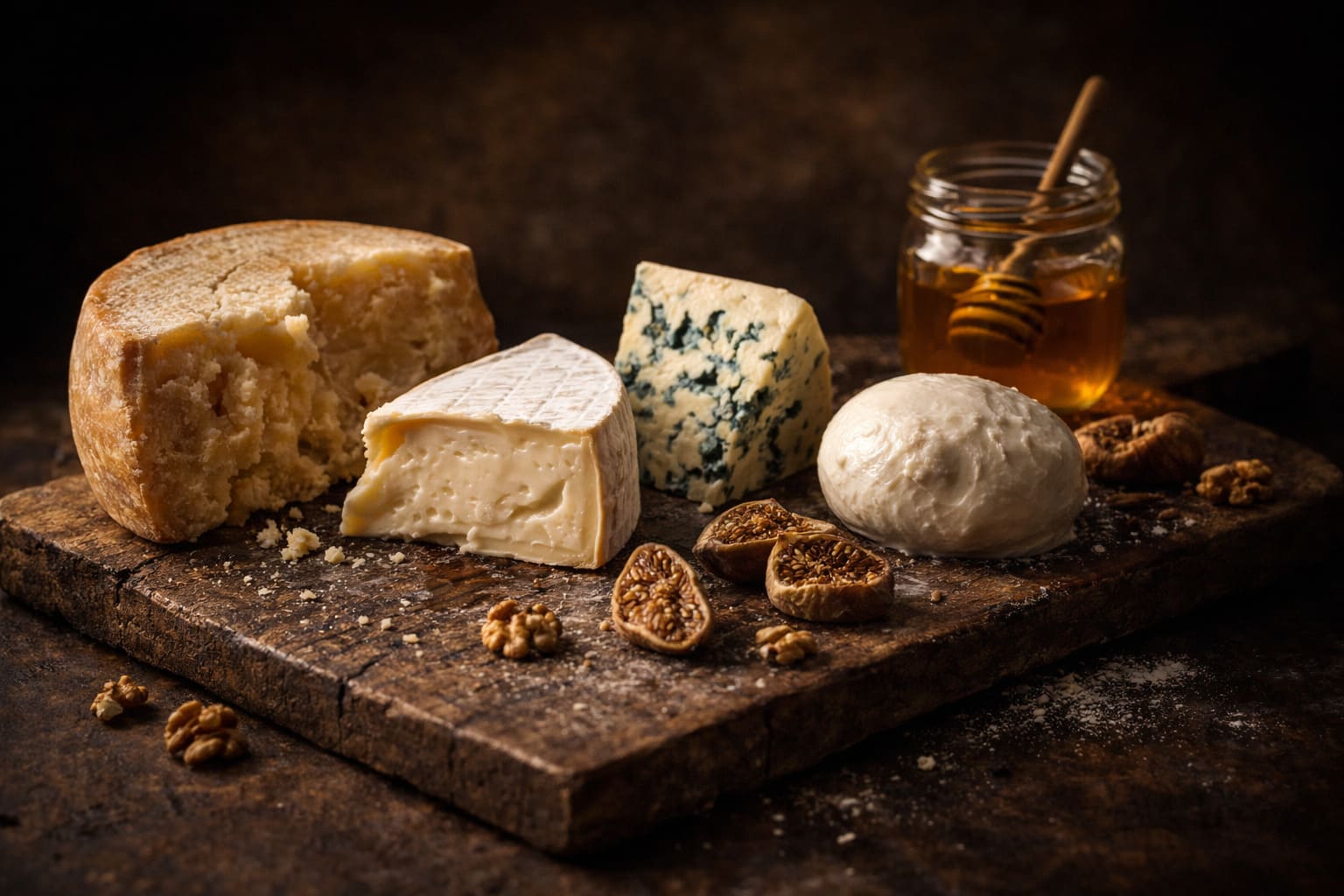
Nobody knows who made the first cheese, but milk-fat residue on pottery from Poland puts cheesemaking at about 5500 BCE. Here is what the evidence shows, and what the legends add.

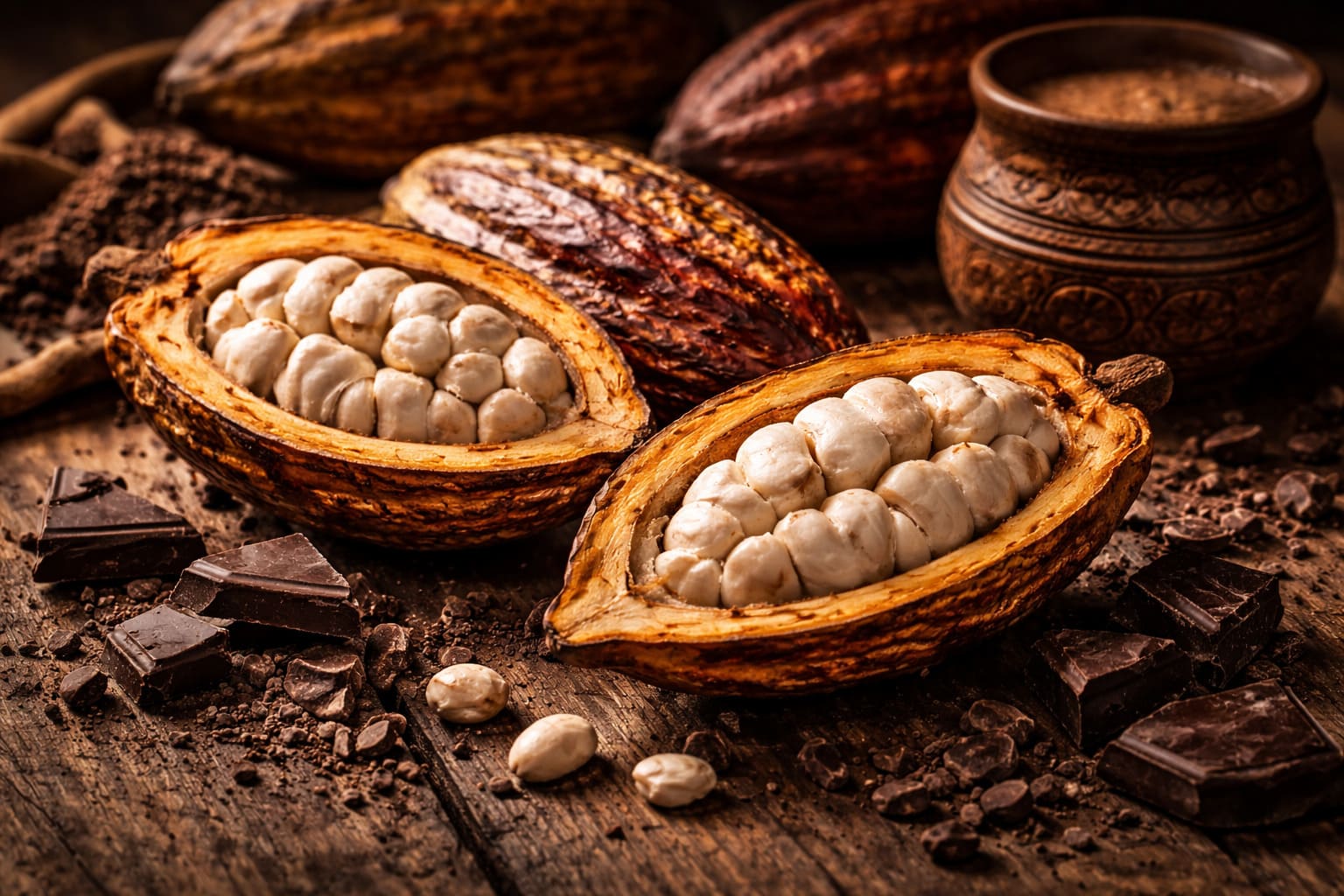
Cacao was in use in Ecuador about 5,300 years ago. The chocolate bar is only from the 1840s on, and several tidy stories about Cortes and Aztec feasts do not hold up.

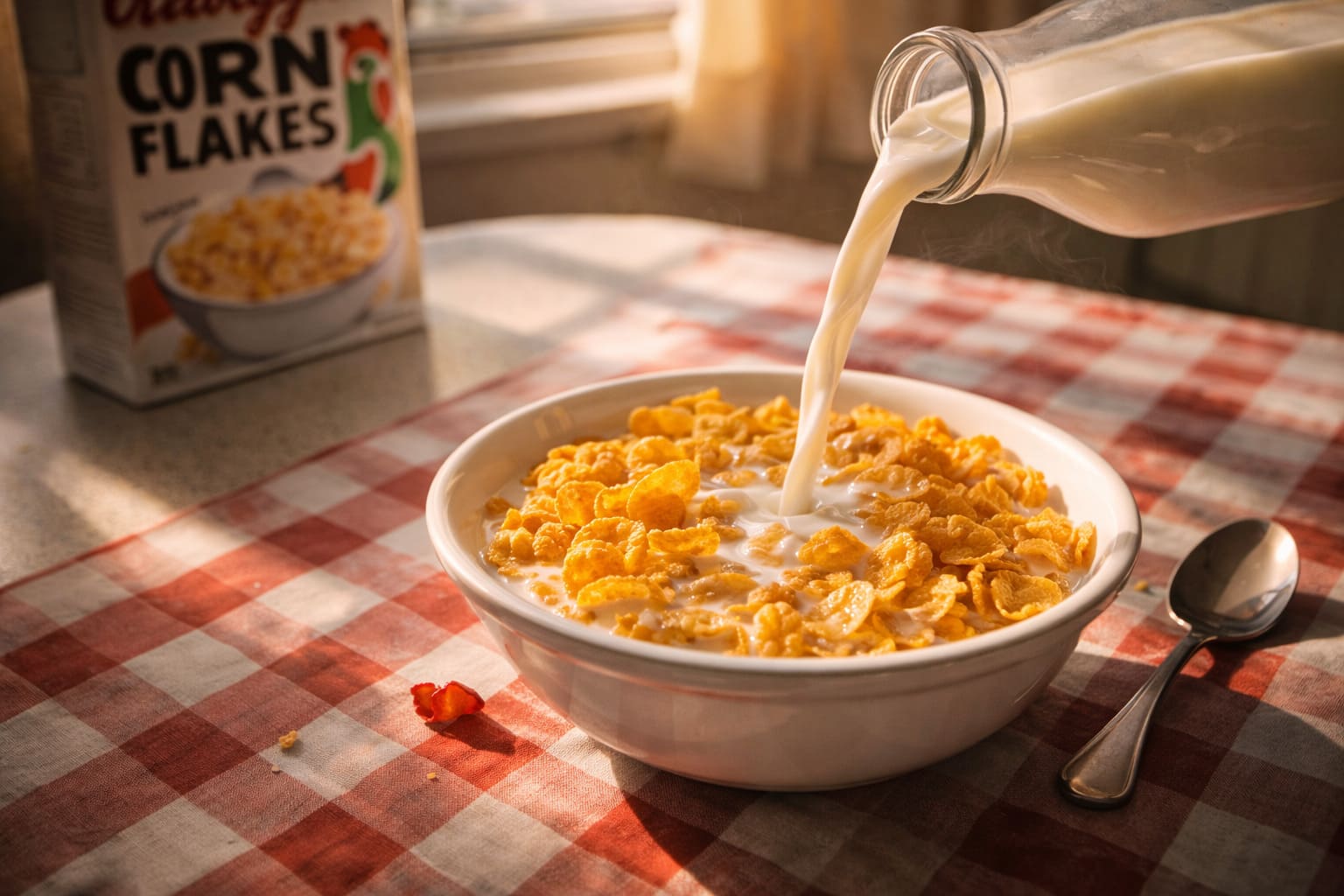
Cornflakes came out of the Battle Creek Sanitarium in the 1890s. Two Kellogg brothers share the credit, and they spent years fighting over it, and over sugar.

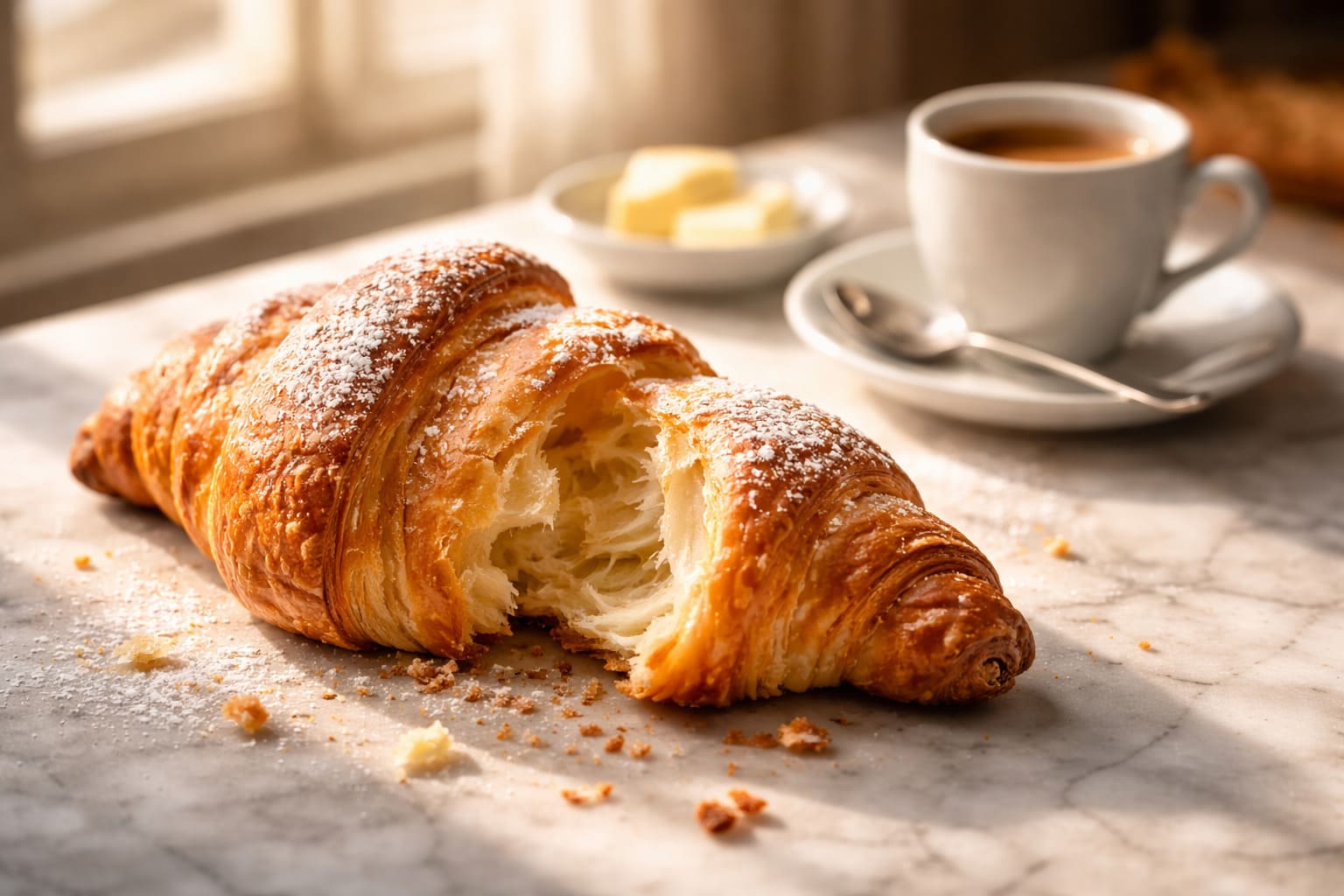
The croissant grew from the Austrian kipferl, reached Paris with an officer's bakery in 1838 or 1839, and became a laminated pastry in the early 1900s. The siege and queen stories do not hold.
One food history story, delivered every week.