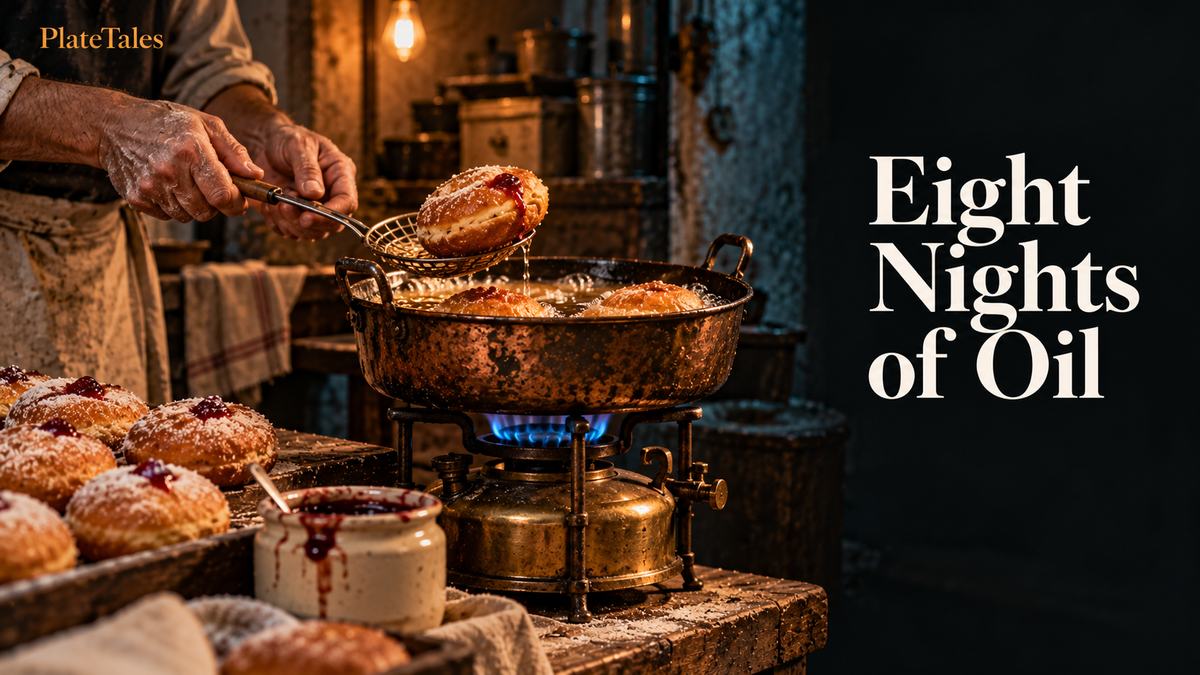
Why We Eat Jelly Donuts on Hanukkah: Oil, Jam and a Union
The oil explains the frying. The jam came from German Carnival baking, and a labor union in 1920s Palestine may explain why the bakery doughnut won.
Every PlateTales food history story tagged European, newest first.
9 stories · All stories

The oil explains the frying. The jam came from German Carnival baking, and a labor union in 1920s Palestine may explain why the bakery doughnut won.

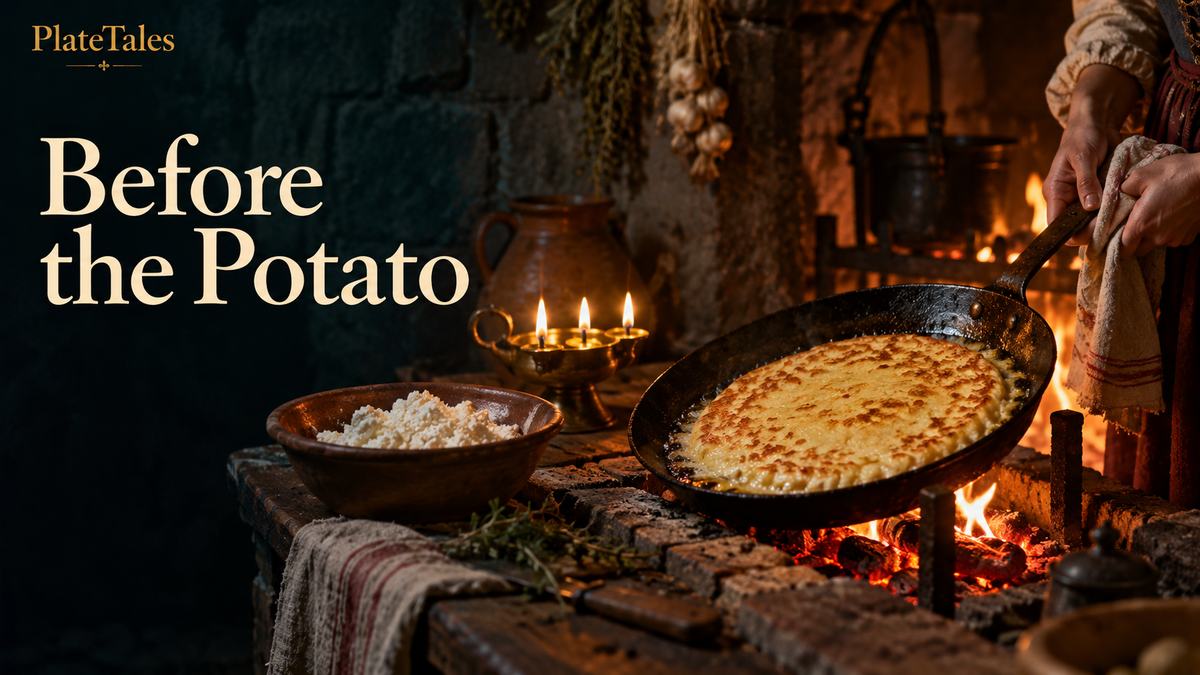
The Hanukkah pancake is at least 700 years old and the potato in it is under 200. Before that it was cheese, then buckwheat fried in goose fat.

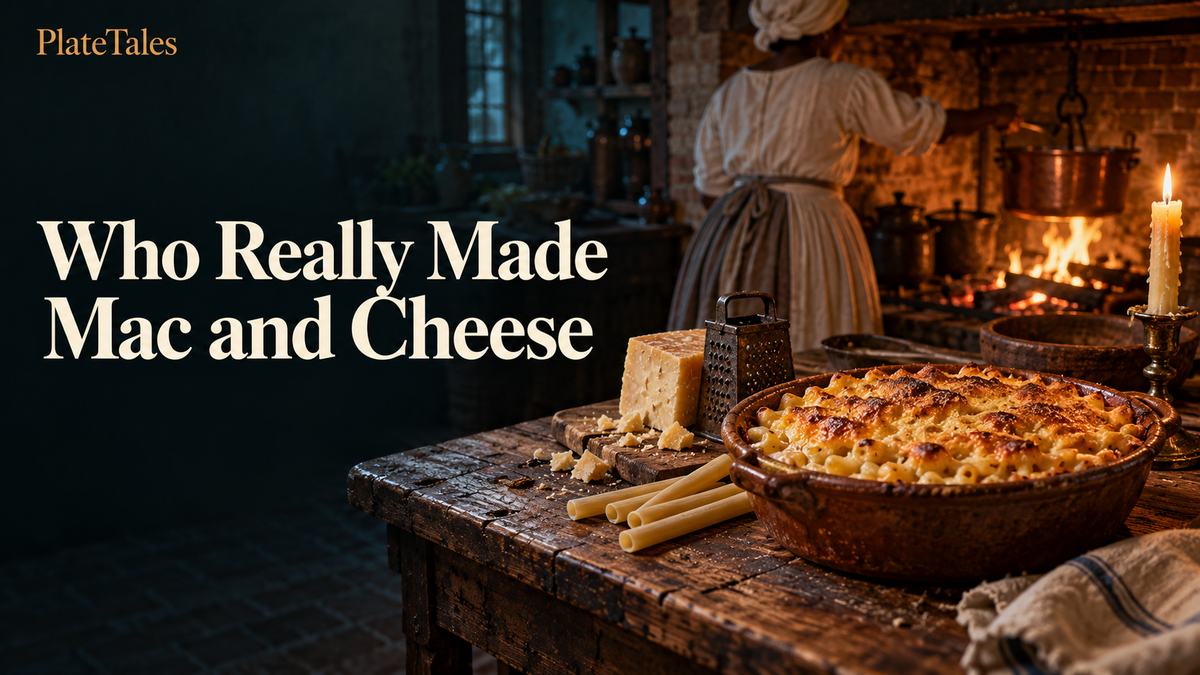
Thomas Jefferson gets the credit and James Hemings gets the correction, but Richard II's master cooks wrote the dish down around 1390, centuries before either man was born.

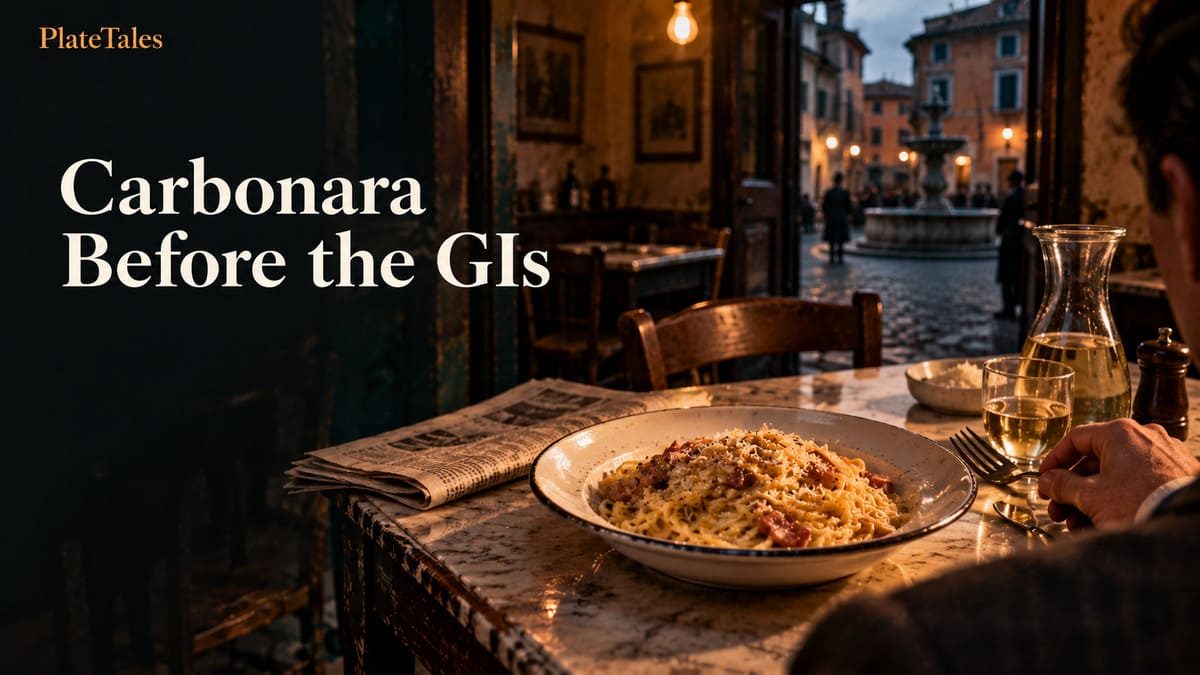
For years the best answer was American bacon and powdered egg in liberated Rome. Then a 1939 Dutch newspaper turned up with carbonara already on a Trastevere menu.

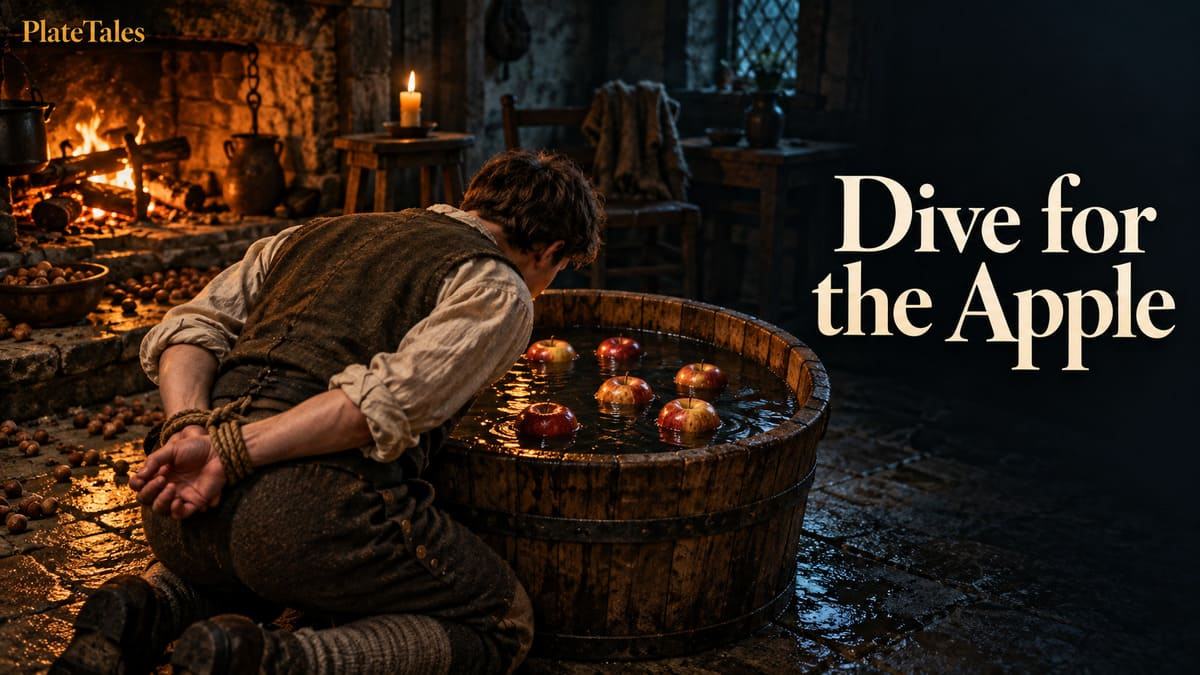
The oldest descriptions of the game, from 1777 and the 1780s, call it diving and dipping. The Roman goddess and the future husband were written in later.

Soul cakes were small spiced cakes handed out around All Souls' Day in return for prayers for the dead. Whether they became trick-or-treating is a harder question than most pages admit.

The Forme of Cury, written about 1390, holds 196 recipes from a king's cooks. Read closely, they undo several popular ideas about what medieval Europe ate.

The potato reached Spain around 1570, spent two centuries as a suspect curiosity, then became a staple from Ireland to Prussia. Most of the famous stories about its rise are myths.

From elephant in Paris to cellulose bread in Leningrad, what four besieged cities ate, and where the famous stories hold up and where they do not.
One food history story, delivered every week.