Who Invented the Caesar Salad? Four Men and a Tijuana Kitchen
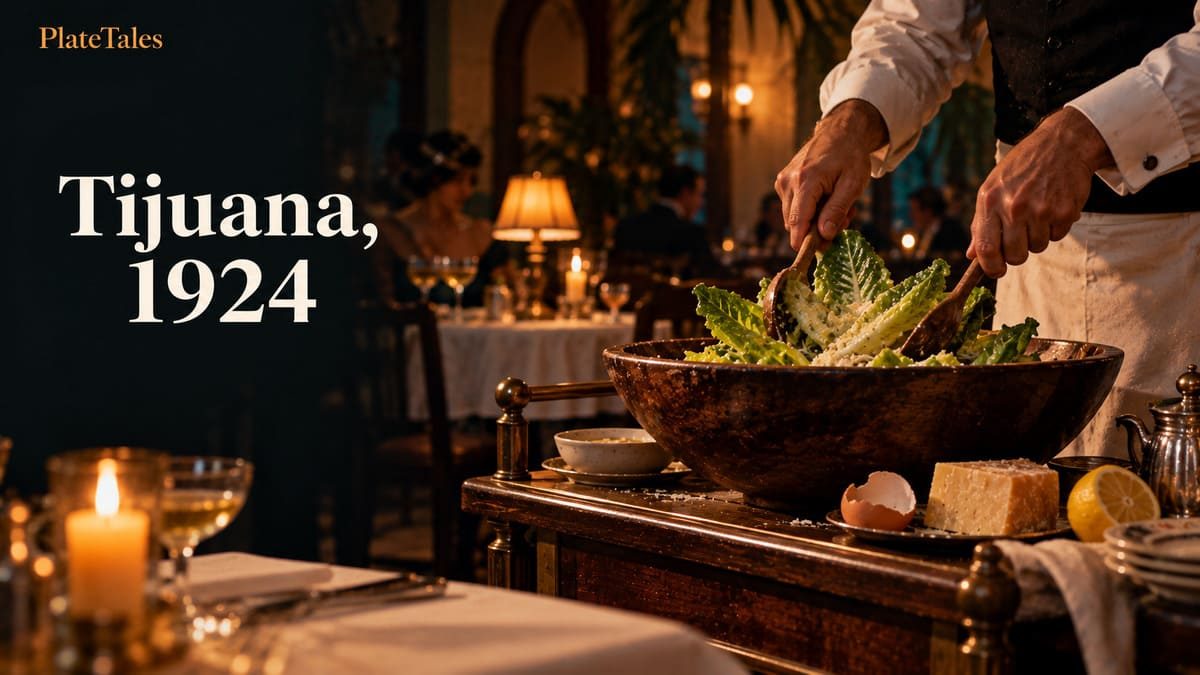
Caesar Cardini of Tijuana has the best claim to the Caesar salad, but the famous July 4, 1924 date surfaced decades later, and three other men said the bowl was theirs.
Where dishes really come from, and how far the popular story strays from the record. Every claim checked against cookbooks, newspapers and food historians.
38 stories · All stories

Caesar Cardini of Tijuana has the best claim to the Caesar salad, but the famous July 4, 1924 date surfaced decades later, and three other men said the bowl was theirs.

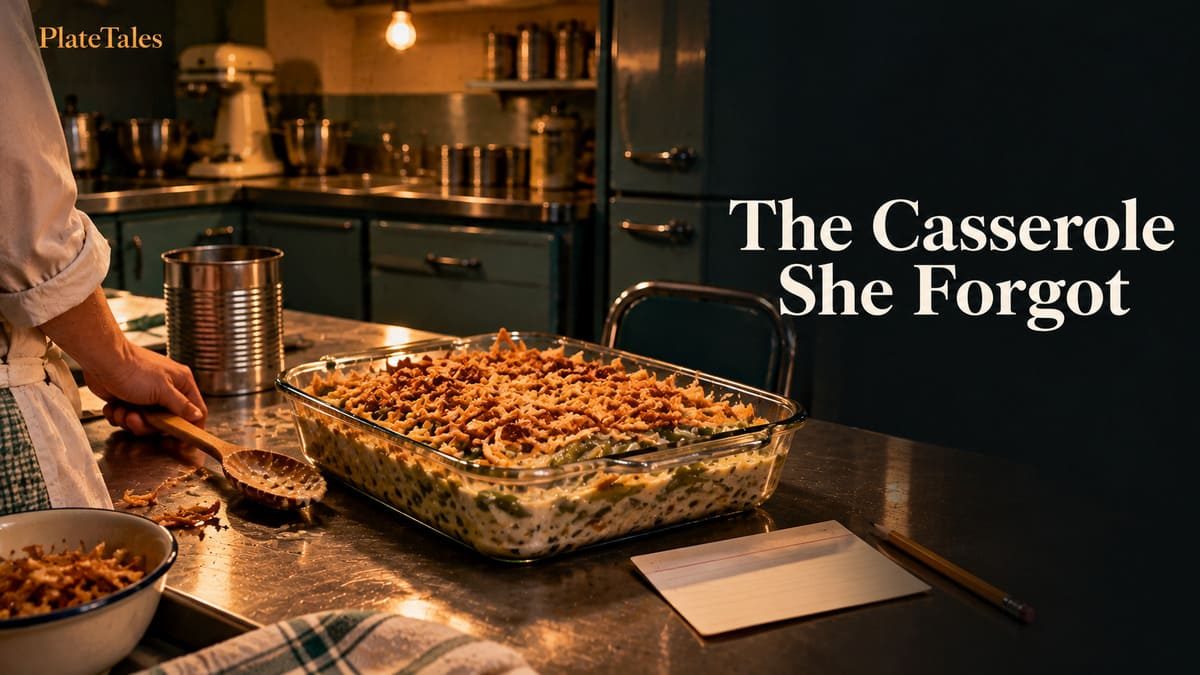
Dorcas Reilly put green bean casserole together in a Campbell's test kitchen in 1955. Fifty years on, she told a reporter she could not recall doing it.

For years the best answer was American bacon and powdered egg in liberated Rome. Then a 1939 Dutch newspaper turned up with carbonara already on a Trastevere menu.

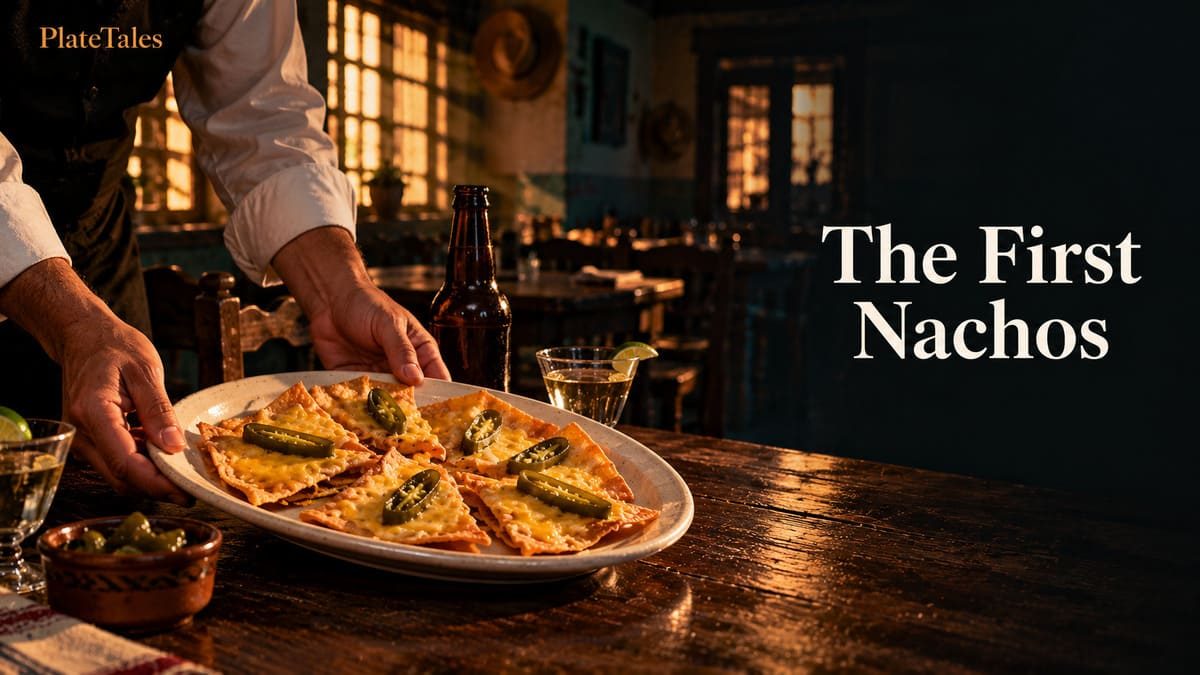
Ignacio "Nacho" Anaya melted cheese over fried tortillas for four women from Eagle Pass, Texas. His own newspaper interviews say it happened in 1940, three years before the usual date.

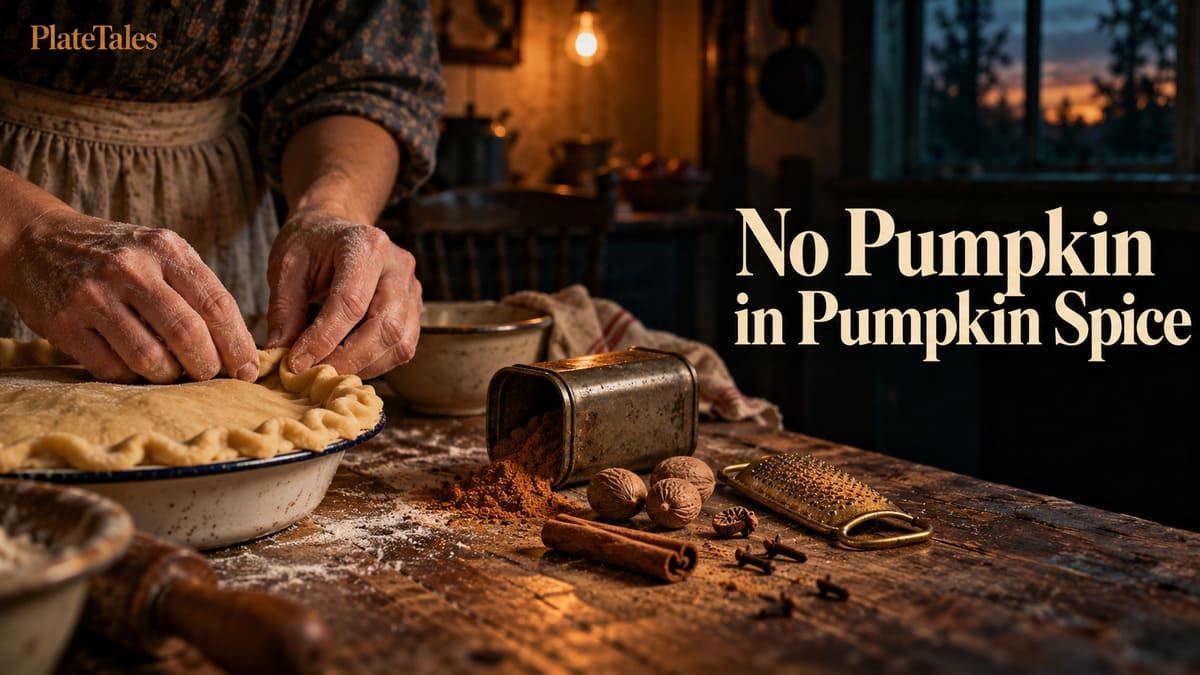
Pumpkin spice is the seasoning for a pumpkin pie, not a flavor made from one. Its paper trail runs from a 1796 Hartford cookbook to 1930s spice tins to a 2003 latte.

The oldest descriptions of the game, from 1777 and the 1780s, call it diving and dipping. The Roman goddess and the future husband were written in later.

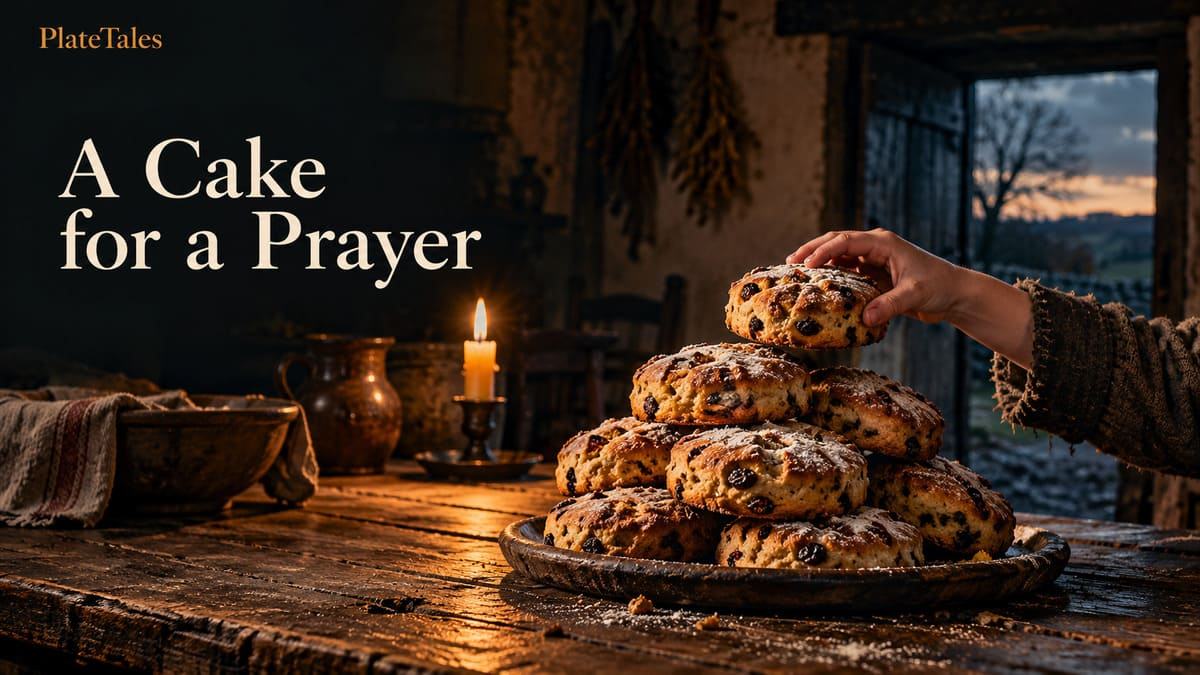
Soul cakes were small spiced cakes handed out around All Souls' Day in return for prayers for the dead. Whether they became trick-or-treating is a harder question than most pages admit.

Goelitz sold candy corn as Chicken Feed, rooster on the package, to a country that fed corn to livestock. October ads for it only spiked in the 1950s.

Trick-or-treating began as a protection racket run by children, and for decades the payoff was apples, nuts or coins. Candy took over only in the 1950s.

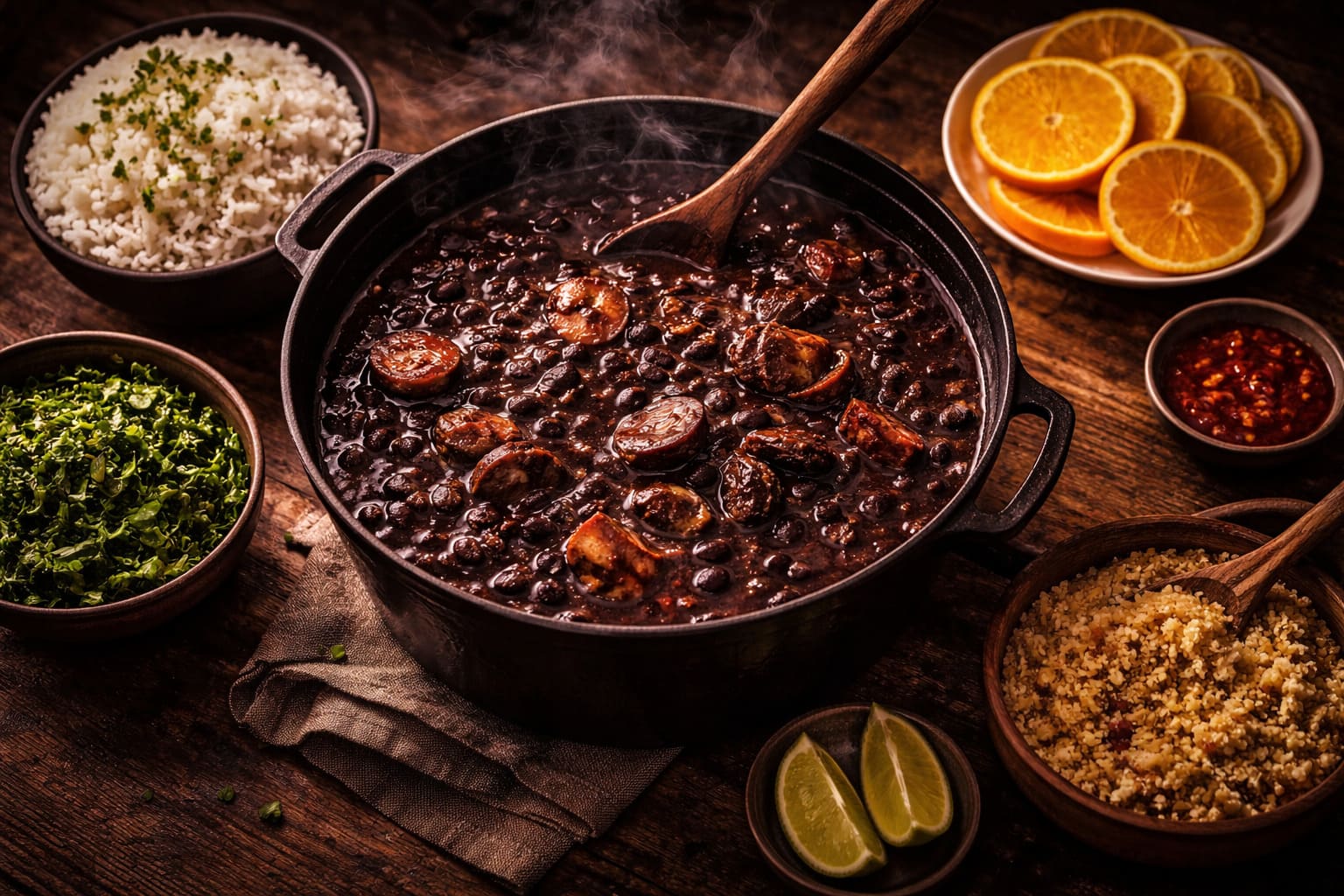
Brazilians say enslaved cooks made feijoada from scraps. The records show a Portuguese-style stew advertised in Recife in 1827, and a full meal that came later.

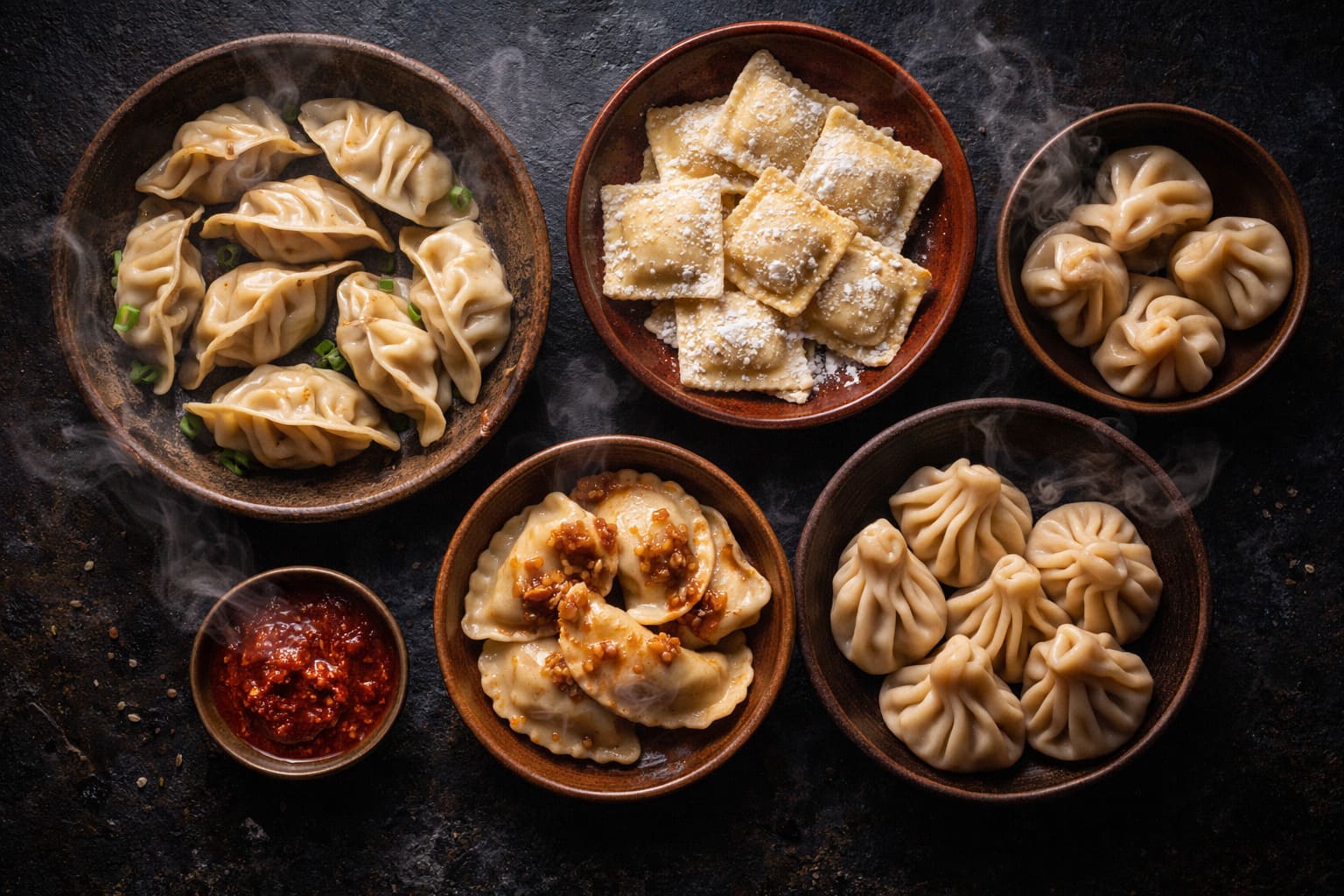
The oldest dumplings ever found came out of a dry tomb in Turpan, dated to about 499 to 640 AD. From there the trail runs to Turkic manti, Italian ravioli, Polish pierogi and Siberian pelmeni.

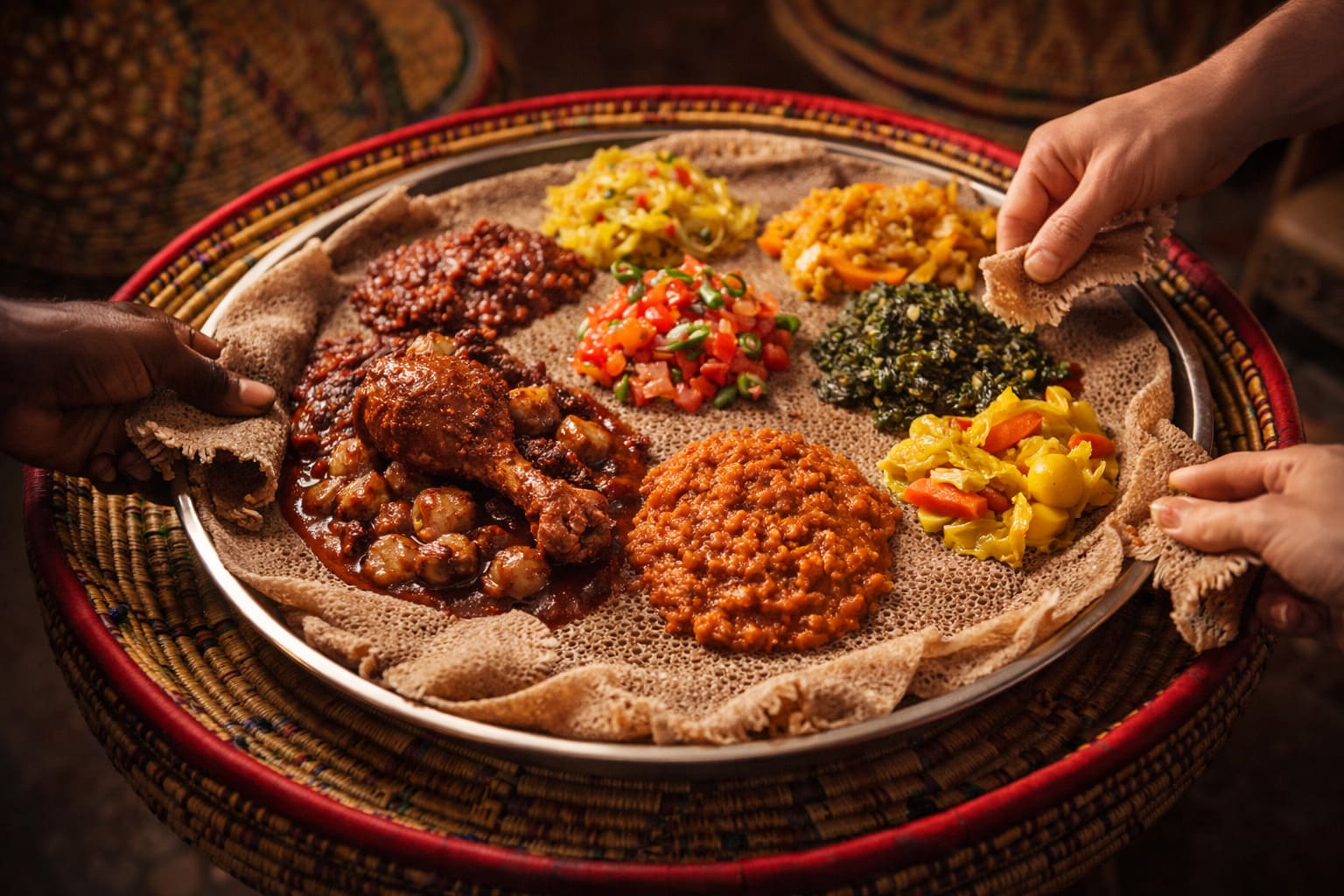
Nobody knows when the first injera was cooked, but the grain behind it was farmed in the Ethiopian and Eritrean highlands by about 1600 BCE. Here is what the evidence shows.
One food history story, delivered every week.