Who Invented Mac and Cheese? Not Jefferson, and Not Kraft
Thomas Jefferson gets the credit and James Hemings gets the correction, but Richard II's master cooks wrote the dish down around 1390, centuries before either man was born.
Every PlateTales food history story tagged Cross-Cultural, newest first.
14 stories · All stories

Thomas Jefferson gets the credit and James Hemings gets the correction, but Richard II's master cooks wrote the dish down around 1390, centuries before either man was born.

Nations did not simply inherit their national dishes. Cookbooks, UNESCO files, government loans and a protest in Rome helped build them, and the record shows how.

Saccharin and corn flakes came from real slips. Potato chips, chocolate chip cookies and Worcestershire sauce are mostly good stories. Here is what the records show.

The oldest bread found so far was baked by hunter-gatherers about 14,400 years ago, thousands of years before farming. From there it runs through Egyptian ovens, Roman handouts and a Missouri bakery.

Nobody knows who made the first cheese, but milk-fat residue on pottery from Poland puts cheesemaking at about 5500 BCE. Here is what the evidence shows, and what the legends add.

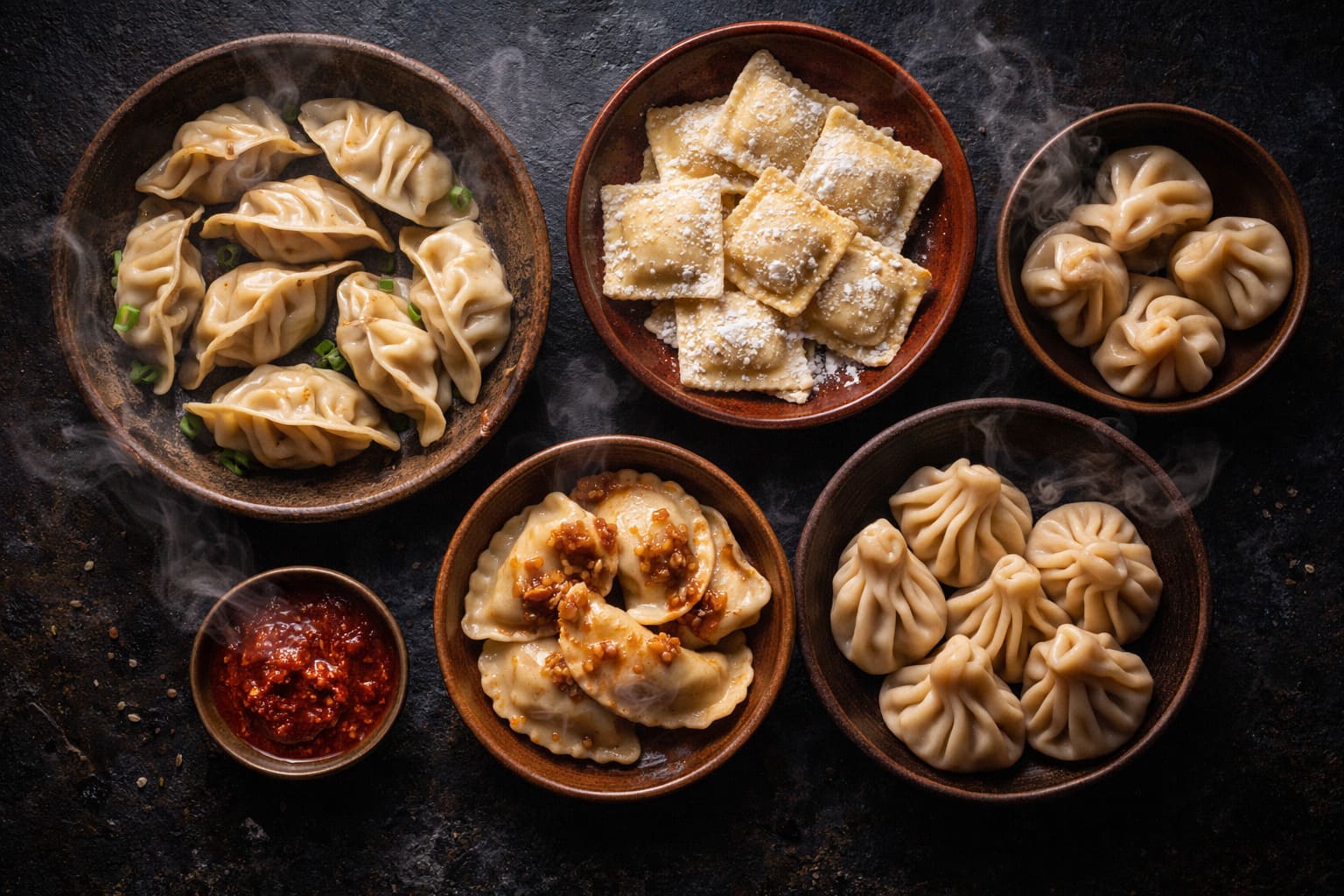
The oldest dumplings ever found came out of a dry tomb in Turpan, dated to about 499 to 640 AD. From there the trail runs to Turkic manti, Italian ravioli, Polish pierogi and Siberian pelmeni.

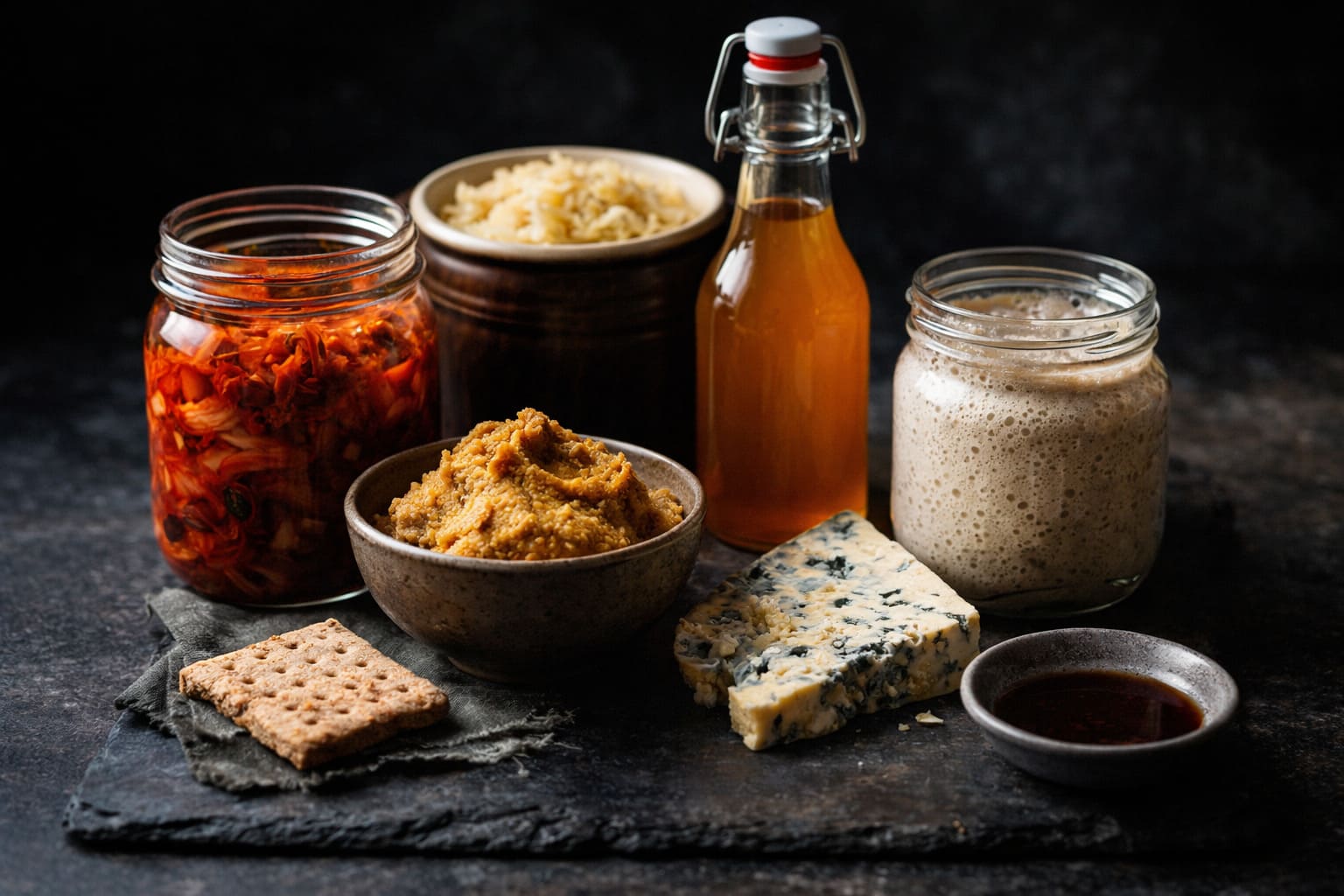
The oldest chemical trace of a fermented drink sits in 9,000-year-old jars from a Chinese village. Here is what the evidence shows, from garum to kimchi to Pasteur.

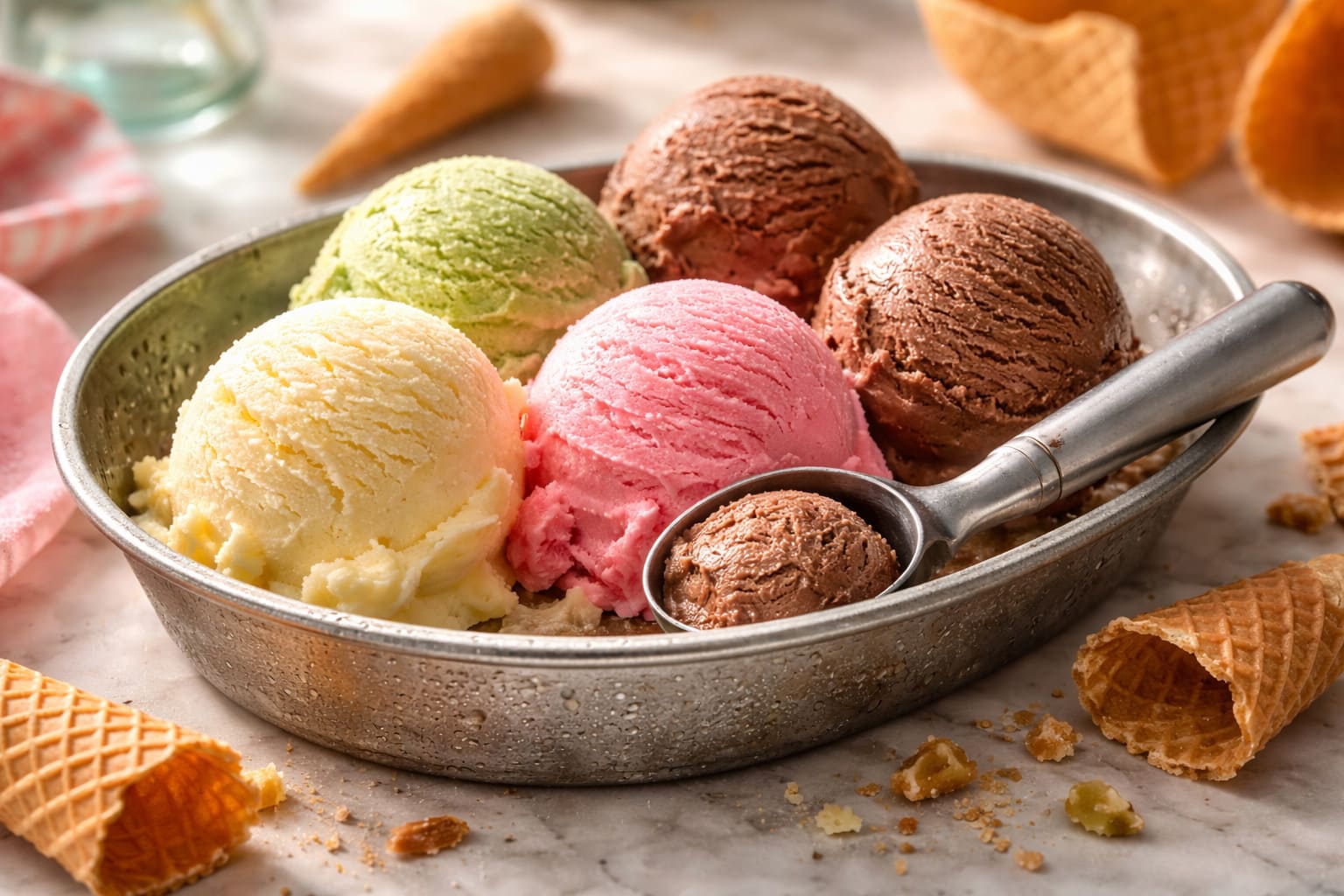
Ice cream has no single inventor. Marco Polo and Catherine de Medici never carried it anywhere, and the documents point to French, English and American hands.

Asian rice was first grown in China's Yangtze basin, and a second species came from the Niger delta. Here is how both reached Carolina, Italy and the age of miracle rice.

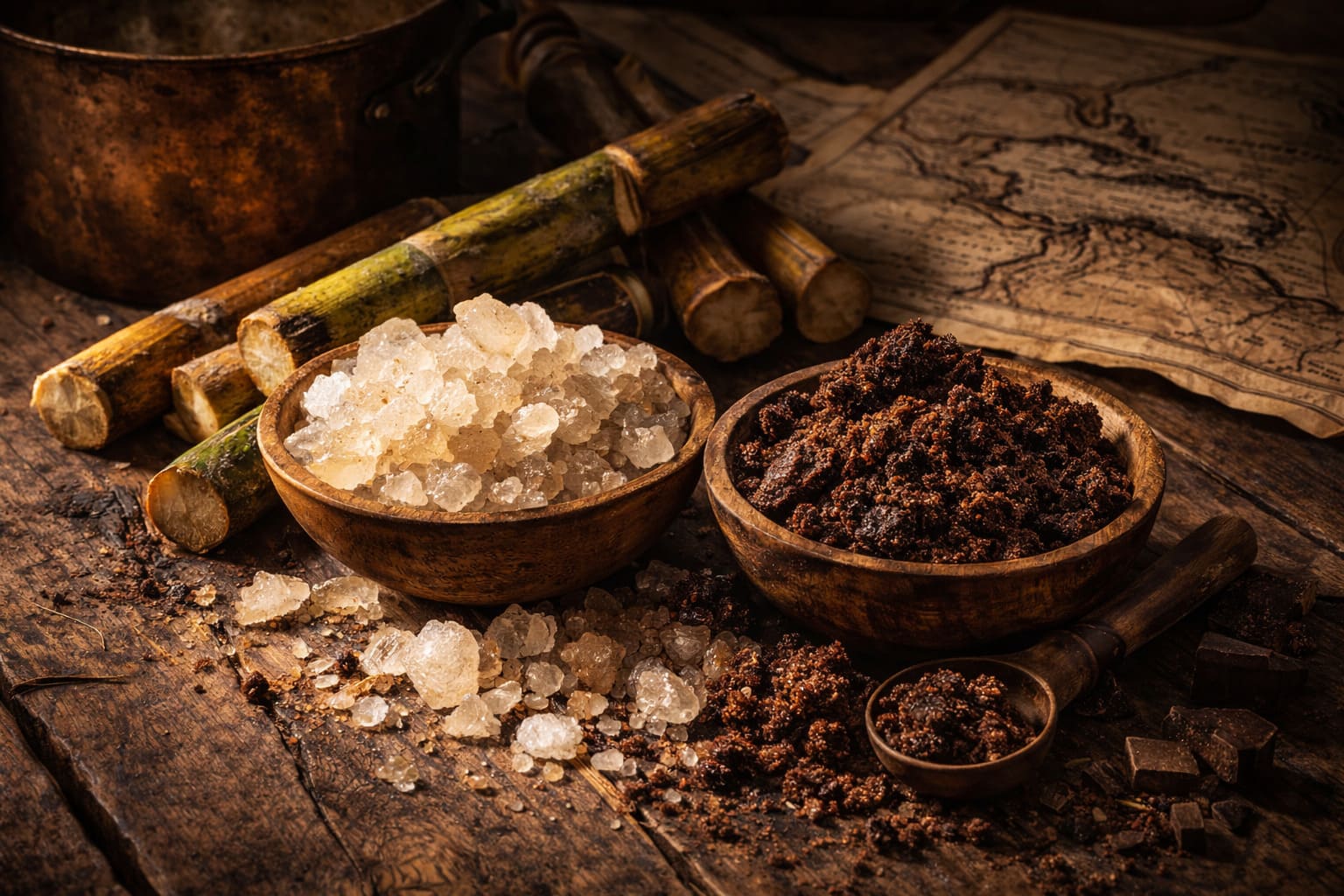
Sugarcane began as a Pacific island grass, became crystals in India and a plantation crop in the Americas from 1493. Millions of enslaved Africans paid for Europe's cheap sugar.

Grapes, walnuts and alfalfa did travel the Silk Road, but wheat and noodles were in China before the road, whatever the legend says. Here is what the evidence supports.

Wedding food traditions run from a Roman wheat cake eaten before ten witnesses to English stacked buns, a white-iced Victorian cake and Japan's nine sips of sake.
One food history story, delivered every week.