When Did Kimchi Become Spicy? The Chili Arrived Late
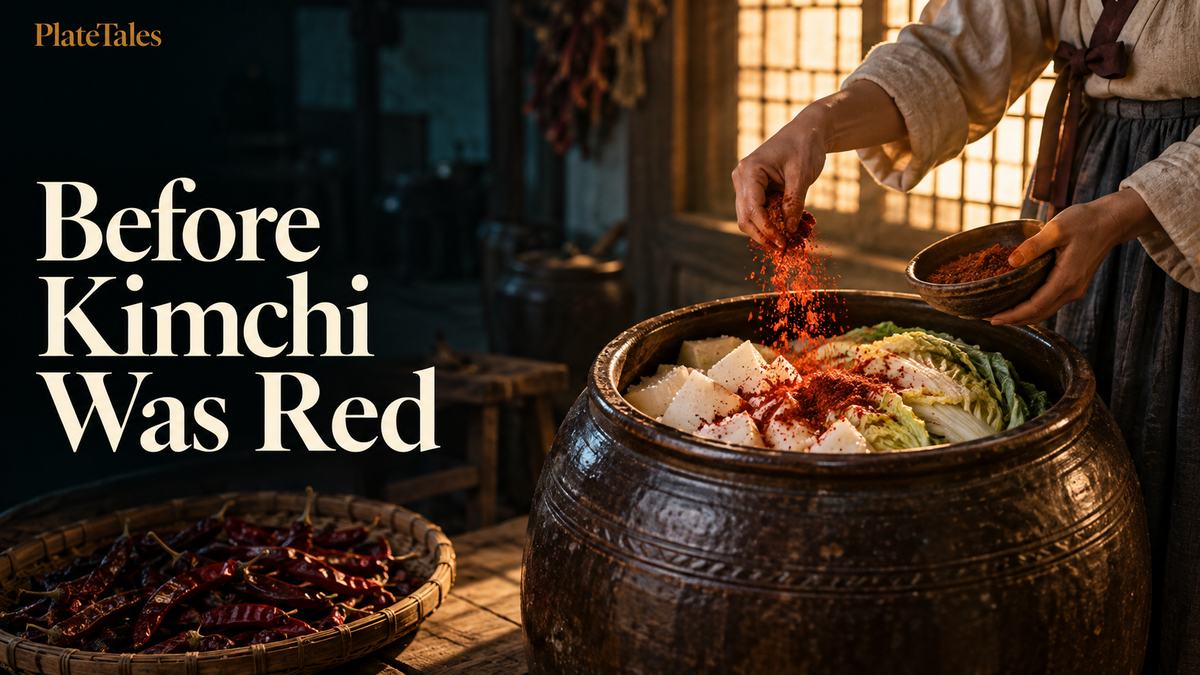
Korea first wrote about the chili in 1614 and called it poisonous. Chili kimchi took another century and a half to fill the cookbooks, and red napa-cabbage kimchi is younger still.
Every PlateTales food history story tagged Trade Routes, newest first.
12 stories · All stories

Korea first wrote about the chili in 1614 and called it poisonous. Chili kimchi took another century and a half to fill the cookbooks, and red napa-cabbage kimchi is younger still.

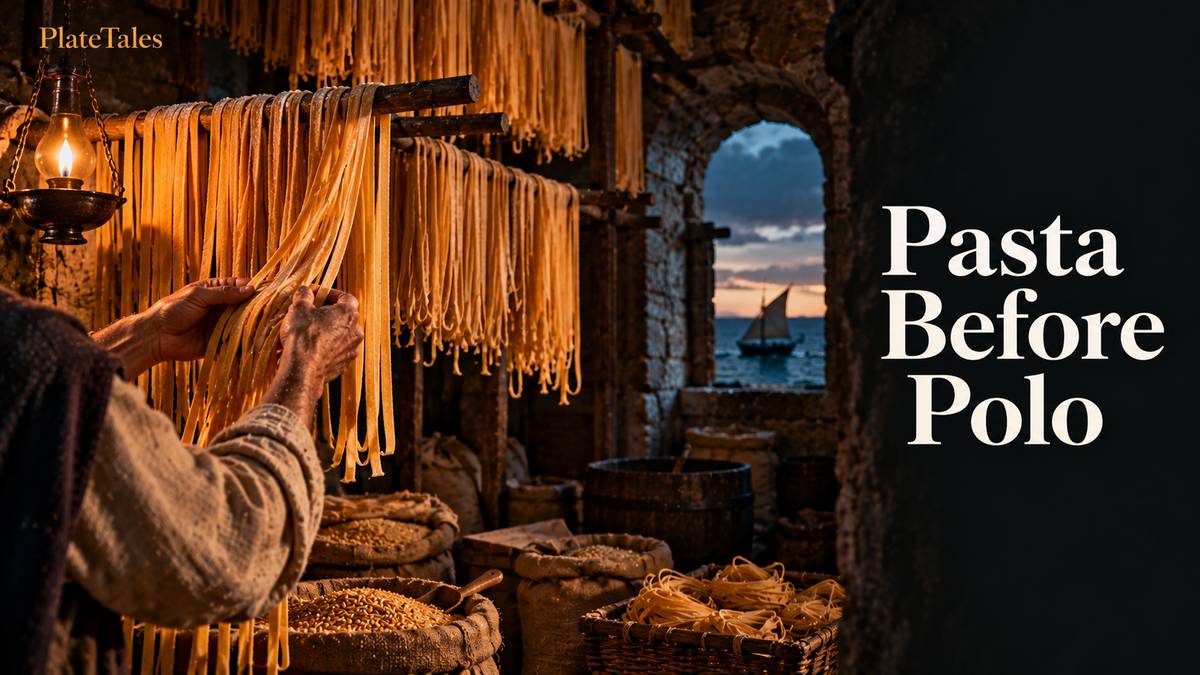
Marco Polo came home to Venice in 1295. Sicilian mills were exporting dried pasta by 1154, and the tale of his sailor named Spaghetti comes from a 1929 American trade journal.

Ketchup was a fish brine before it was a tomato sauce. How a Hokkien word reached a London slang dictionary by 1699, and why the Cantonese tomato theory fails.

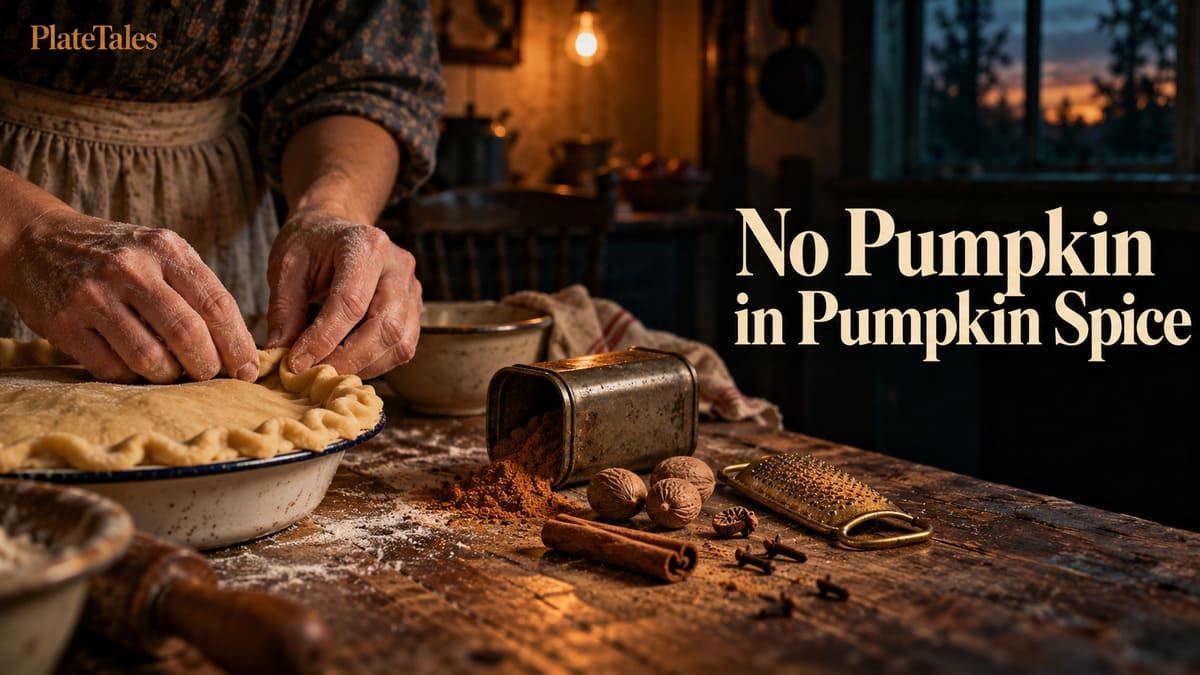
Pumpkin spice is the seasoning for a pumpkin pie, not a flavor made from one. Its paper trail runs from a 1796 Hartford cookbook to 1930s spice tins to a 2003 latte.

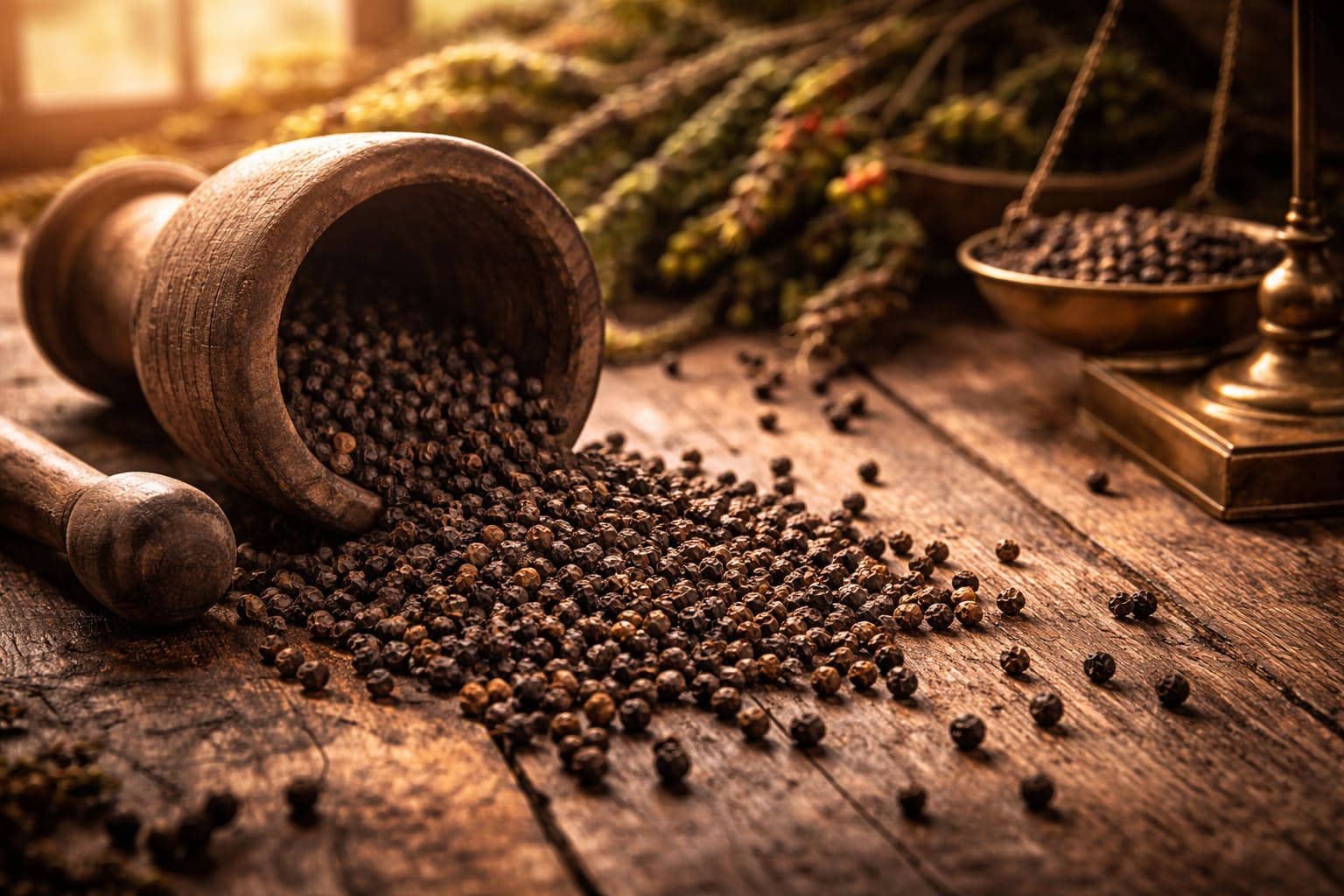
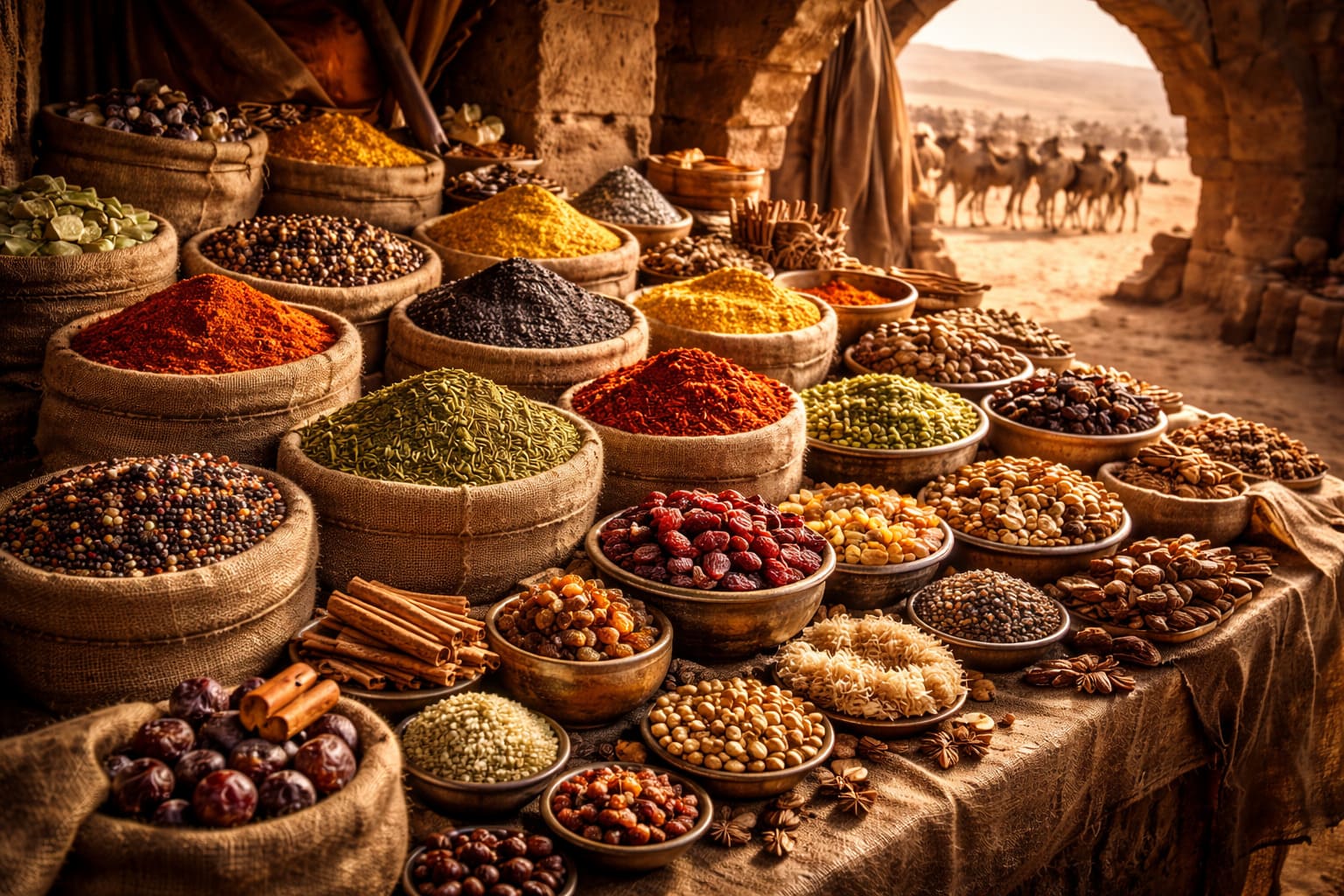
Black pepper began on India's Malabar Coast and crossed the sea to Egypt, Rome and Venice. Here is what the records say about its trade, its prices and the voyages it inspired.

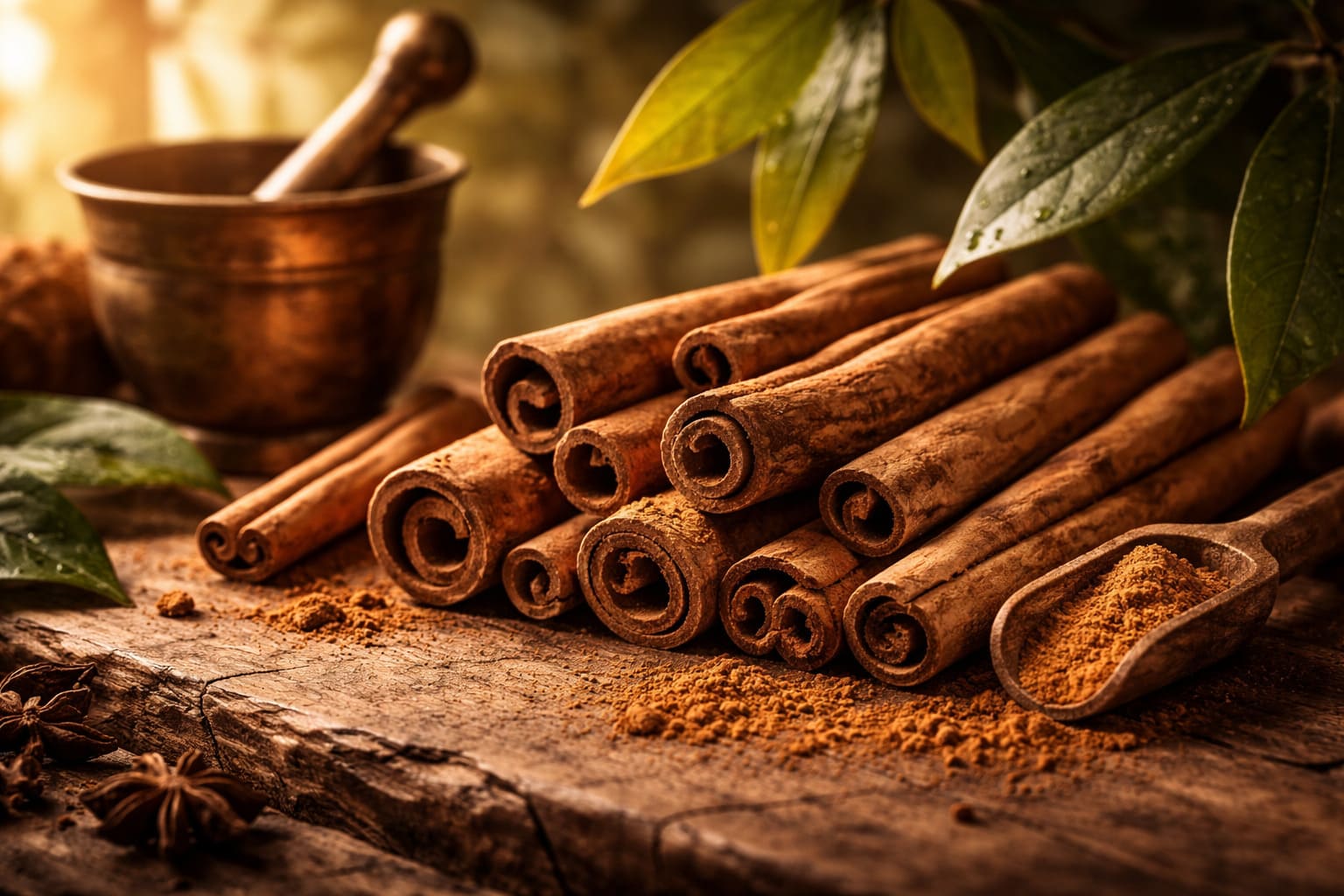
Egypt was importing cinnamon by about 2000 BC, Rome paid fortunes for it, and the Portuguese, Dutch and British took turns controlling the island that grew it.

Coffee grew wild in Ethiopia, but the first drinkers we can document were Sufis in fifteenth-century Yemen. The goatherd Kaldi is a late legend, and the rest of the story is bans, coffeehouses and plantations.

Tea began as a Chinese medicine and became a daily drink, then a cargo that tied together silver, opium, war and revolution. Here is what the records show and which stories are legend.

Vanilla began with the Totonac of Veracruz and became a global crop in 1841, when a twelve-year-old enslaved boy on Réunion found a way to pollinate the orchid by hand.

A Tamil word, an eighteenth-century spice blend and the ships of the British Empire carried curry from India to Glasgow, Tokyo, Durban and Trinidad, changing at every stop.

The tomato reached Italy from the Americas by the 1540s, but it spent about two centuries as a garden curiosity before it became the red sauce we call Italian.

Grapes, walnuts and alfalfa did travel the Silk Road, but wheat and noodles were in China before the road, whatever the legend says. Here is what the evidence supports.
One food history story, delivered every week.