The Real Origin of the Feast of the Seven Fishes
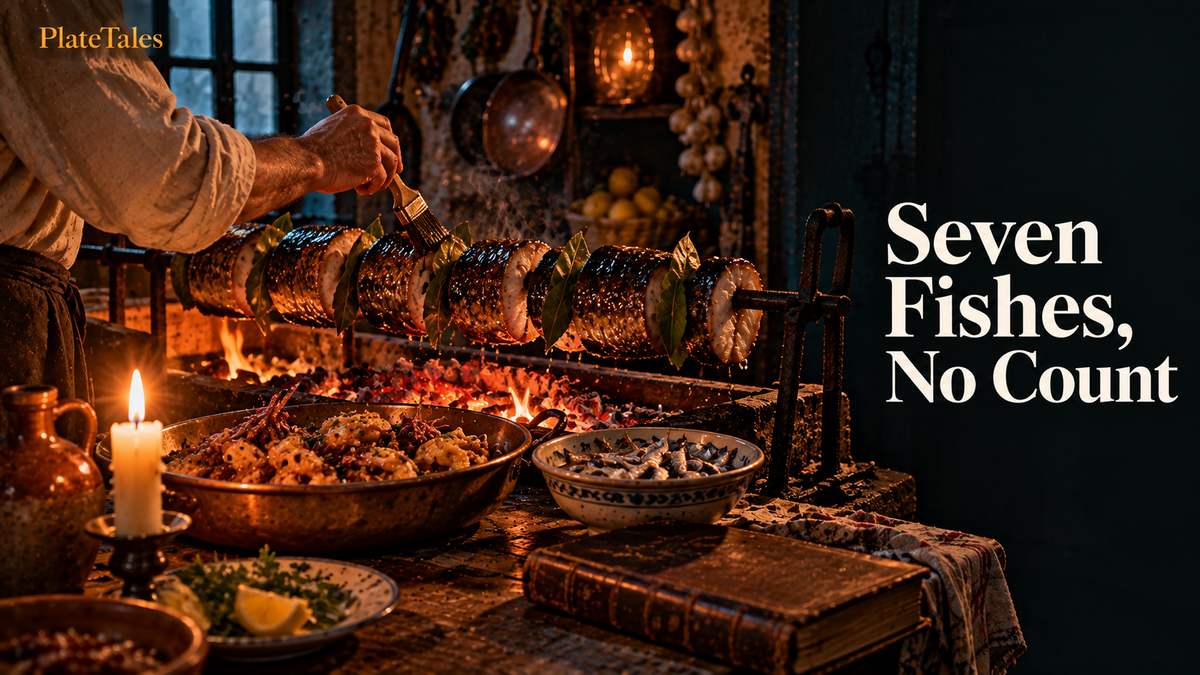
The meatless Christmas Eve supper is southern Italian and in print by 1847. The name and the fixed seven are Italian American, and nobody has found them in print before 1983.
Why we eat what we eat at holidays, weddings and funerals. The history behind the breads, sweets and feasts that mark the calendar.
14 stories · All stories

The meatless Christmas Eve supper is southern Italian and in print by 1847. The name and the fixed seven are Italian American, and nobody has found them in print before 1983.

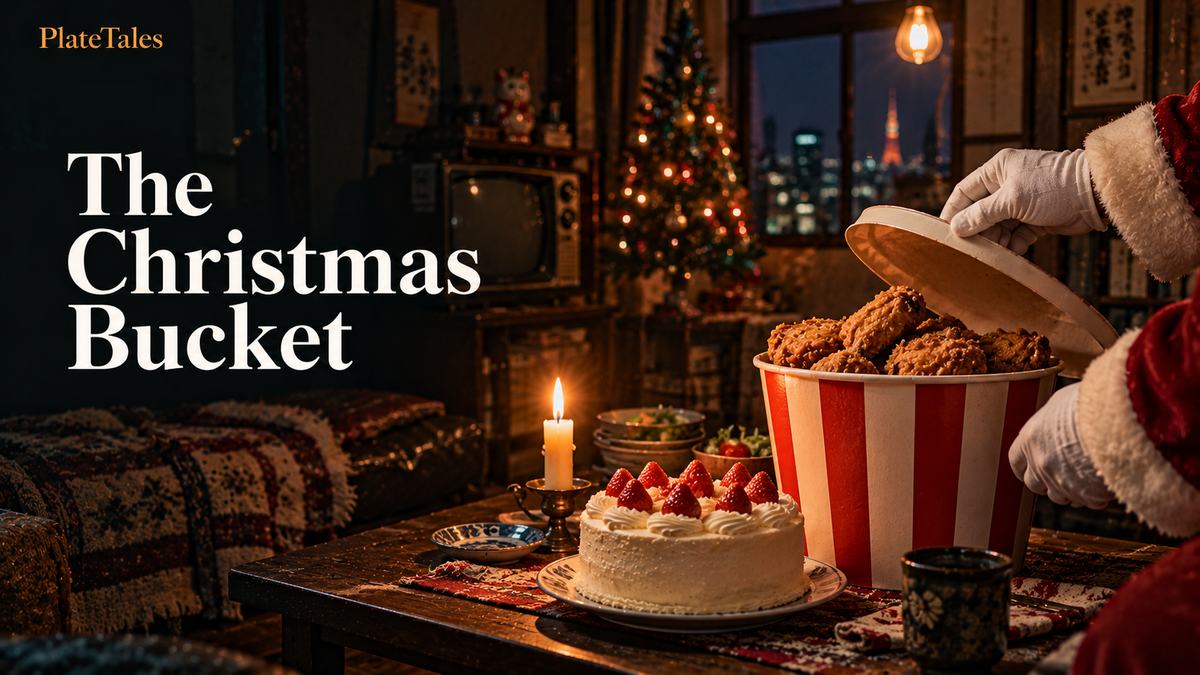
KFC Japan ran its first Christmas campaign in December 1974. The manager who claims the idea admits a white lie, and NHK was teaching Christmas roast chicken in 1959.

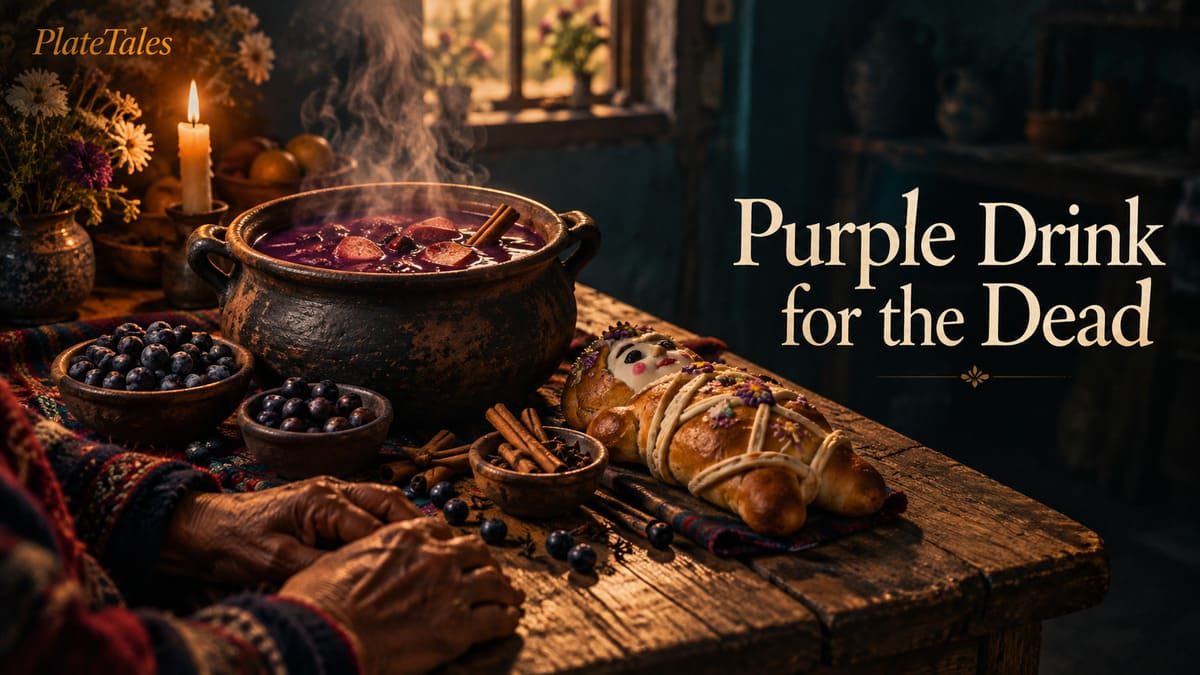
Colada morada and guaguas de pan are Ecuador's food for November 2. Their story mixes Andean ancestor rites with a Spanish church calendar, and the usual dates do not hold up.

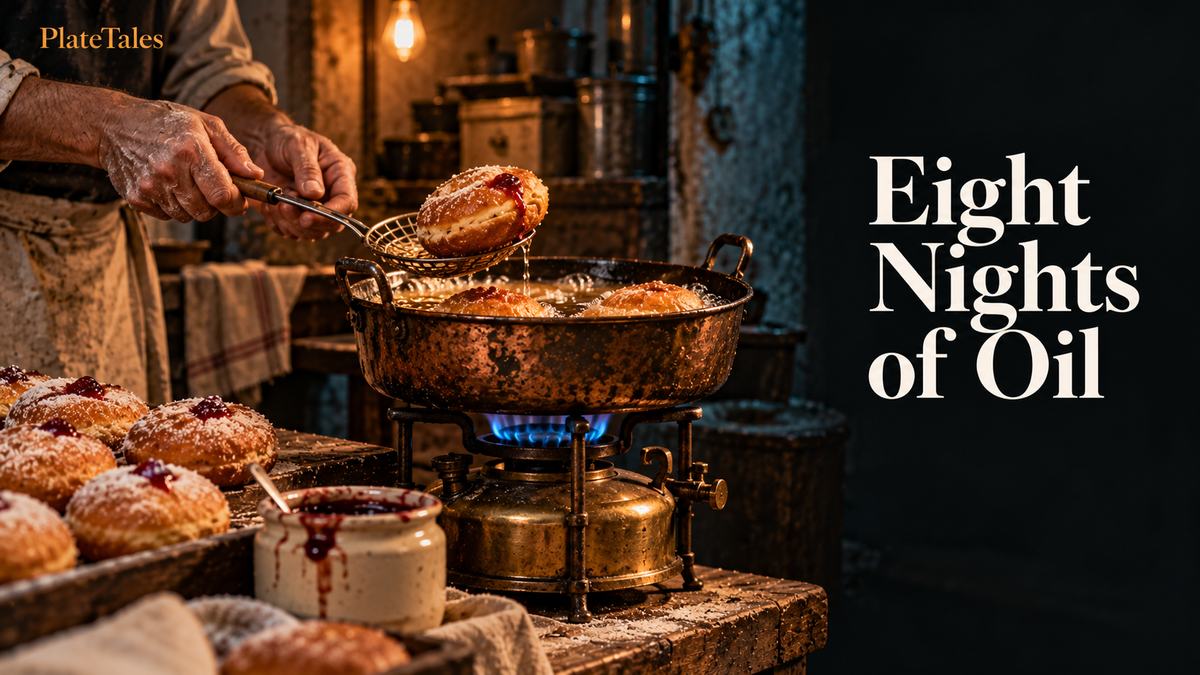
The oil explains the frying. The jam came from German Carnival baking, and a labor union in 1920s Palestine may explain why the bakery doughnut won.

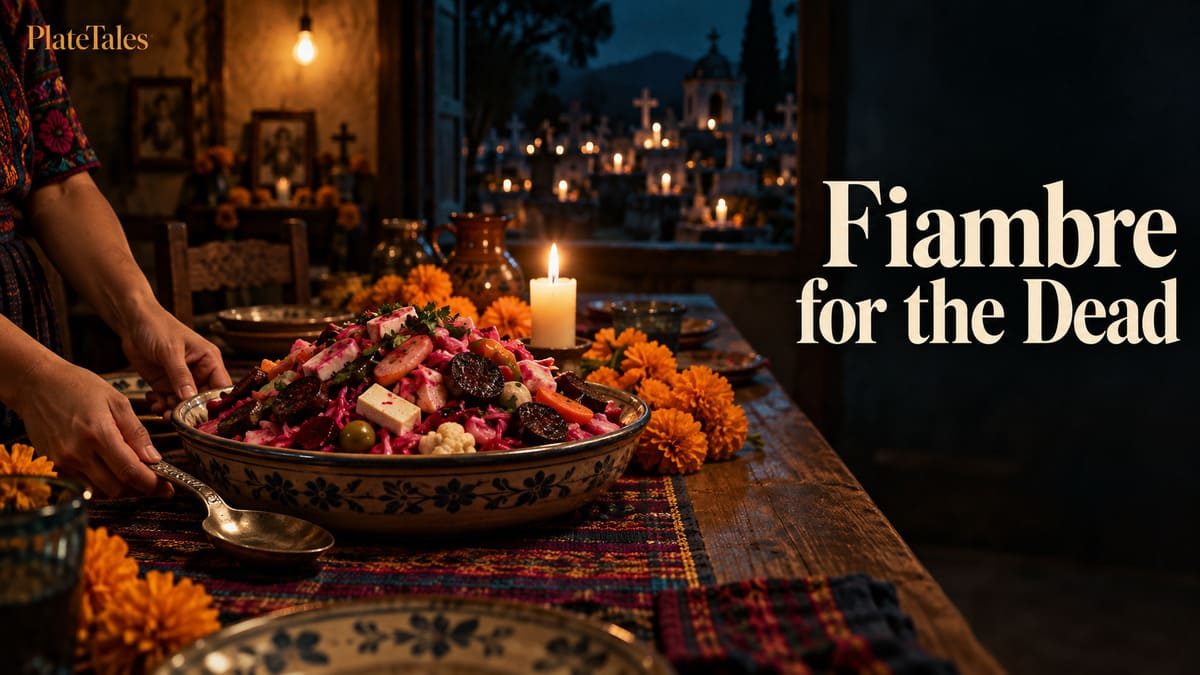
Fiambre is a cold Guatemalan salad of pickles, sausages and cheese, made for 1 November. Its origin is unrecorded, so here is what the evidence supports.

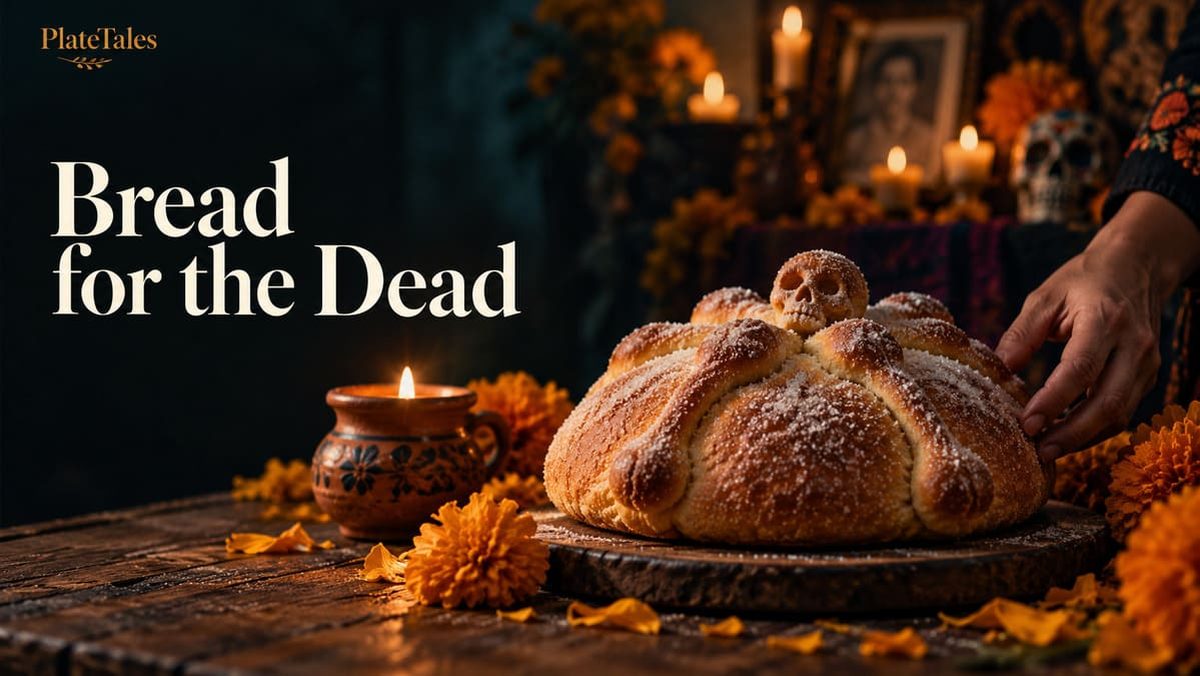
Pan de muerto looks like an ancient Aztec offering, but its wheat, sugar and eggs came from Spain. Here is what the sources say about the bones, the legend and the rival origins.

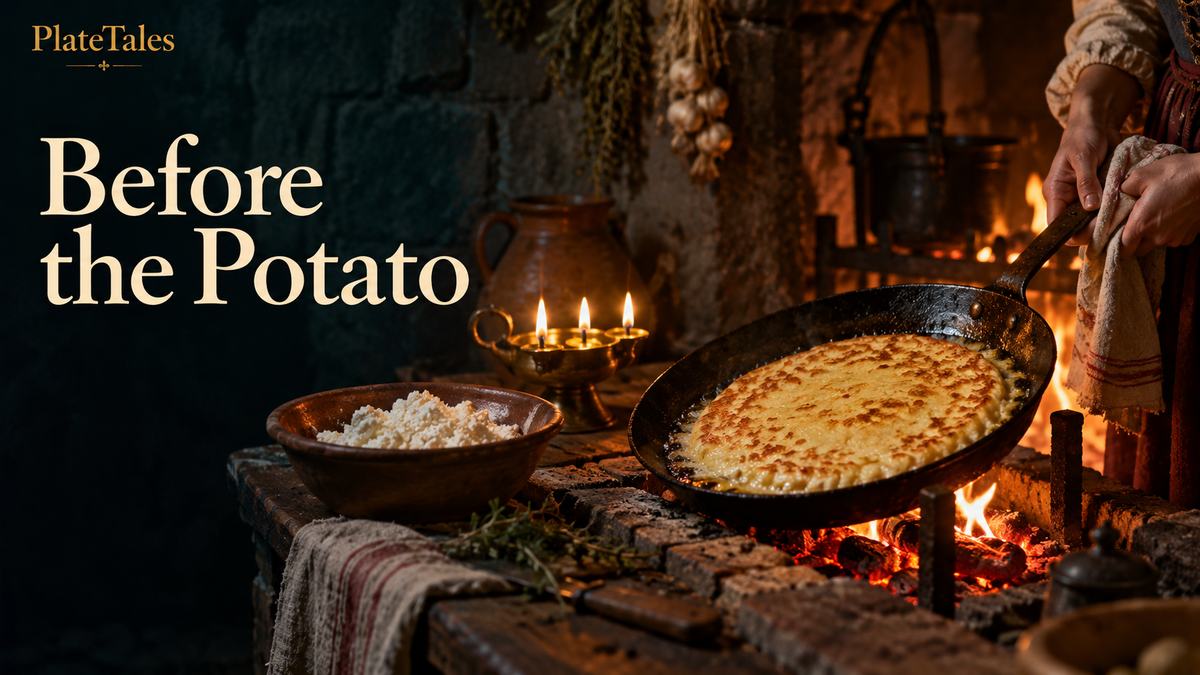
The Hanukkah pancake is at least 700 years old and the potato in it is under 200. Before that it was cheese, then buckwheat fried in goose fat.

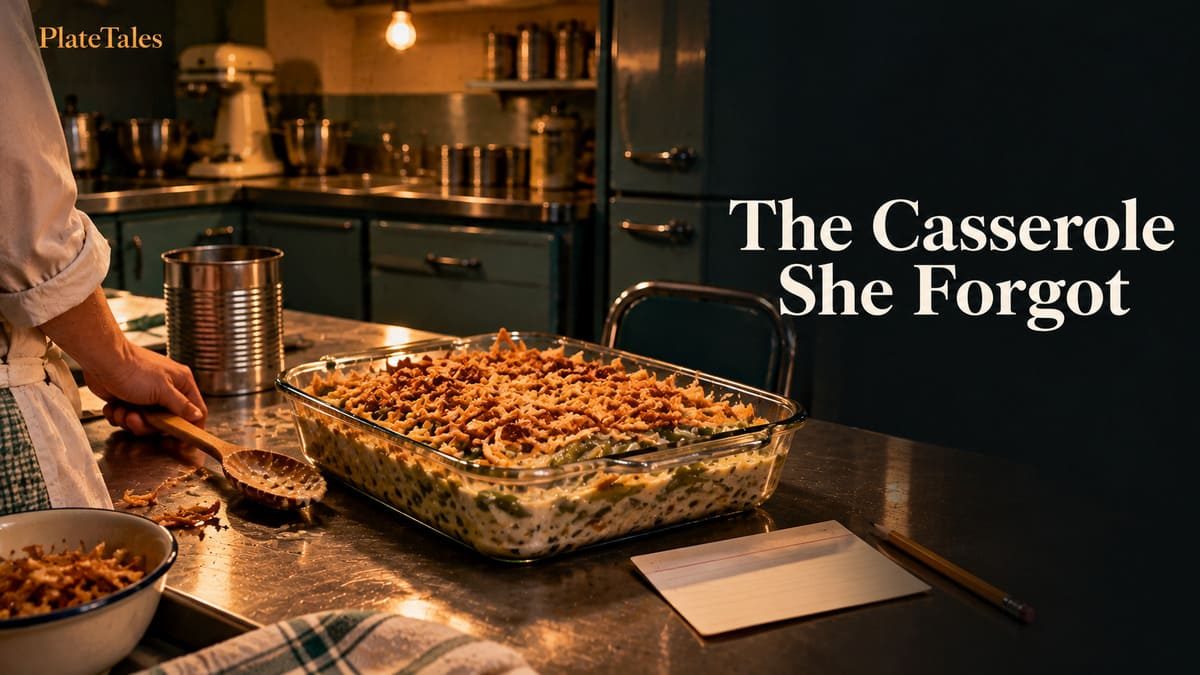
Dorcas Reilly put green bean casserole together in a Campbell's test kitchen in 1955. Fifty years on, she told a reporter she could not recall doing it.

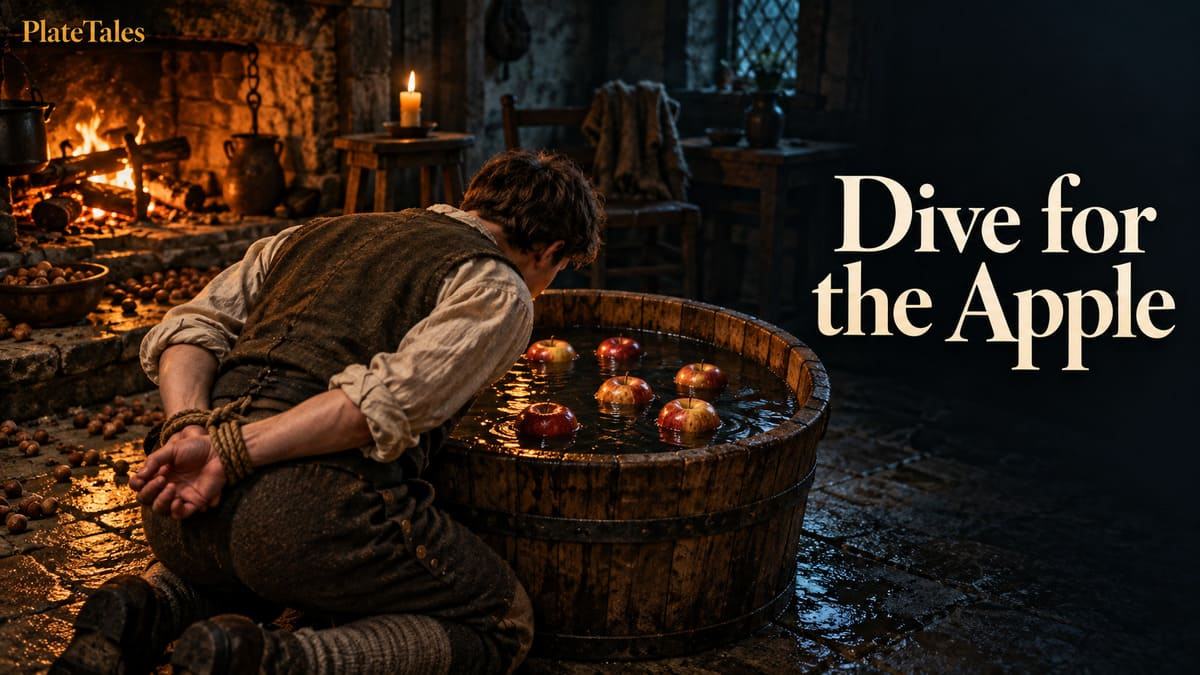
The oldest descriptions of the game, from 1777 and the 1780s, call it diving and dipping. The Roman goddess and the future husband were written in later.

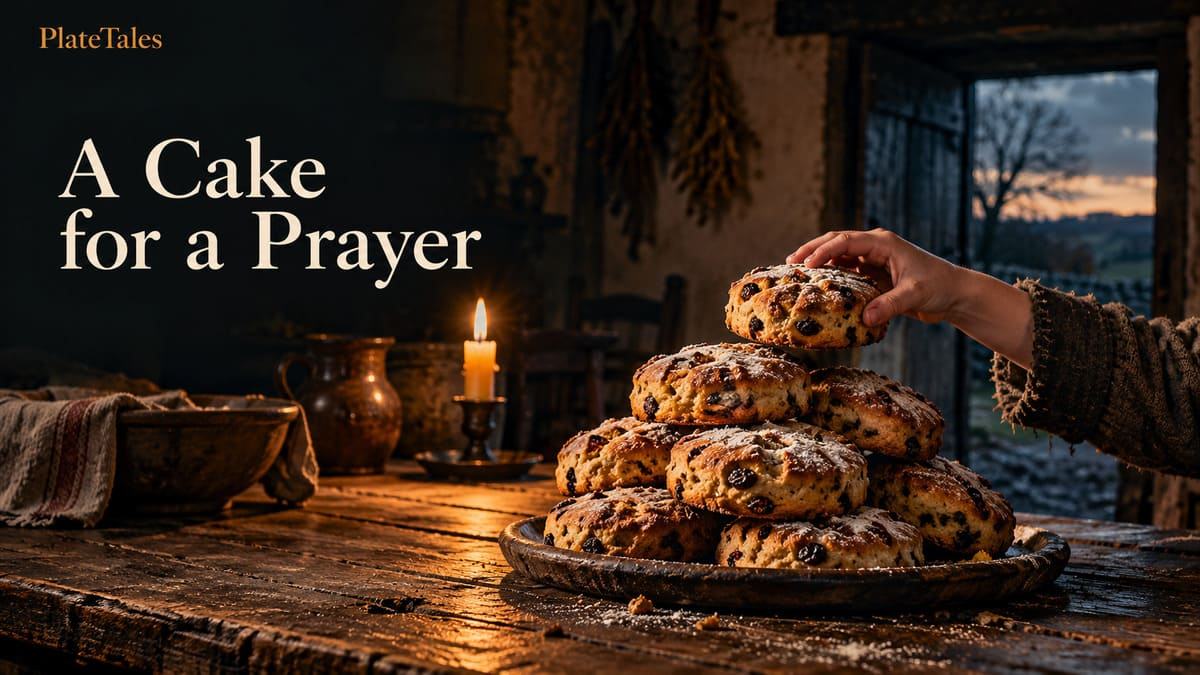
Soul cakes were small spiced cakes handed out around All Souls' Day in return for prayers for the dead. Whether they became trick-or-treating is a harder question than most pages admit.

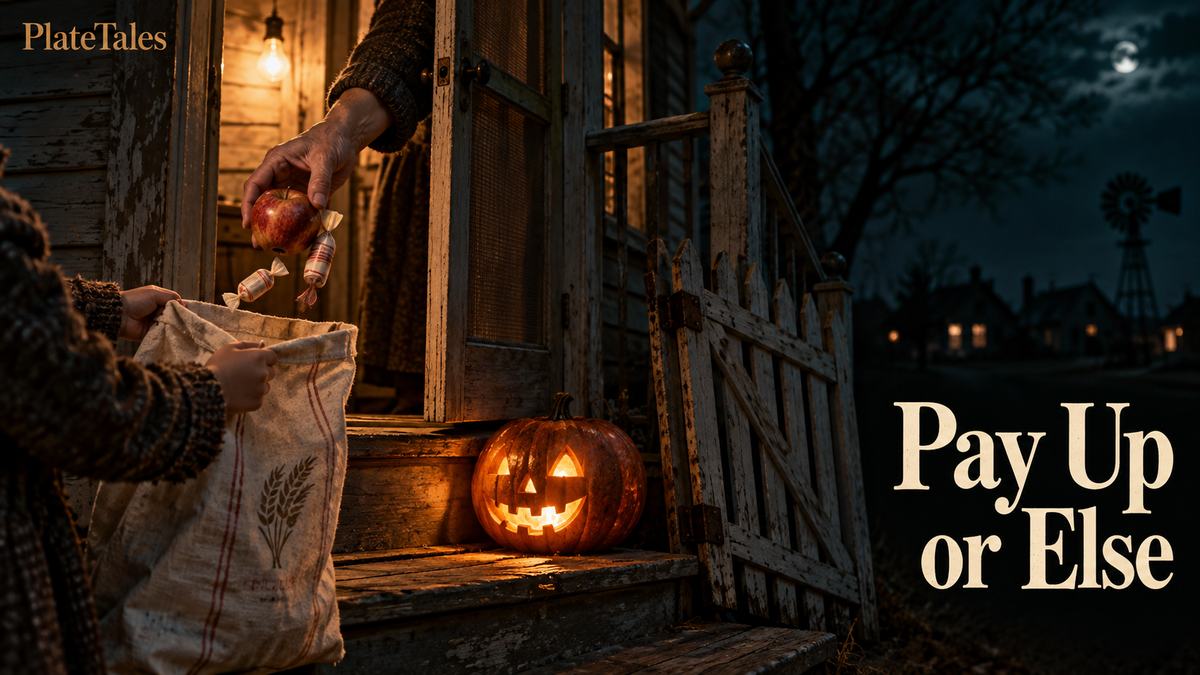
Trick-or-treating began as a protection racket run by children, and for decades the payoff was apples, nuts or coins. Candy took over only in the 1950s.

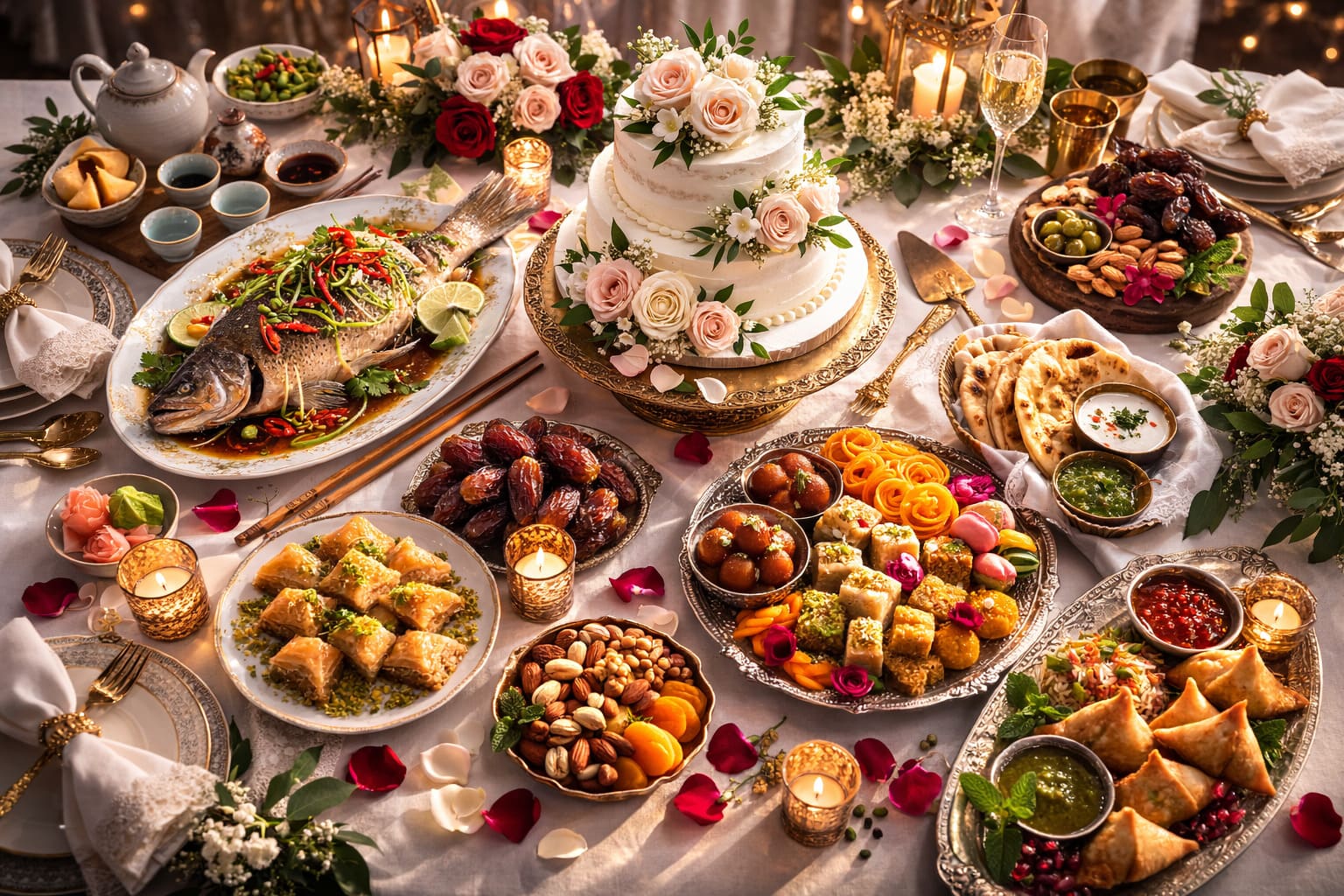
Wedding food traditions run from a Roman wheat cake eaten before ten witnesses to English stacked buns, a white-iced Victorian cake and Japan's nine sips of sake.
One food history story, delivered every week.