Why Is Spam So Popular in Hawaii? Start With the Fishing Ban
GIs brought the cans, but martial law kept Hawaii's Japanese fishermen ashore in 1941, and a plantation habit of rice with salty canned meat gave Spam somewhere to stay.
Food as who we are: national dishes, contested origins and the recipes that communities hold onto. Why a plate of food can carry so much meaning.
18 stories · All stories

GIs brought the cans, but martial law kept Hawaii's Japanese fishermen ashore in 1941, and a plantation habit of rice with salty canned meat gave Spam somewhere to stay.

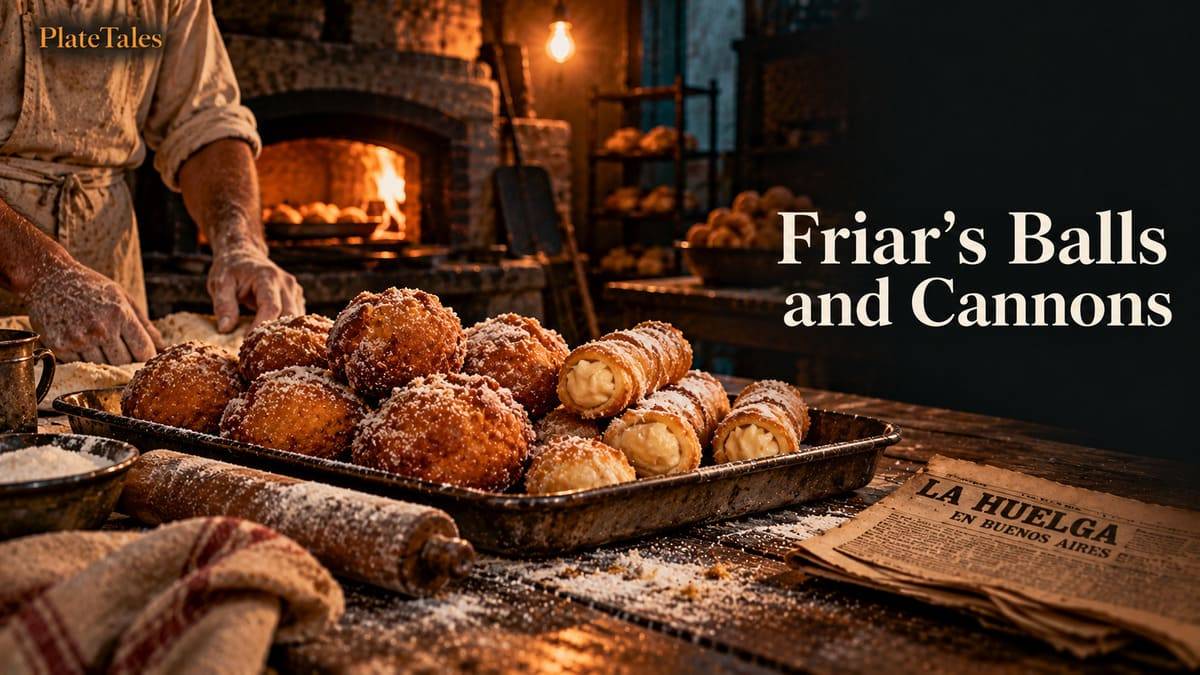
Bolas de fraile, vigilantes and cañoncitos are said to be jokes by anarchist bakers in 1888. The strike is documented. The joke itself is harder to prove.

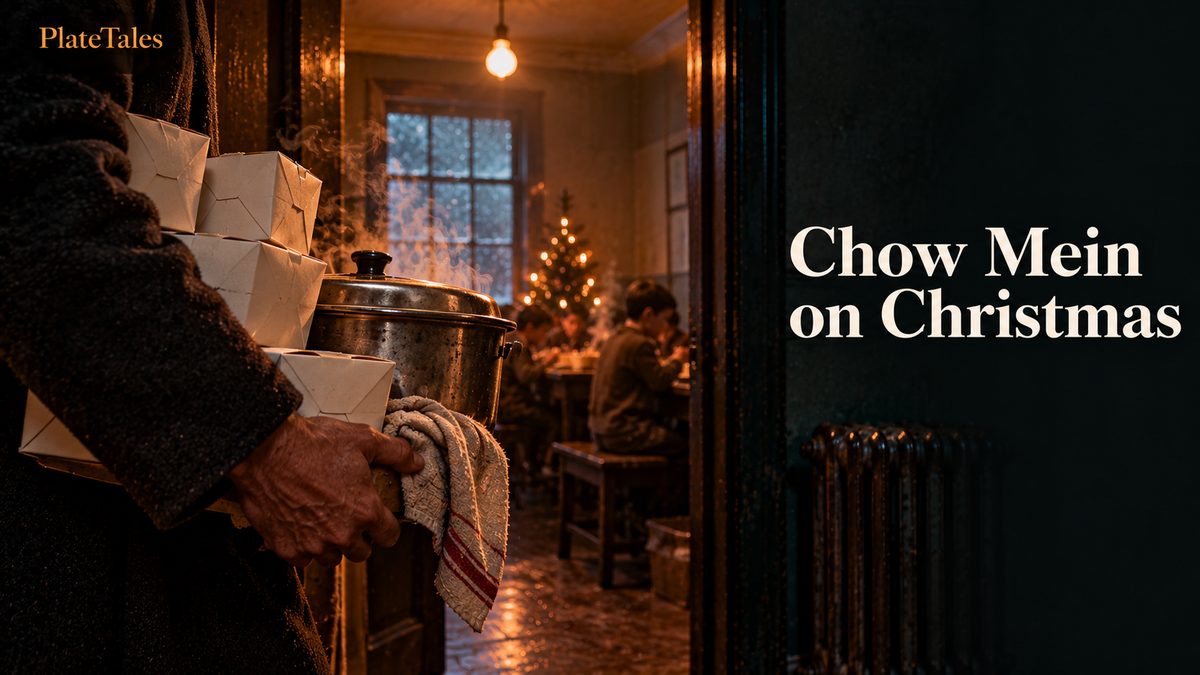
In 1899 a New York Jewish weekly scolded readers for eating in Chinese restaurants. By 1935 chow mein was arriving at a Newark children's home on Christmas Day.

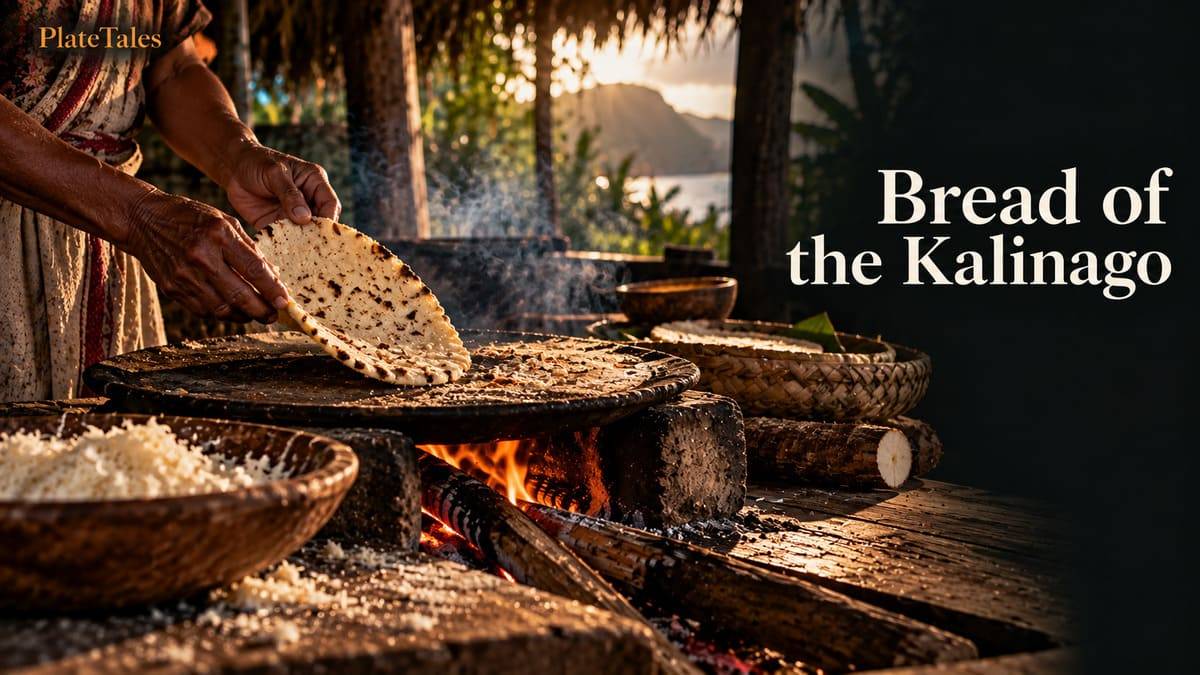
Kalinago cassava bread is a squeezed, griddle-baked flatbread older than Columbus. Here is how it is made and how the Kalinago Territory of Dominica came to exist in 1903.

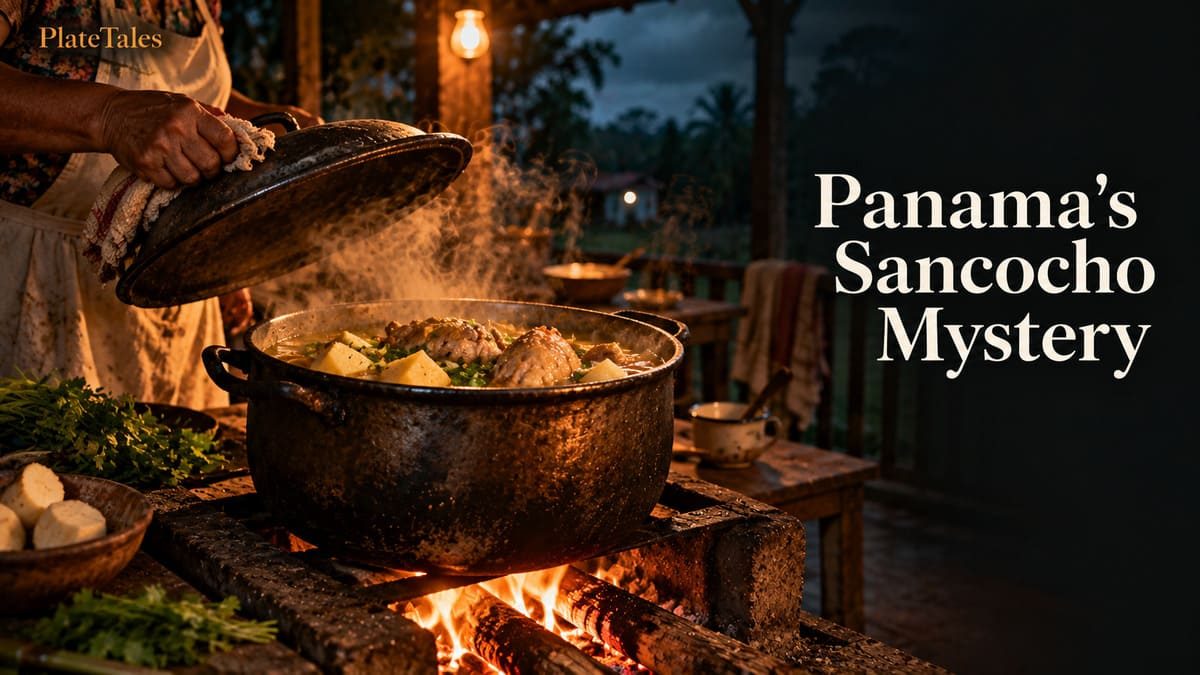
Panama's chicken and ñame soup is called the national dish, yet its origin is still argued over. Here is what a 2019 documentary, the Canary Islands and the word itself suggest.

KFC Japan ran its first Christmas campaign in December 1974. The manager who claims the idea admits a white lie, and NHK was teaching Christmas roast chicken in 1959.

Fungee and pepperpot is the national dish of Antigua and Barbuda. Its African cousins are clear, its exact history is not, and here is what the sources support.

The oil explains the frying. The jam came from German Carnival baking, and a labor union in 1920s Palestine may explain why the bakery doughnut won.

Pan de muerto looks like an ancient Aztec offering, but its wheat, sugar and eggs came from Spain. Here is what the sources say about the bones, the legend and the rival origins.

Thomas Jefferson gets the credit and James Hemings gets the correction, but Richard II's master cooks wrote the dish down around 1390, centuries before either man was born.

A Glasgow restaurateur said he invented chicken tikka masala for a customer who found his tikka dry. The tin of tomato soup in the story was a joke told to journalists.

The first pecan pie in print dates to February 1886 and was a milk custard with boiled nuts. The syrup pie, the New Orleans legend and the Karo story all came later.
One food history story, delivered every week.