Kalinago Cassava Bread and the Territory of Dominica
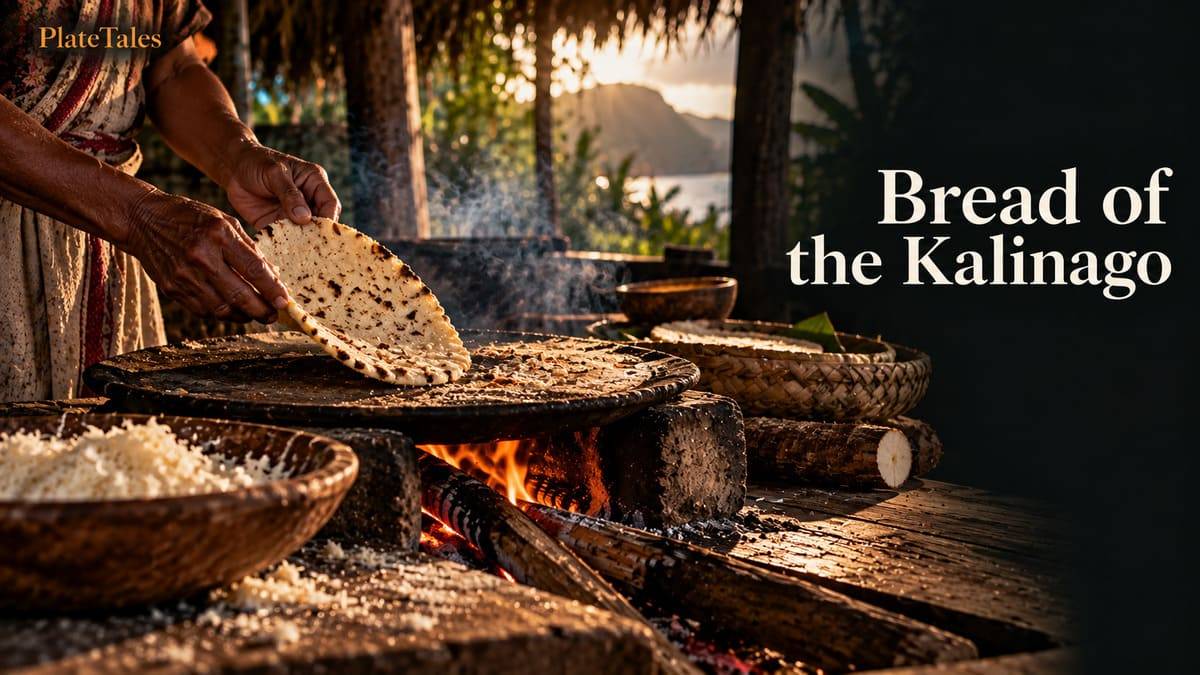
Kalinago cassava bread is a squeezed, griddle-baked flatbread older than Columbus. Here is how it is made and how the Kalinago Territory of Dominica came to exist in 1903.
Every PlateTales food history story tagged Colonialism, newest first.
11 stories · All stories

Kalinago cassava bread is a squeezed, griddle-baked flatbread older than Columbus. Here is how it is made and how the Kalinago Territory of Dominica came to exist in 1903.

Panama's chicken and ñame soup is called the national dish, yet its origin is still argued over. Here is what a 2019 documentary, the Canary Islands and the word itself suggest.

Fungee and pepperpot is the national dish of Antigua and Barbuda. Its African cousins are clear, its exact history is not, and here is what the sources support.

Pan de muerto looks like an ancient Aztec offering, but its wheat, sugar and eggs came from Spain. Here is what the sources say about the bones, the legend and the rival origins.

Pumpkin spice is the seasoning for a pumpkin pie, not a flavor made from one. Its paper trail runs from a 1796 Hartford cookbook to 1930s spice tins to a 2003 latte.

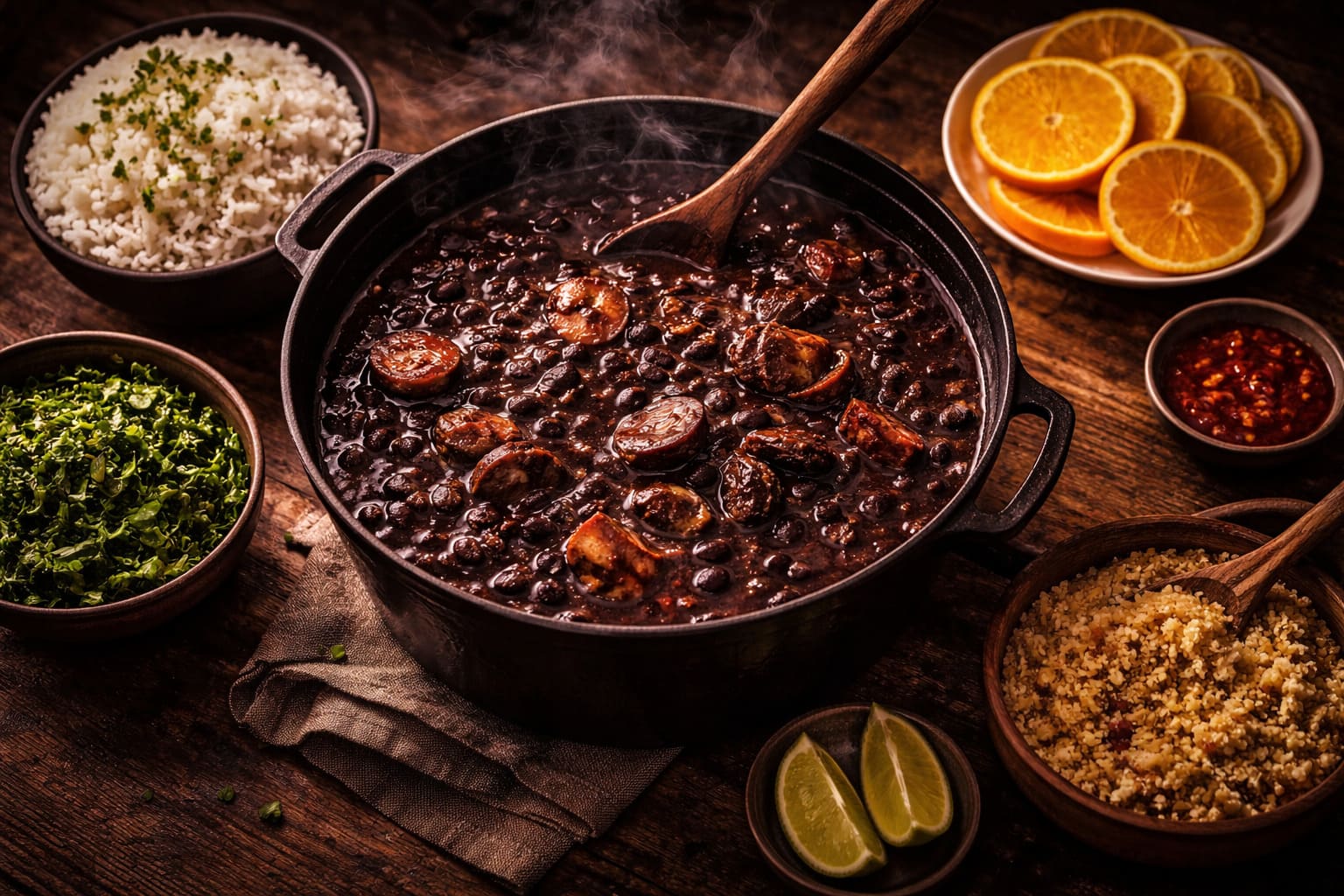
Brazilians say enslaved cooks made feijoada from scraps. The records show a Portuguese-style stew advertised in Recife in 1827, and a full meal that came later.

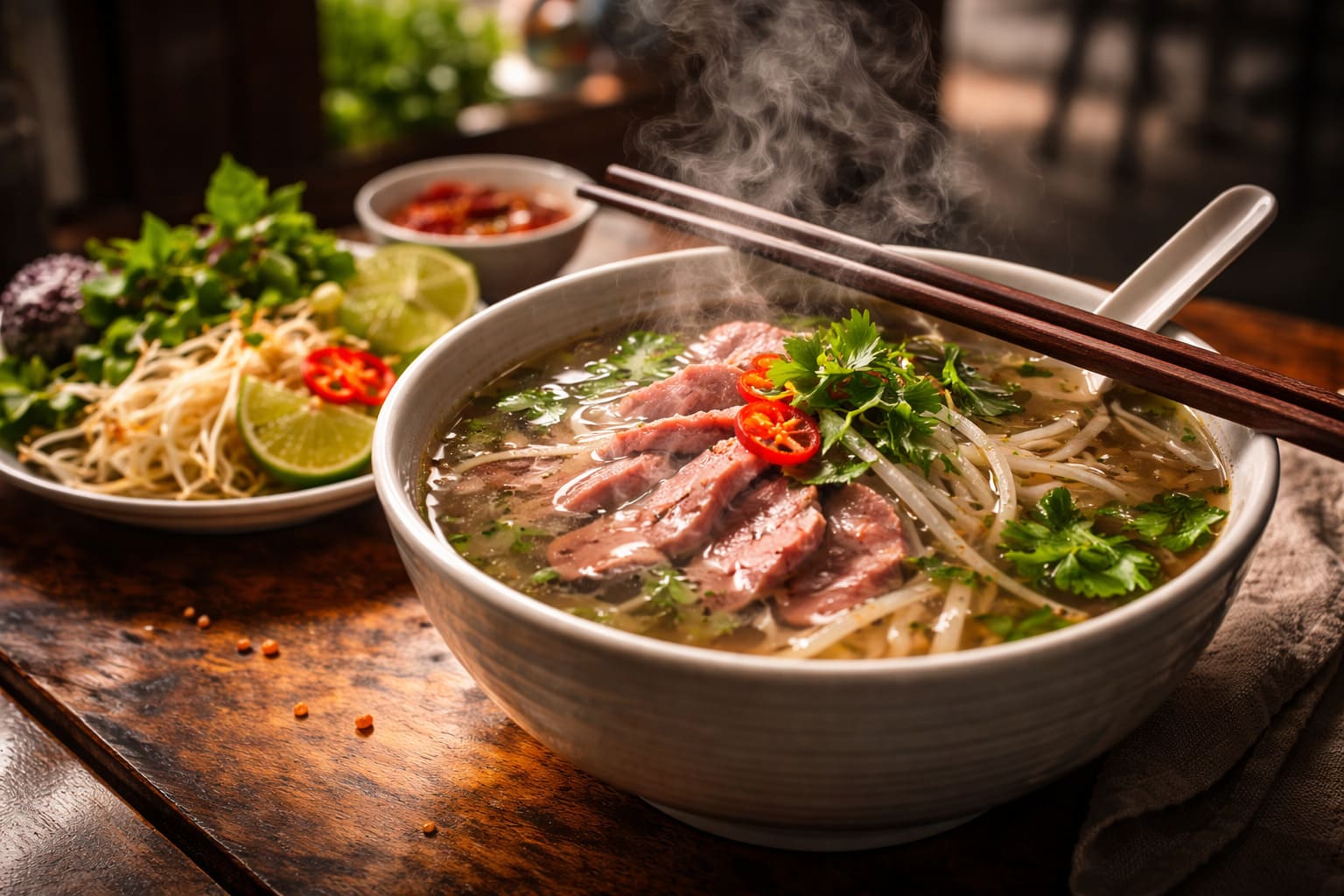
Pho is not ancient. It took shape in northern Vietnam in the early 1900s under French rule, and its beef, its name and its birthplace are still argued over.

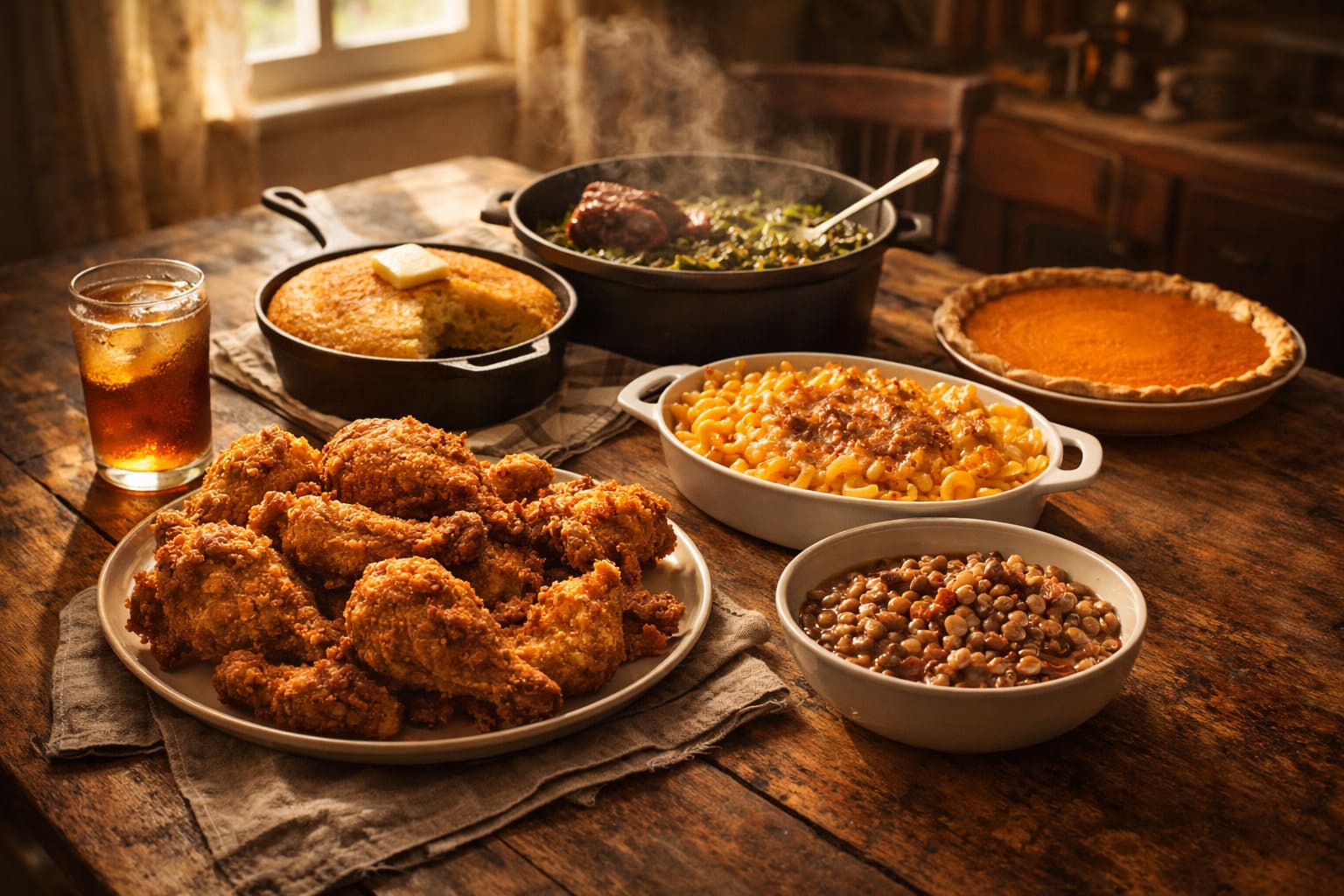
Soul food grew from the foods and skills of enslaved Africans in the American South. The name only caught on in the 1960s, and people argued about it from the start.

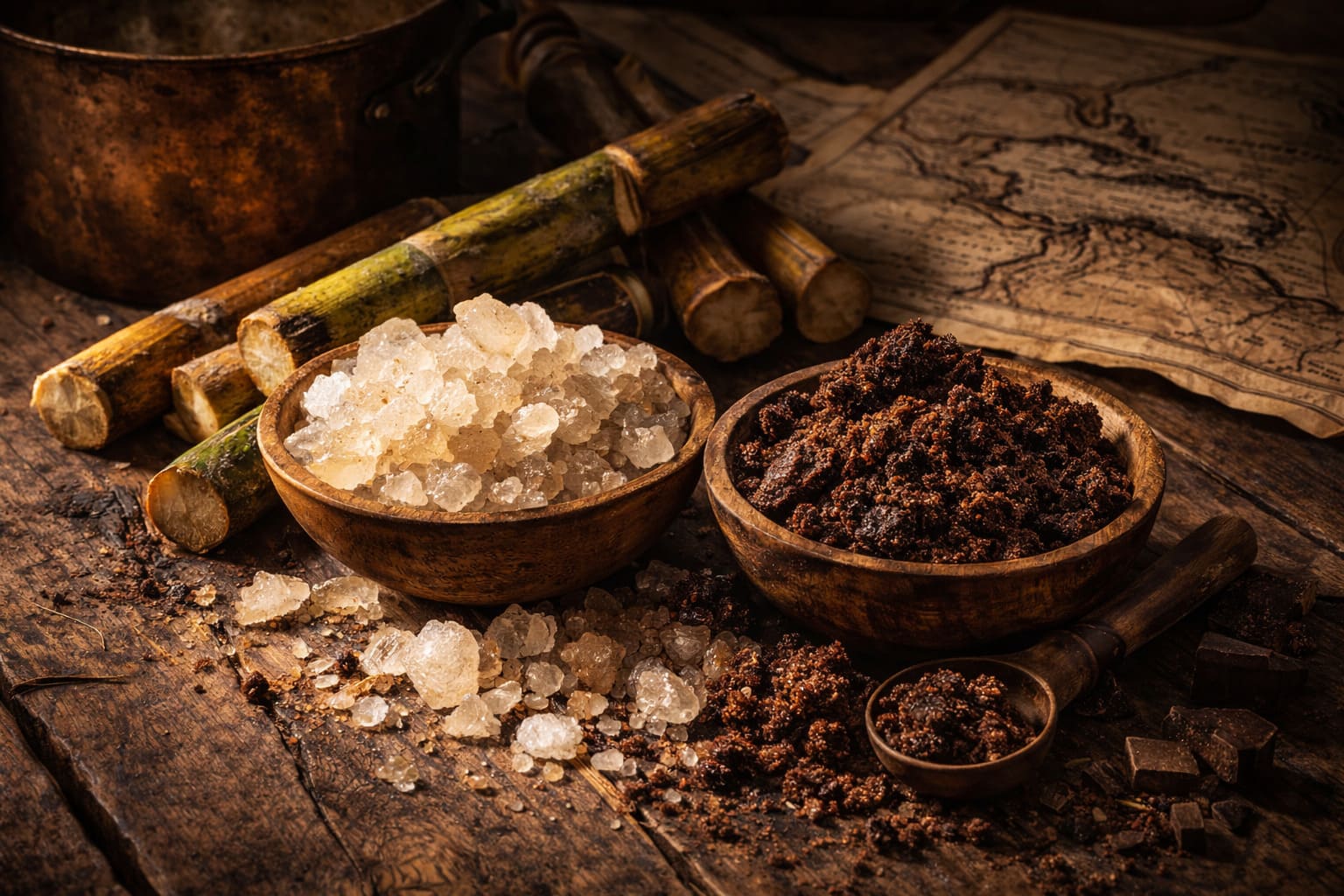
Sugarcane began as a Pacific island grass, became crystals in India and a plantation crop in the Americas from 1493. Millions of enslaved Africans paid for Europe's cheap sugar.

The potato reached Spain around 1570, spent two centuries as a suspect curiosity, then became a staple from Ireland to Prussia. Most of the famous stories about its rise are myths.

Two eyewitness documents describe Plymouth in 1621: wild fowl, five deer and three days of feasting. The turkey-and-pie menu came two centuries later.
One food history story, delivered every week.