Latin AmericanMigration
Argentine Pastry Names and the Anarchist Bakers
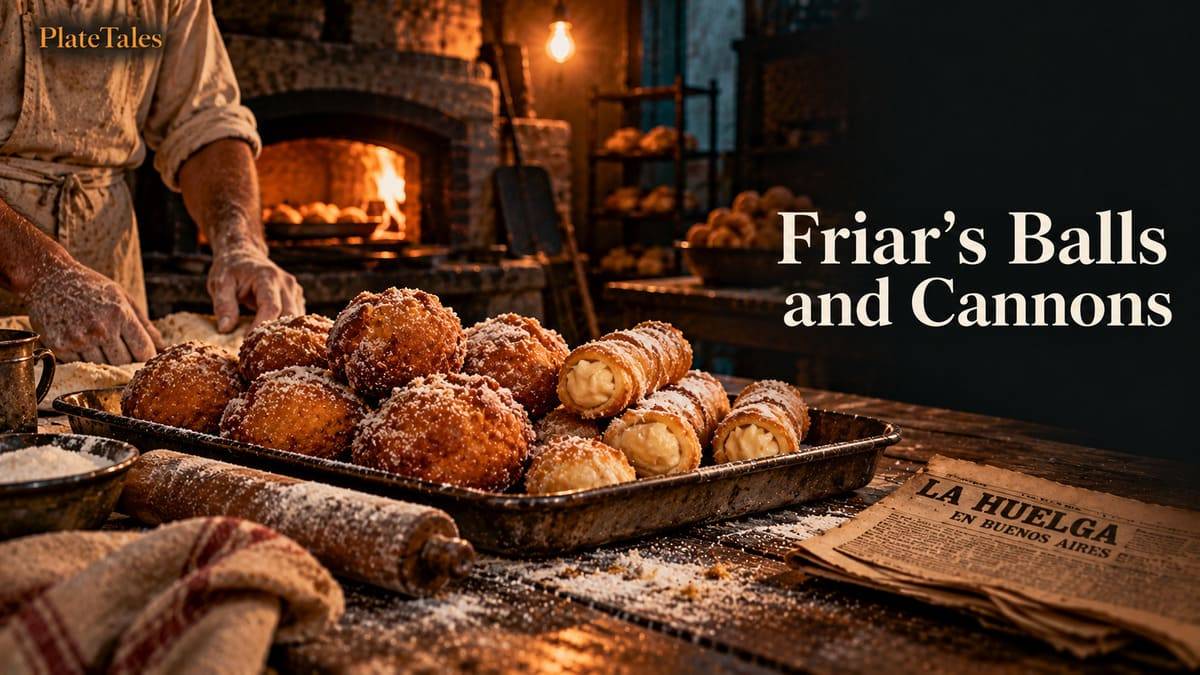
Bolas de fraile, vigilantes and cañoncitos are said to be jokes by anarchist bakers in 1888. The strike is documented. The joke itself is harder to prove.
6 min read
Every PlateTales food history story tagged Migration, newest first.
11 stories · All stories
Bolas de fraile, vigilantes and cañoncitos are said to be jokes by anarchist bakers in 1888. The strike is documented. The joke itself is harder to prove.
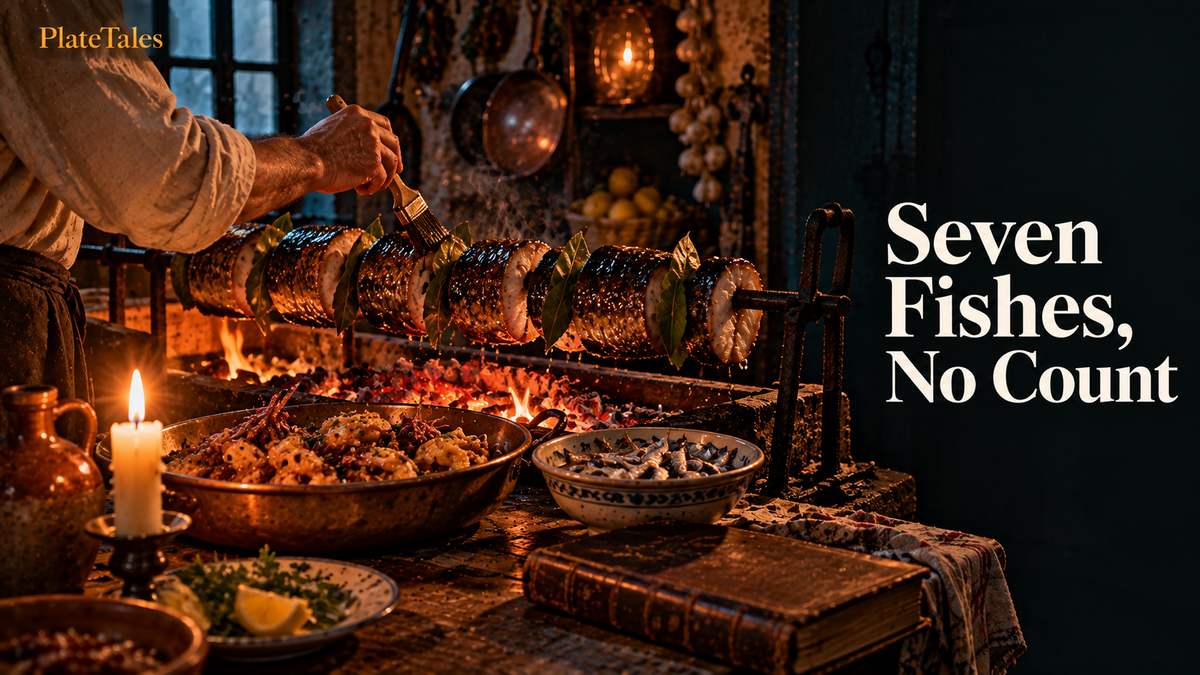
The meatless Christmas Eve supper is southern Italian and in print by 1847. The name and the fixed seven are Italian American, and nobody has found them in print before 1983.
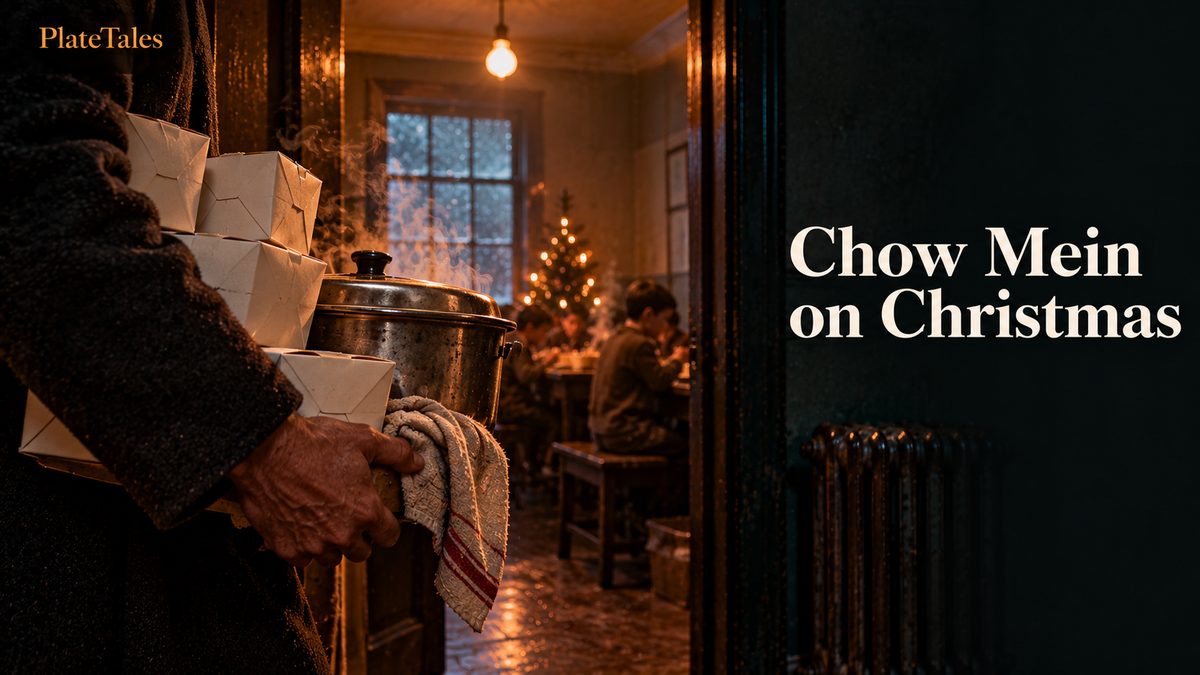
In 1899 a New York Jewish weekly scolded readers for eating in Chinese restaurants. By 1935 chow mein was arriving at a Newark children's home on Christmas Day.
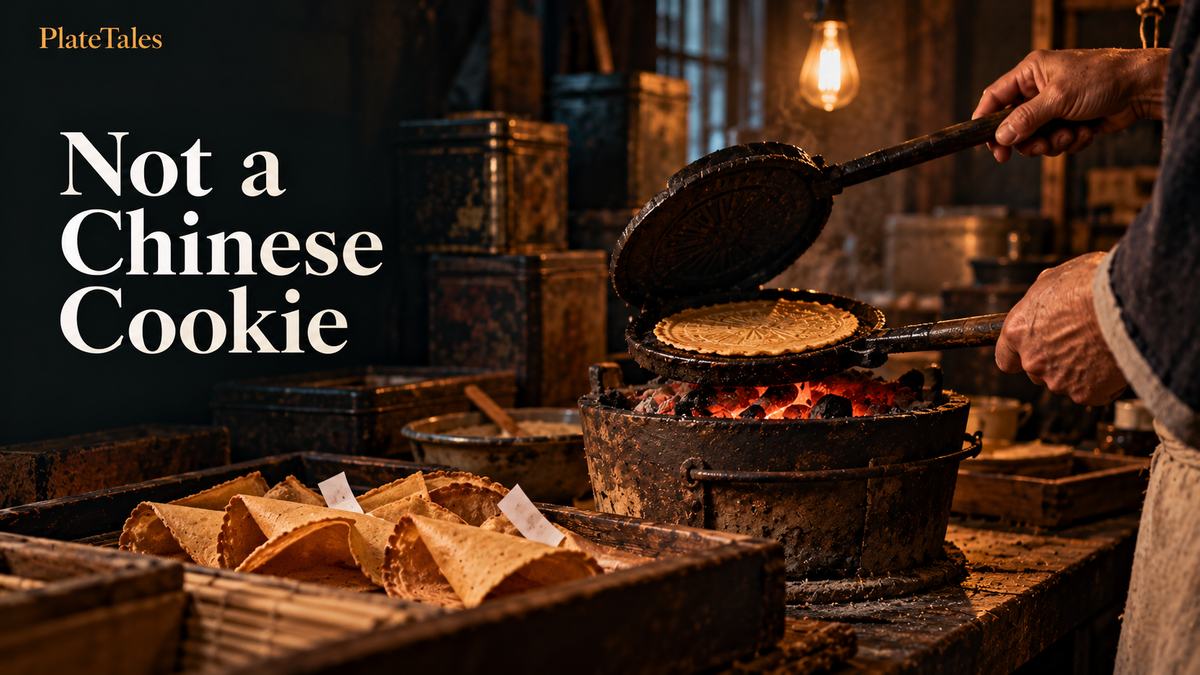
The fortune cookie began as a Japanese cracker with a paper slip in its fold. Japanese bakers made it American, and internment in 1942 handed it to Chinese restaurants.
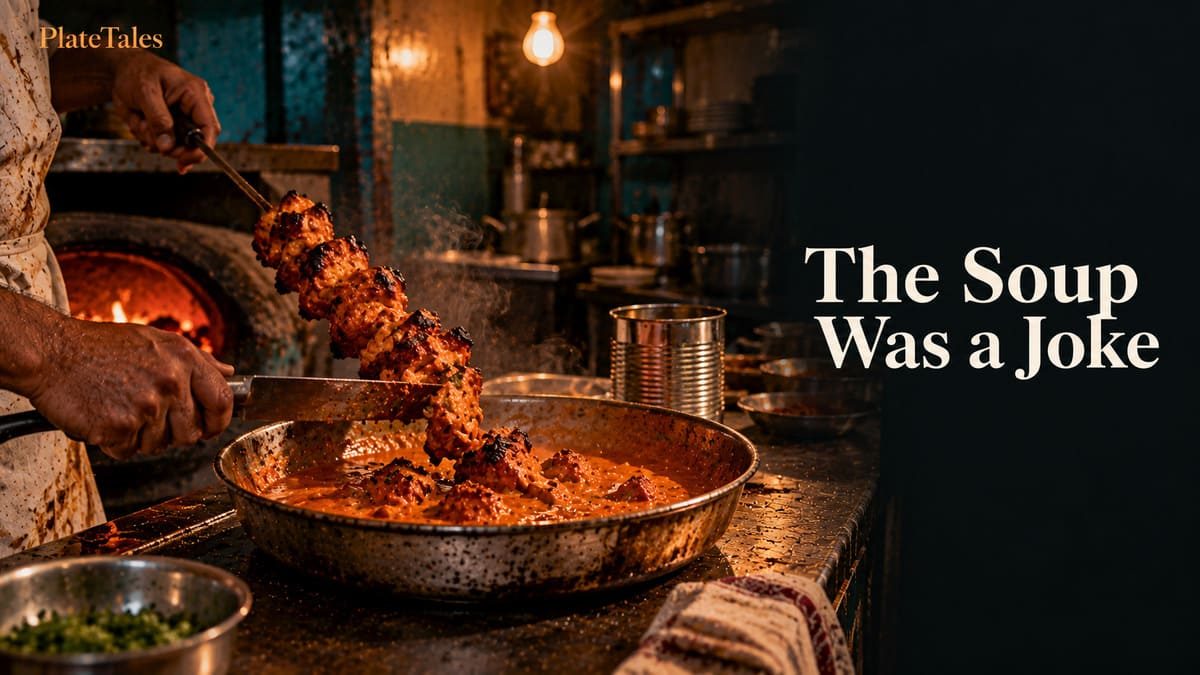
A Glasgow restaurateur said he invented chicken tikka masala for a customer who found his tikka dry. The tin of tomato soup in the story was a joke told to journalists.
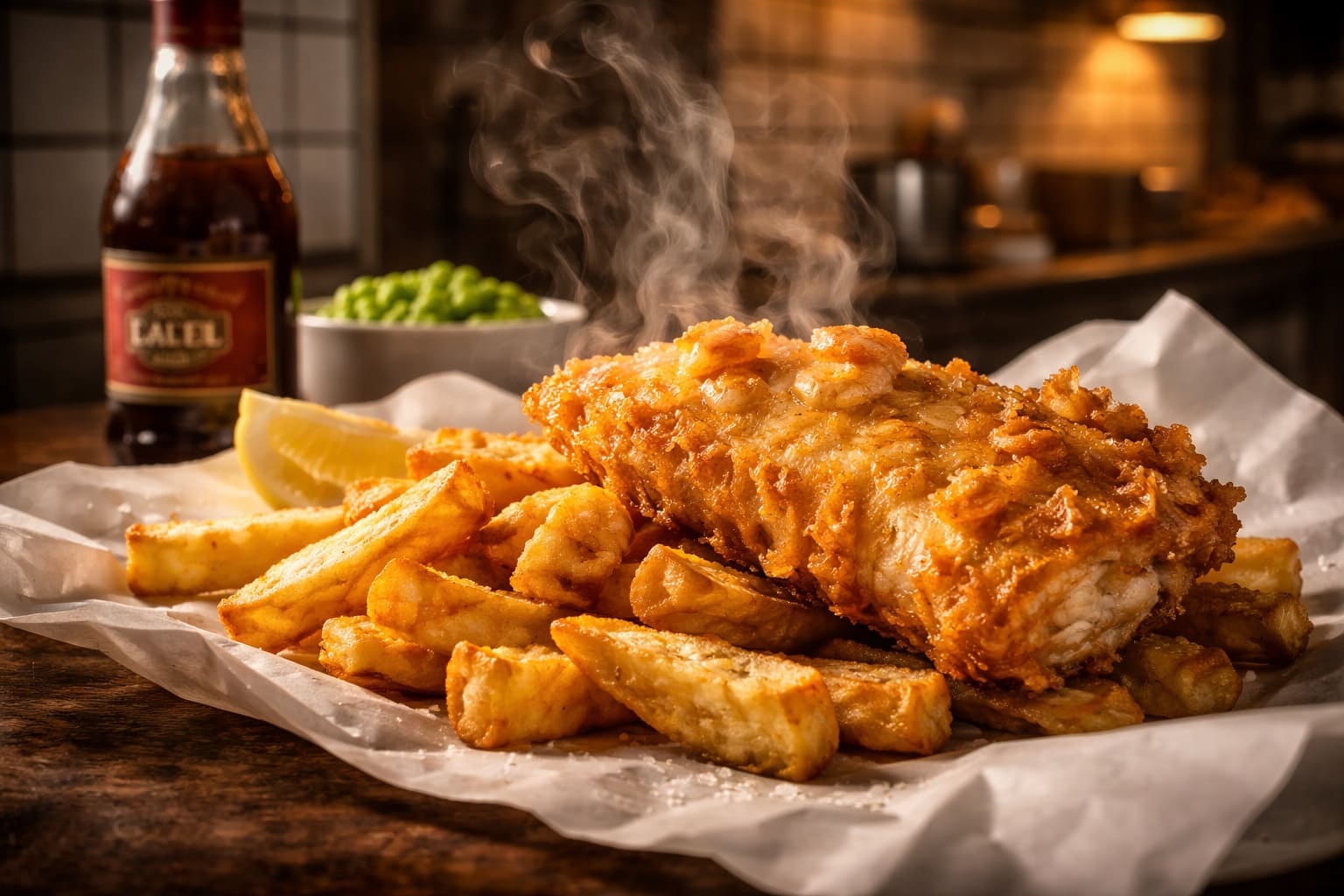
Fried fish tied to Sephardic Jewish cooks met the fried potato chip in 1860s Britain. Joseph Malin and John Lees both have claims, and neither is settled.
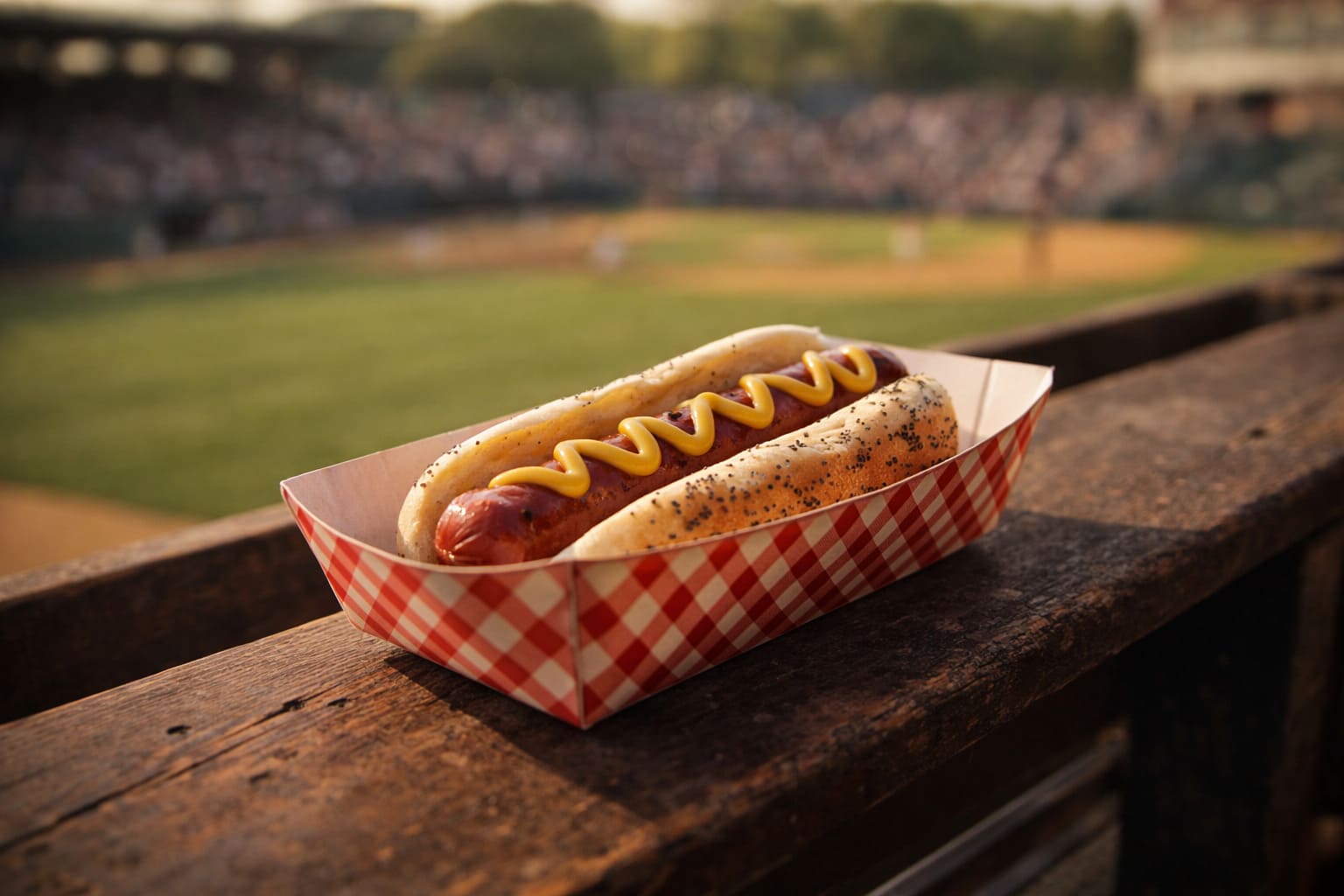
Frankfurt and Vienna both claim the sausage, and Coney Island, St. Louis and a ballpark all claim the bun. Here is what the record actually shows.
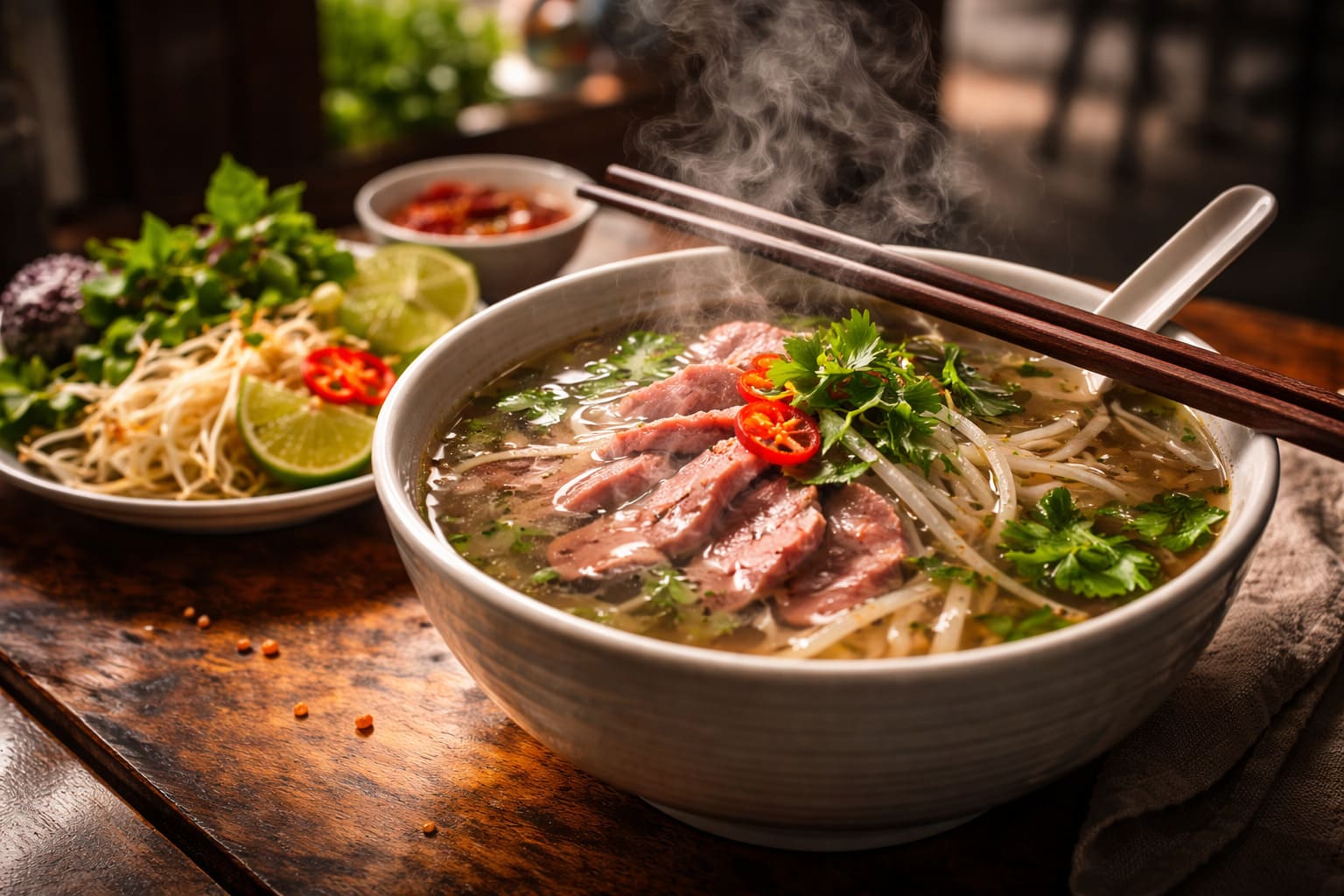
Pho is not ancient. It took shape in northern Vietnam in the early 1900s under French rule, and its beef, its name and its birthplace are still argued over.
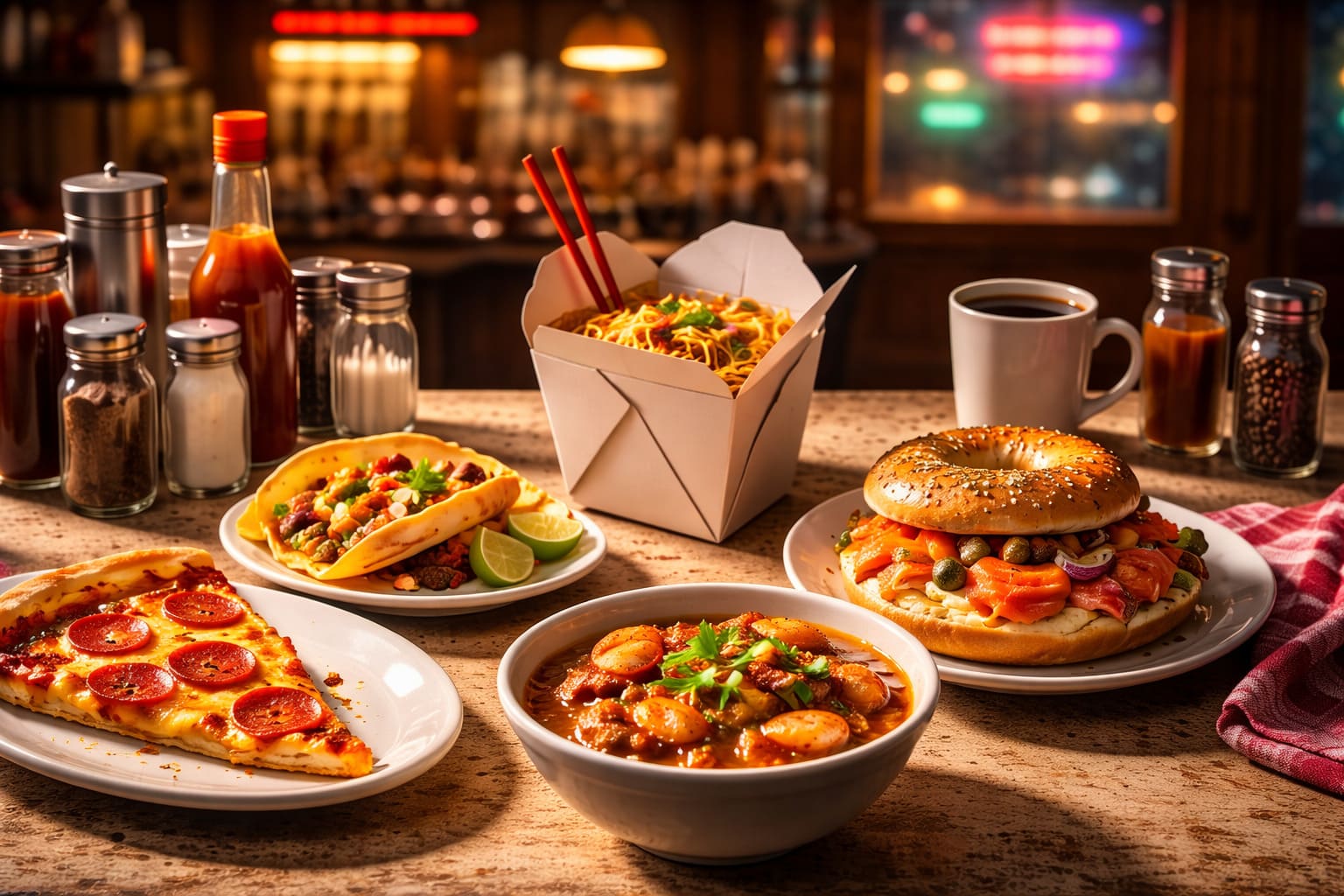
Pizza, chop suey, hamburgers and Tex-Mex all took their American shape from immigrant cooks. Here is what the records show about where each dish started and what changed.
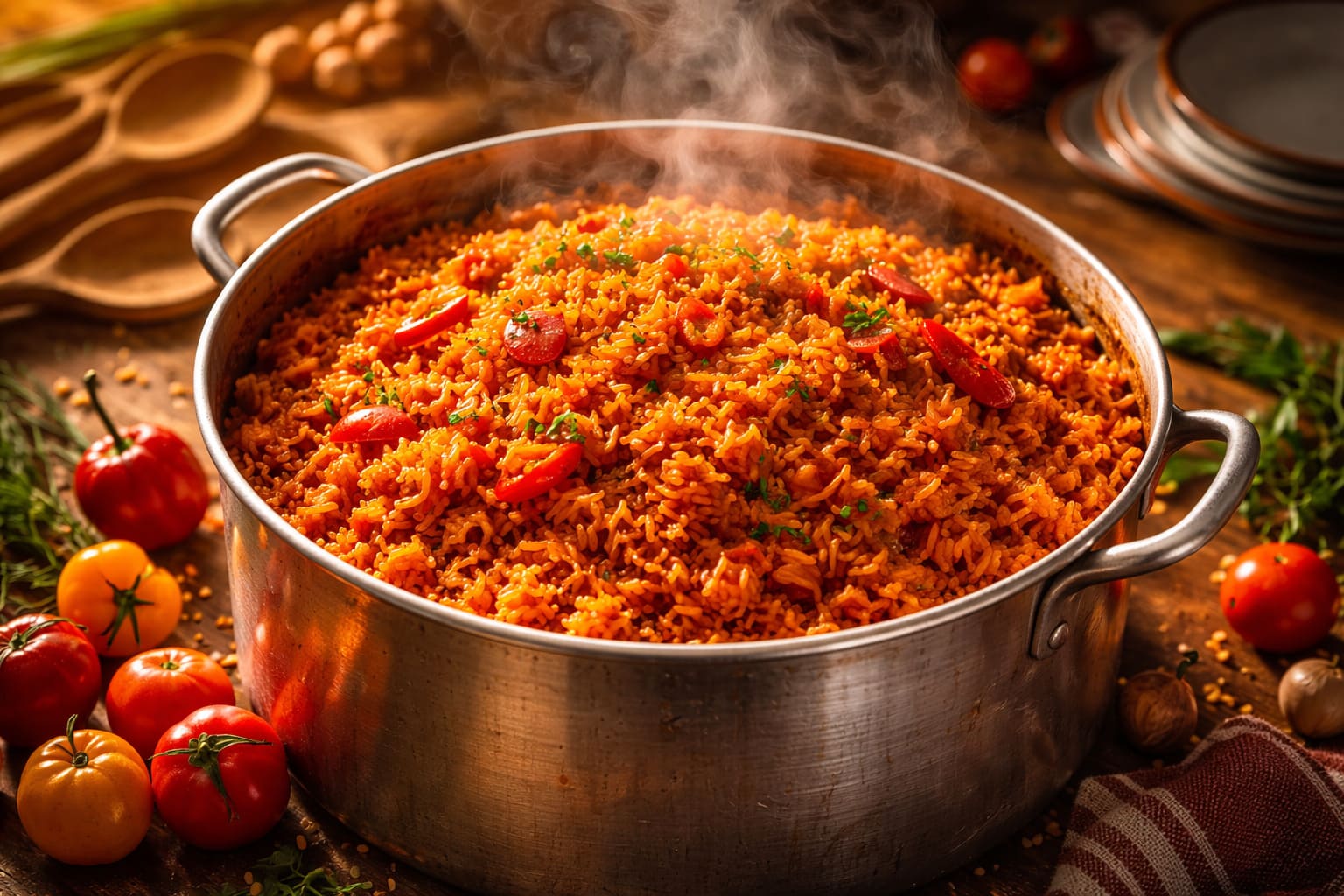
Jollof rice traces back to ceebu jen, a fish and broken rice dish from Saint-Louis, Senegal. Here is what the evidence shows, and how Nigeria and Ghana ended up fighting over it.
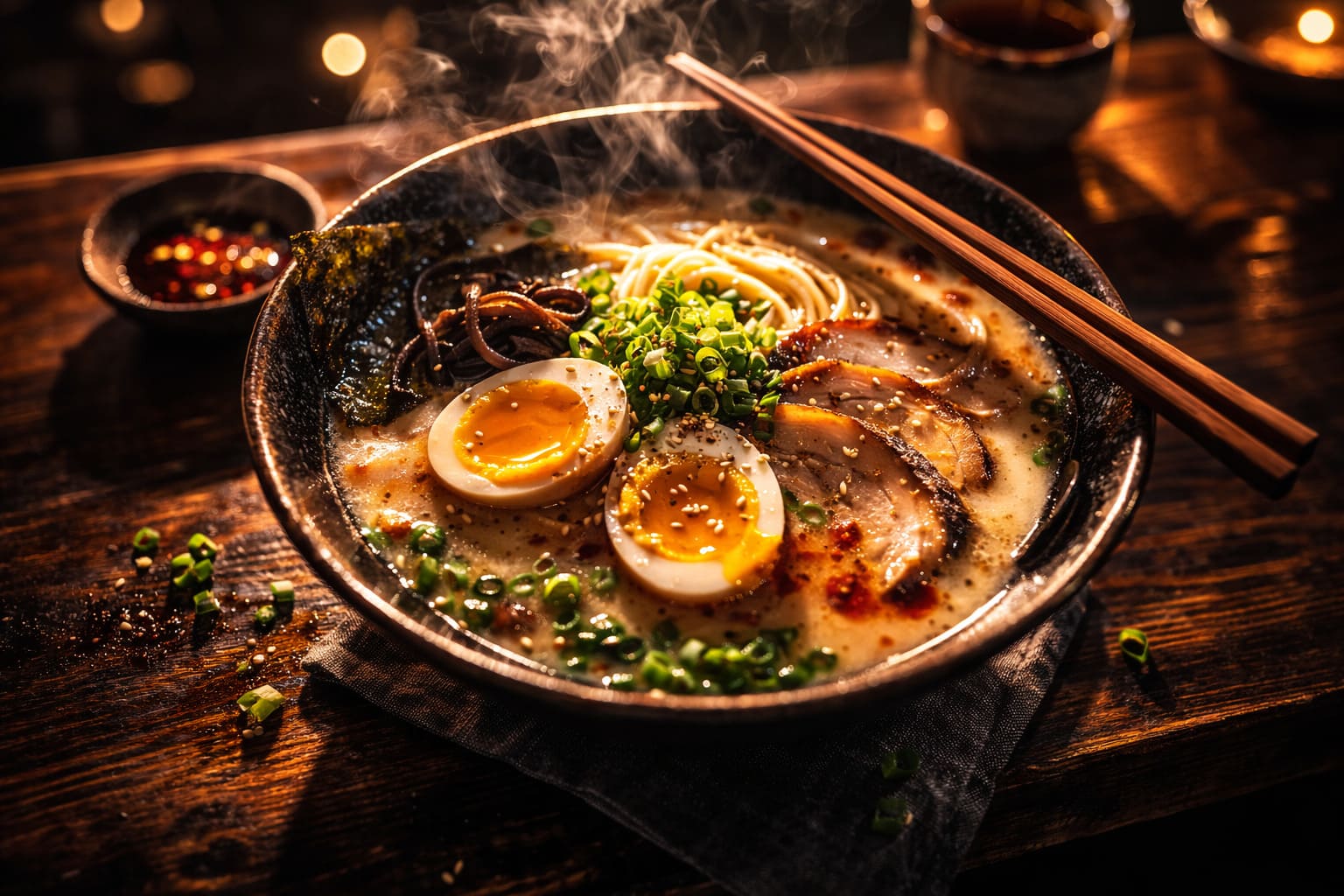
Ramen began as Chinese noodle soup in Japan's treaty ports, then took off in the hungry years after 1945. Here is what the records show, and what is only legend.
One food history story, delivered every week.